
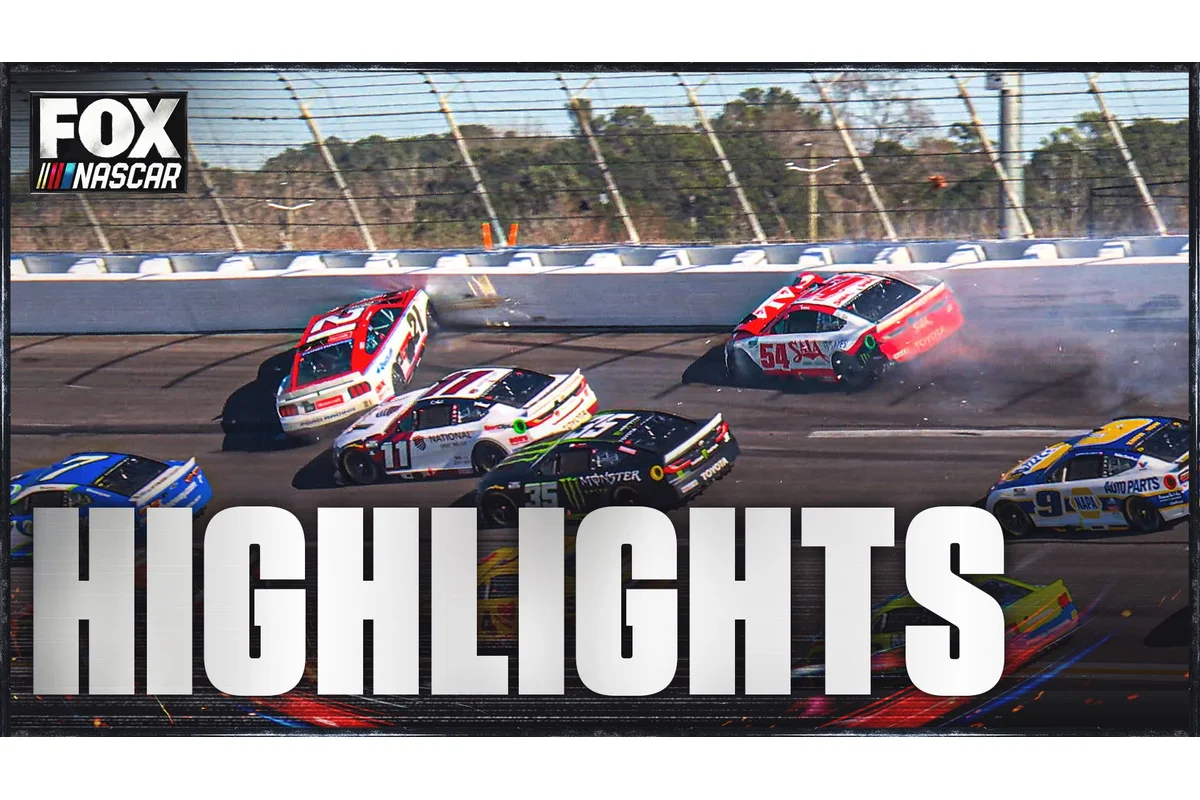
Carson Hocevar’s return to the NASCAR Xfinity Series at the Circuit of the Americas (COTA) last year ended prematurely due to a critical failure with his radio system. The Texas track, which hosts the third Cup Series event of the year, once again spotlighted Hocevar’s struggles in road racing after an early crash. This radio issue prevented Hocevar from relaying vital information to his team, leading to his exit from the race just three laps in.
Hocevar’s Racing Challenges and Aggressive Style Under Scrutiny
As NASCAR kicked off its 2026 season, the focus remained heavy on Hocevar, the 23-year-old driver known for his bold, often aggressive maneuvers. Despite a strong performance finishing fourth at the Autotrader 400 in Atlanta, Hocevar faced criticism for incidents involving well-known drivers Christopher Bell, Joey Logano, and Ryan Blaney, which drew rebuke from veteran Denny Hamlin. While Hocevar has expressed regret for some on-track mistakes, such as spinning Logano, public questions linger about whether he can find a better balance between risk-taking and control as the season continues.
A Difficult Return at the Focused Health 250
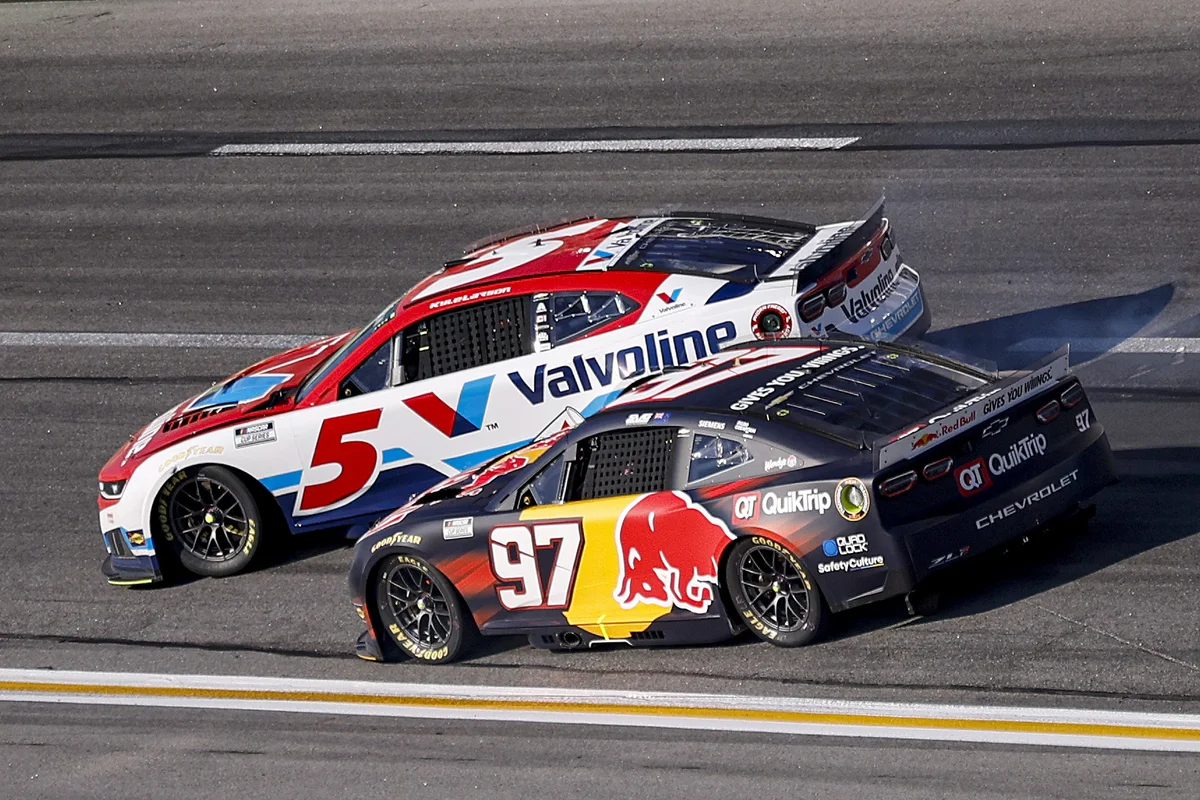
At last year’s Focused Health 250 held at COTA, Hocevar was not initially positioned to drive in the Xfinity Series race but stepped in for Garrett Smithley, who lacked confidence on the road course. Unfortunately, the substitution resulted in a difficult outing. Engaged in a battle with Jeb Burton, Hocevar’s car was clipped, sending him into the outside wall and ending his race abruptly. Compounding this problem was Hocevar’s inability to communicate with his crew because of a faulty radio system, which left him stranded and unable to receive assistance during a critical moment.
Impact of Radio Failure on Race Outcome
Reflecting on the incident, Hocevar shared his frustration with the radio malfunction and its consequences, stating,
“I didn’t have a radio for the whole first part, so part of it is probably on me.”
He expanded on the challenges, explaining,
“I couldn’t get [the engine] to recycle and refire, so I didn’t know if it knocked the radiator out. If it did, I didn’t know if I was leaking fluid or anything. I didn’t know how hard it really was, and it kind of wedged me under [the tire barrier]. I couldn’t hear anything, and [the team is] on a tight budget.”
He also revealed the difficulty in signaling his condition, commenting,
“If I was leaking or there was an issue, I wouldn’t have known. Plus too, I wouldn’t have been able to communicate that, ‘Hey, I’m going to need a push or a way to refire this,’ because I didn’t know if they could hear me. Once I was in the tire barrier, I felt like it was done.”
“I wanted it to be on the side of caution for them, and ultimately didn’t tear up a motor for the next time they have to run it.” ?Carson Hocevar, NASCAR Driver
Context Within the 23XI Racing Team’s Season
Hocevar’s challenges come amidst a strong start for 23XI Racing, the team co-owned by Michael Jordan. Tyler Reddick, another team driver, secured back-to-back victories at the Daytona 500 and Autotrader 400, underscoring the team’s early-season success. Meanwhile, Hocevar continues to work through growing pains, particularly as he gains experience on road courses like COTA, where his last year’s Xfinity outing was far from ideal.
Looking Ahead: Learning and Adjusting for Future Races
Given his aggressive approach and setbacks at COTA, Hocevar and the 23XI Racing team face critical decisions on how to improve communication and race management moving forward. His acknowledgment of past mistakes and technical failures suggests a willingness to adapt, which could be vital in avoiding similar issues. With multiple races left in the NASCAR Cup Series calendar, the team and driver are motivated to build on their recent successes while addressing key vulnerabilities like radio communication and course strategy.
Not the return to the #XfinitySeries that Carson Hocevar was looking for. pic.twitter.com/iFTa1o8mXA
— Xfinity Racing (@XfinityRacing) March 1, 2025
