
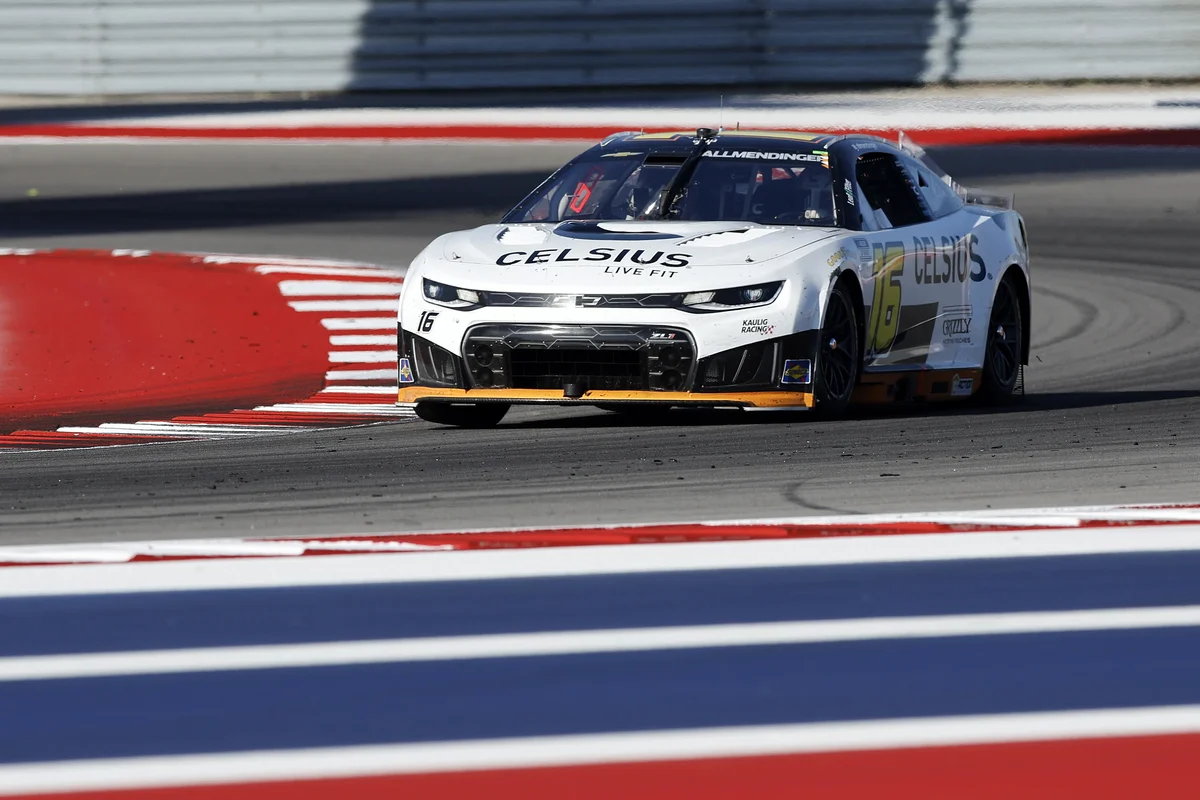
During the recent NASCAR Cup Series race at Circuit of The Americas in Austin, AJ Allmendinger faced a critical challenge when his cooling suit failed mid-race, exposing him to severe heat inside his No. 16 Chevrolet. This incident highlighted the ongoing struggle drivers face with cockpit temperatures in extreme conditions, raising questions about driver safety and equipment reliability amid intense competition.
Allmendinger, representing Kaulig Racing, entered the race as an underdog in a field featuring notable drivers like Shane van Gisbergen, Tyler Reddick, and Connor Zilisch. Despite the challenging course and formidable opponents, the malfunction of his cooling system, rather than track conditions, threatened his performance and wellbeing.
Veteran Drivers and Experts Respond to Cooling System Issues Amid Intense Heat
On that hot Austin afternoon, Allmendinger’s cooling suit stopped working, quickly turning his cockpit into a stifling environment. Though he managed to finish ninth, the physical toll was clear as he was taken to the infield care center immediately after the race for evaluation, where he was found alert but exhausted. This scenario rekindled a longstanding debate within NASCAR about the effectiveness and reliability of driver cooling suits.
Cooling suits operate by circulating chilled air or water through the fireproof garments worn by drivers, providing crucial temperature control. When functioning properly, drivers barely notice them. However, failures cause rapid heat buildup, stale air, and extreme discomfort inside the tightly enclosed cockpit.
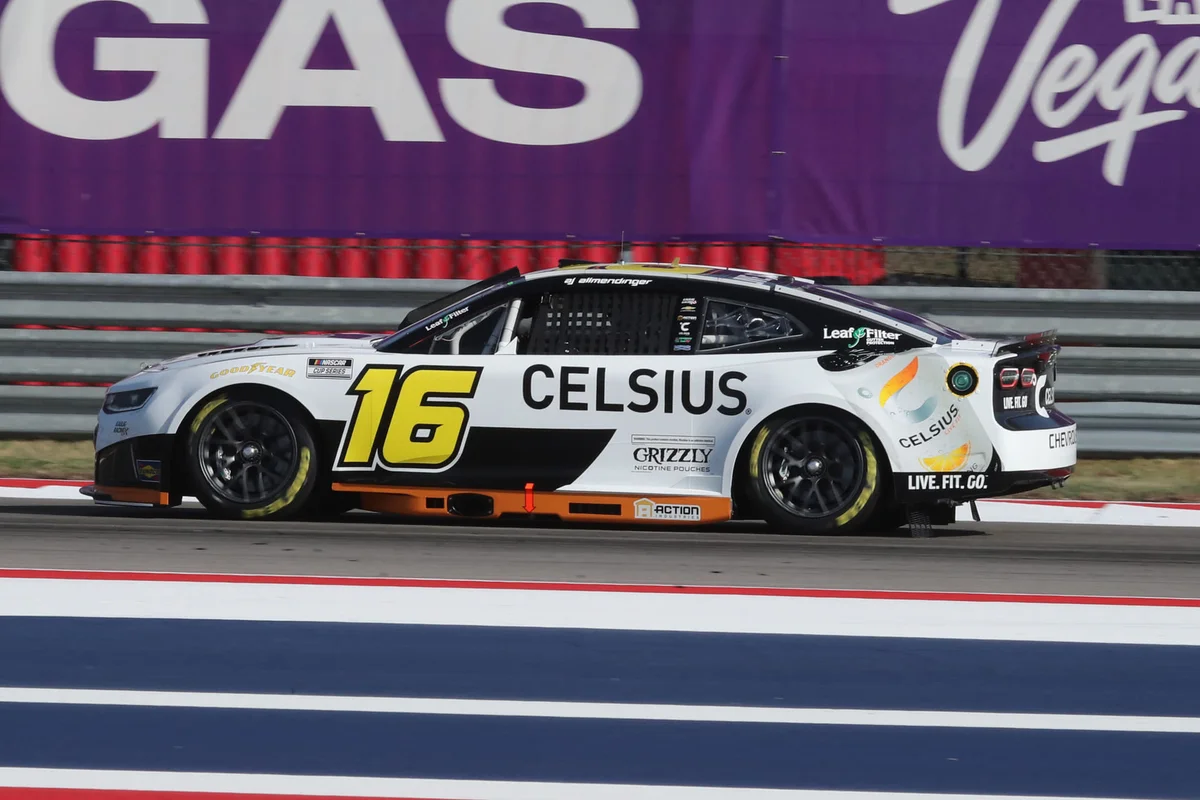
Former driver and analyst Parker Kligerman captured this frustrating reality with a grim joke on social media:
“The NASCAR driver cool suit, like a bad relationship. Never there for you when things get hot.”
— Parker Kligerman, Analyst
The problem was not unique to Allmendinger. Several drivers, including reigning champion Kyle Larson, also reported cooling difficulties during the race. Alex Bowman, Larson’s teammate at Hendrick Motorsports, exited his vehicle late due to heat-related illness and underwent medical checks afterward.
Experienced mechanic and engine builder Bozi Tatarevic attributed persistent cooling failures to aerodynamic design priorities. He explained that modern NASCAR vehicles emphasize aerodynamic efficiency to maximize speed, often resulting in fewer openings for fresh air circulation within the cockpit. Tatarevic remarked,
“A broken cool suit system just means the aero engineers won the battle for the weekend.”
— Bozi Tatarevic, Mechanic and Engine Builder
Mark Martin, a NASCAR Hall of Famer, reflected on his own experience with cooling suit failures in 1989, which convinced him to stop relying on such systems. Contrastingly, NASCAR on Fox analyst Mamba Smith noted that over 90% of drivers still use cooling suits, with Ricky Stenhouse Jr. noted as one of the few who chooses not to. Stenhouse himself emphasized this choice by retweeting commentary highlighting his independence from a cooling system.
This division illustrates the risk drivers take with cooling technology: while a functioning suit provides essential relief, a failure adds unwanted weight and compounds the discomfort in already oppressive conditions.
The Physical Toll of Heat and What It Means for NASCAR’s Future
Allmendinger’s grueling experience at COTA serves as a stark reminder of the sport’s physical demands, particularly on road courses requiring constant steering and heavy braking. Even race winner Tyler Reddick appeared visibly fatigued after climbing out of his car, showcasing how punishing heat can be on driver endurance.
Currently ranked eighth in the season standings after three races, Allmendinger’s visit to the care center underscores a larger issue: the harsh environments NASCAR drivers endure can be as punishing as the vehicles’ horsepower. As the series moves westward to other heat-prone venues, the persistent question remains whether the quest for aerodynamic advantage and downforce is being prioritized at the cost of driver comfort and safety.
the NASCAR driver cool suit, like a bad relationship. never there for you when things get hot
— Parker Kligerman (@pkligerman) March 1, 2026
A broken cool suit system just means that the aero engineers won the battle for the weekend because its usually a result of the system not getting enough air to the box from the outside. https://t.co/fu73LMrpA8
— Bozi Tatarevic (@BoziTatarevic) March 1, 2026
Always have been like that. I experienced failure twice in 1989. Never wore one again. https://t.co/0dvTG88WKK
— Mark Martin (@markmartin) March 2, 2026
I’m not sure how much of the field does. Or what races sometimes it’s a little of a game time decision. I’m quite sure it’s 90%+.@StenhouseJr is a different animal. He’s the only guy I know for sure doesn’t use one most of the time. https://t.co/PvaiUdzVIF
— Mamba Smith (@MambaSmith34) March 2, 2026
0 percent of the time. Mine never fails so no issues.
— Ricky Stenhouse Jr. (@StenhouseJr) March 2, 2026
