
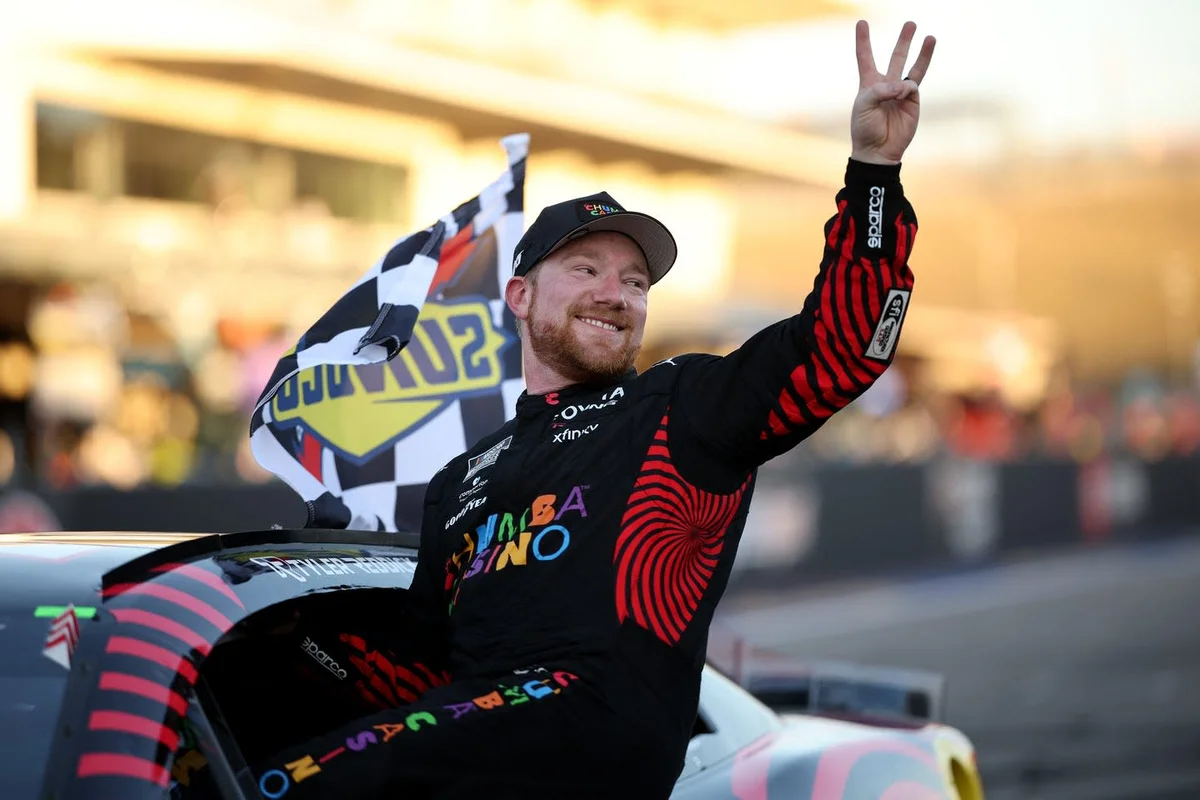
Brad Keselowski recently delivered a sharp critique of NASCAR‘s increasing number of road course races, describing them as the toughest venues to attract both fans and sponsors. Despite the growing inclusion of these events in the schedule, he argues that they represent a struggling segment for the sport’s business objectives. This stance comes shortly after the latest road course race, the Duramax Texas Grand Prix, held at Circuit of the Americas (COTA), where Keselowski finished 20th.
The former NASCAR Cup Series champion, known for his strong racing background yet mixed results on road courses, pointed out that while COTA reported its biggest NASCAR crowd this season, drawing attendees from 47 states and 10 countries, the overall appeal and commercial success remain limited for these tracks.
“I just put on my business owner hat and I don’t understand why the sport wants to run so many road courses as a business owner. It’s the hardest races to sell sponsors for it has the lowest attendance, the lowest ratings like that doesn’t make sense to me. We should be going places where the sponsors would be there, the fans would be there and TV gets the best ratings and road courses are historically the worst in all of those categories,” Brad Keselowski said via X/SpeedFreaks.
Declining NASCAR Viewership Reflects Challenges Ahead
In the last decade, NASCAR has experienced a notable decline in television viewership, with recent seasons averaging less than 2.5 million viewers compared to over 4 million in 2016. Experts often link this downturn to diminishing interest in the playoff format, which NASCAR has since reverted to the Chase system in hopes of regaining its core fan base.
Keselowski’s comments on road courses highlight ongoing concerns regarding the sport’s ability to balance fan engagement with commercial viability, especially as it experiments with expanding its road course slate.
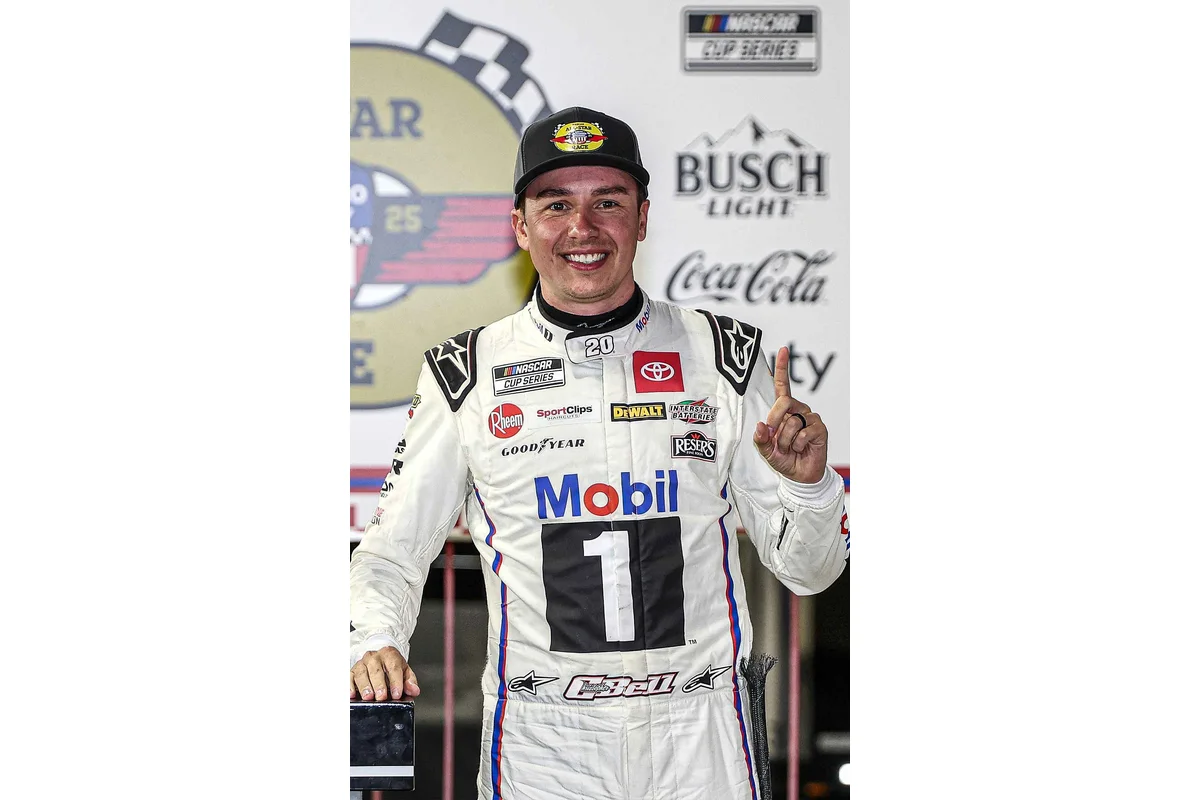
Keselowski Competes at COTA Despite Serious Injury Recovery
Brad Keselowski overcame significant physical challenges to compete at Circuit of the Americas after recovering from a severe right femur fracture sustained during the off-season. He sat out the Bowman Gray Stadium Clash to focus on rehabilitation, aiming to be ready for the Daytona 500 where he achieved a top-five finish. However, the intense demands of the COTA race tested both his fitness and determination.
Before the race, Keselowski acknowledged the risks involved when speaking with NASCAR reporter Jeff Gluck, reaffirming his commitment to racing despite his injury.
“I mean, I’ve trained and worked for this my whole life. And, you know, short of just not being able to drive, like, I feel like I can drive. I know it’s gonna hurt, but I can do it, so let’s go….that’s the risk of being a racecar driver at all times,” he concluded.
In preparation for the event, Keselowski designated Joey Hand as his backup driver. Ultimately, the Michigan native passed medical clearance and completed the race without incident, although his performance dropped him three positions to 12th place in the current standings.
Implications for NASCAR’s Future Strategy and Fan Engagement
Brad Keselowski’s straightforward remarks on road courses reflect a broader tension within NASCAR as it balances traditional racing styles with efforts to innovate and attract diverse audiences. His perspective as both a competitor and business stakeholder underscores the challenges faced in promoting events that may deliver lower sponsorship and viewer engagement despite growing fan bases at some venues.
As NASCAR continues to evaluate its race formats and locations amid a competitive sports landscape, the debate over road course inclusion will likely influence decisions aimed at stabilizing viewership and revenue streams. Keselowski’s candid insights may prompt further discussion among drivers, sponsors, and organizers about the optimal path for the sport’s growth and sustainability.
Do you agree with @keselowski on the amount of road courses on the #NASCAR schedule? pic.twitter.com/6o8NA7Hybk
— SpeedFreaks (@SpeedFreaks) March 2, 2026
