
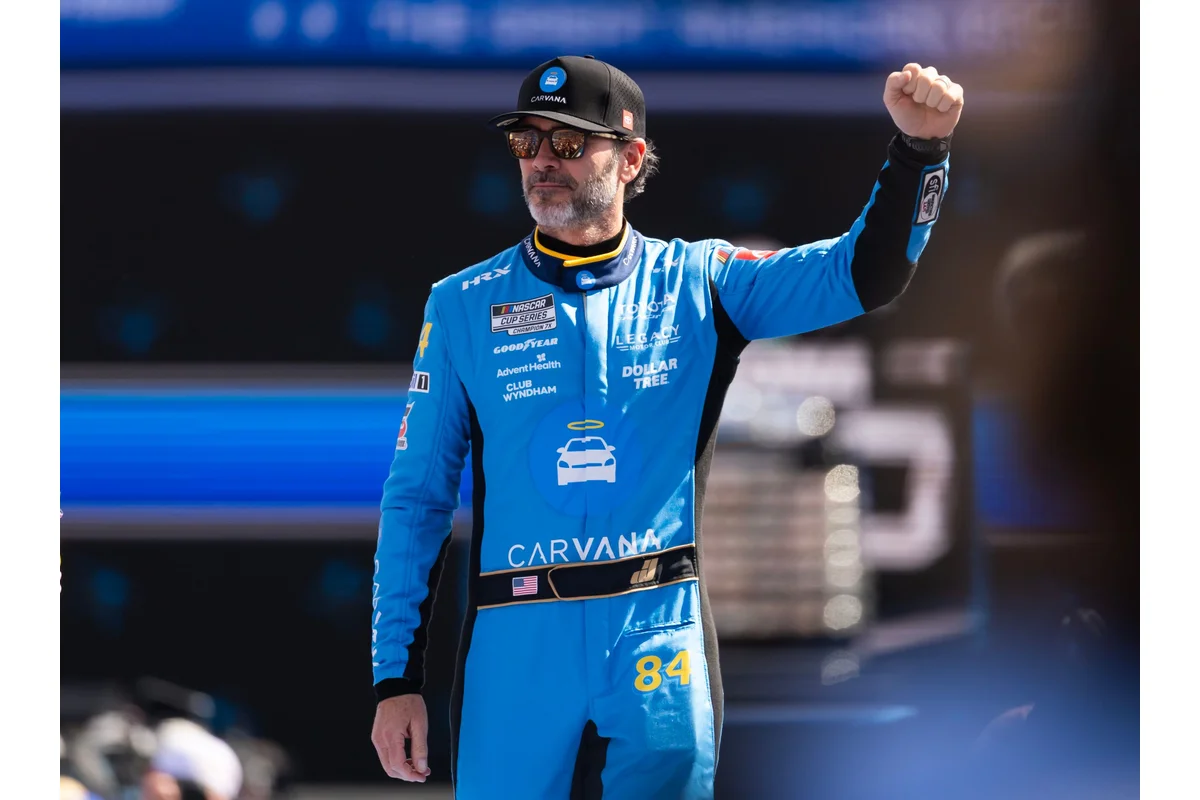
Tony Kanaan and Jimmie Johnson, once INDYCAR teammates at Chip Ganassi Racing, have transitioned from competing drivers to influential team executives within three years. Now in their early 50s, Kanaan leads Arrow McLaren in INDYCAR as team principal, while Johnson controls the NASCAR team Legacy Motor Club, formerly GMS Racing. Their journeys highlight the challenges and shifts athletes face moving from the driver’s seat to organizational leadership roles.
Decades Behind the Wheel Before Taking the Helm
Between Kanaan and Johnson, their combined experience spans over four decades at racing’s highest levels. Kanaan’s career included 22 full-time seasons, 17 INDYCAR victories, an Indianapolis 500 win, and one championship. Johnson, meanwhile, claimed seven NASCAR Cup titles and 83 race wins over 21 seasons. Early in Johnson’s INDYCAR stint, he shared a car with Kanaan, who handled all four oval races while Johnson drove the remaining events. These rich careers set the foundation for their move into team leadership.
Early Challenges and Fears in Leadership Roles
For both men, the decision to become team owners involved considerable uncertainty. Johnson admitted that despite his competitive success, he worried about transitioning into business, fearing failure outside the race car. Now 12 months into ownership, he is gaining experience with the support of experienced executives, including Legacy Motor Club CEO Cal Wells. Johnson reflected,
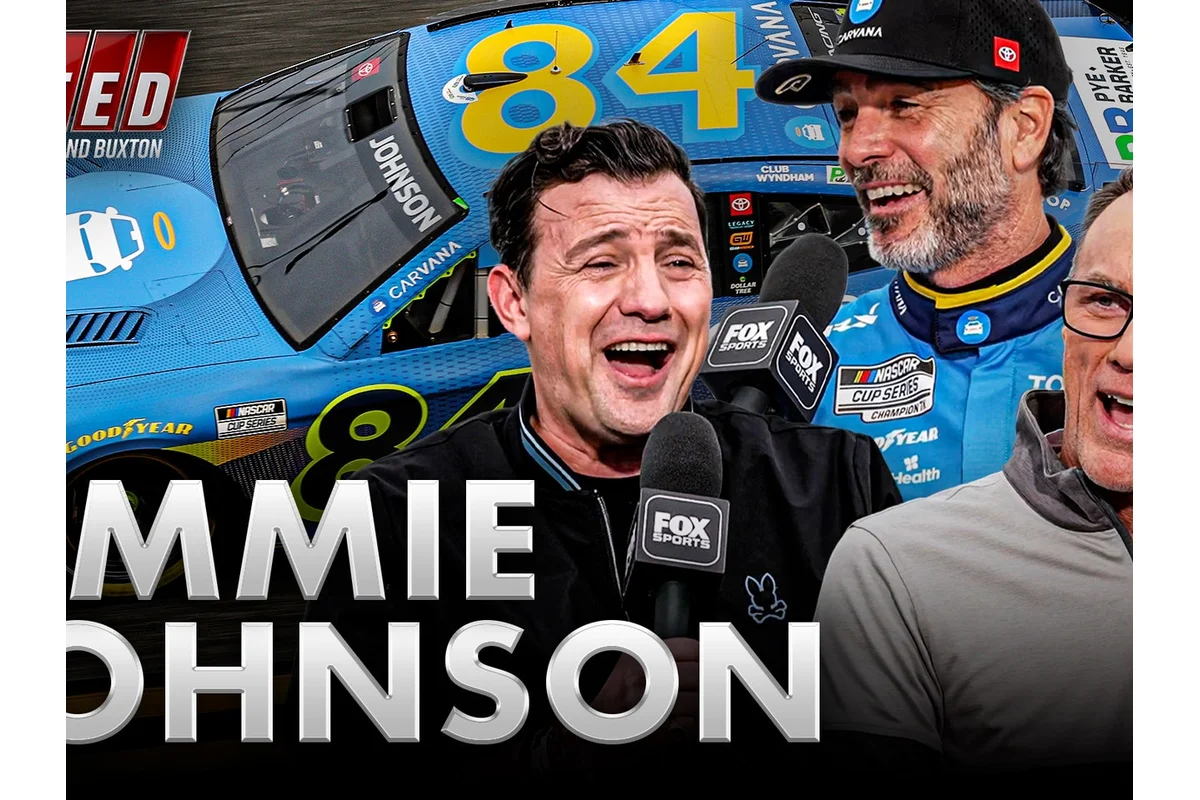
“I’ve always been afraid of exiting the race car and thinking I could be a businessman — and then just crashing and burning. So that’s just been a fear I’ve had all along, and I just want to make sure I get it right.”
Comparing the Pressures of Driving and Leadership
Kanaan and Johnson agree that while racing requires immense personal focus and physical performance, managing a team introduces an entirely different type of responsibility. Kanaan explained that as a driver, “I was responsible for myself” but now carries the burden of hundreds of employees and their families reliant on his decisions. Mistakes on the track mean a damaged car to be fixed, but missteps in leadership can threaten an entire team’s future. The duo highlighted this fundamental change:
“You crash the car, they will fix it, you go to the next race. Here, you make a bad decision, you take the team down,”
Kanaan said.
Experiencing New Kinds of Pressure and Responsibility
The nature of pressure has evolved for both men. Kanaan described racing pressure as intense and immediate, with judgment based sharply on weekend performances, especially during critical race hours. Leadership pressure, by contrast, spreads over long workdays focused on supporting the team behind the scenes rather than personal performance. Johnson compared his new role to being at the base of a pyramid, providing resources for the small central group of drivers and crew:
“I don’t know if I’ve got it fully thought in my head, but as the driver, you’re the tip of the spear…where we are now is down here at the base of it, and all those layers and departments, you’re looking for harmony, you’re trying to give them tools they need, the resources they need.” – Jimmie Johnson, Owner
Both acknowledged that the number of departments and issues to manage has multiplied, with Johnson joking there are now “more excuses” than drivers typically faced.
Balancing Multiple Team Members and Departments
Kanaan emphasized the multifaceted demands of his leadership, dealing with drivers Nolan Siegel and Christian Lundgaard, as well as the many operational aspects within Arrow McLaren. Johnson similarly described managing his team as akin to leading “special forces,” needing to address dozens of challenges simultaneously. Despite the chaos, they each draw on their racing experience and competitive mentality to navigate the complex dynamics involved.
Surprise at Their New Roles, But Confidence in Their Success
Reflecting on their past conversations, neither Johnson nor Kanaan foresaw themselves becoming team executives. Johnson recalled,
“We were conspiring how we can keep holding a steering wheel. We weren’t conspiring how we were going to run things.”
Kanaan echoed this uncertainty, explaining they wondered how to prolong their driving careers but not necessarily consider ownership roles. Yet both credit their intense focus and obsession with being the best as qualities that will enable them to succeed beyond driving.
Managing People and Relationships as a Key to Leadership
Johnson stressed that succeeding as a team owner relies heavily on managing personalities and creating relationships.
“I think both of us in our driving careers, people wanted to work on our teams. They wanted to be around us,”
he noted. Meanwhile, Kanaan reflected on the importance of trust and communication, including having honest, sometimes difficult conversations with longtime associates. He said,
“I just had 40 minutes ago. I sat down with him, I’m like, What are we doing? And we had a tough one. He’s like, I’m on it. I’ve been up since 3 in the morning. I’ll take care of it.” – Tony Kanaan, Team Principal
Kanaan emphasized the value of having committed team members willing to support the organization beyond raw talent, explaining that this culture fosters loyalty and success.
Contrasting Leadership Styles and Organizational Cultures
The two executives compared their previous teams’ leadership philosophies. Johnson highlighted the family atmosphere cultivated by Rick Hendrick’s organization, where he spent much of his driving career. Kanaan contrasted that with the Chip Ganassi Racing approach, which caters well to long-term personnel but uses psychology differently. He said Ganassi has many staff who have stayed for decades, though he personally would prefer a different leadership style, one focused on transparency and separation between work and personal interactions.
Hard Decisions and Tough Conversations Are Part of the Job
Both men acknowledged that leading a race team involves difficult choices, including personnel changes and dealing with clashing personalities. Kanaan remarked on the necessity of separating personal feelings from professional responsibilities to maintain a healthy team environment. Johnson observed the importance of being present and responsive to the subtle, unspoken dynamics within the group. He described his experience of gaining full control of Legacy Motor Club as a deep learning process that demands constant engagement:
“When I was partners with Maury [Gallagher], Maury had control…It’s been a big part of my journey is to get in, be there, live it, so that you can really feel the energy in those unspoken words.” – Jimmie Johnson, Owner
Building Stronger Teams Through Collaboration and Conflict Resolution
Kanaan revealed how he approaches conflict resolution by bringing people together to discuss issues openly. He explained that this method helps prevent blame and allows for decisive leadership:
“Someone would come to and say, Tony, Jimmy [did this]. And I go, Hold on a sec. Jimmy come here, you know what he just said? … We’re going to sort it out today.” – Tony Kanaan, Team Principal
Johnson likened this process to parenting, noting that these experiences have made him a better father as well. They emphasize the importance of maintaining respectful team cultures, where open communication and fun coexist with hard work and high expectations.
Significance and Future Outlook of Their Leadership Roles
Both Jimmie Johnson and Tony Kanaan serve as exemplary figures transitioning from celebrated racers to team leaders in highly competitive motorsports environments. Their ability to adapt to the demanding and often unpredictable nature of ownership and management roles will influence the future success of Legacy Motor Club and Arrow McLaren. As they continue to define their leadership styles, their experiences highlight the broader challenges faced by athletes navigating life after active competition.
Legacy Motor Club’s evolution under Johnson’s control and Arrow McLaren’s growth with Kanaan at the helm will be closely watched. Their leadership approaches—balancing relationships, managing pressure, and embracing transparency—may offer valuable lessons for other racing organizations undergoing transitions. Ultimately, their journey underscores the intricate balance of business acumen and competitive spirit necessary to thrive beyond the racetrack.
