
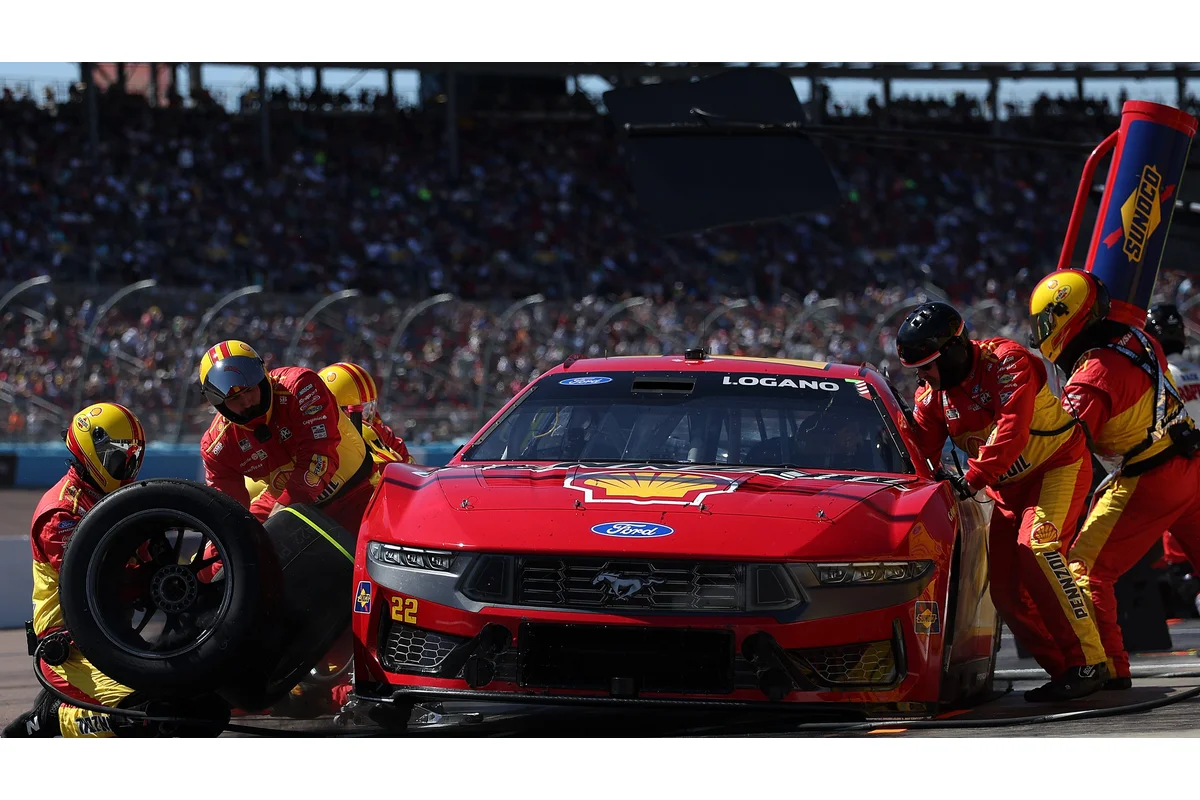
Denny Hamlin recently expressed strong support for NASCAR’s new championship format, emphasizing its alignment with traditional, “old school” racing values. Speaking on his Actions Detrimental podcast, Hamlin highlighted how this revamped system rewards consistent performance over short-term tactics, a shift he believes makes the NASCAR new championship format more genuine and competitive.
He pointed out that the current standings reflect steadiness among drivers, without the complexity of a separate playoff points system. Hamlin remarked,
“The point standings are not different this year than they were last year other than for the guys that win,”
underlining that, unlike before,
“All we’re looking at now is regular season.”
Consistency Versus Gimmicks: The Appeal of the New Points System
Hamlin explained that the fresh format allows point totals to fluctuate significantly as the season progresses, especially depending on track characteristics. Superspeedways and road courses tend to distribute stage points wide across the field, making it hard for individual drivers to dominate early. For example, some competitors like Ricky Stenhouse Jr. strategically sacrificed stage points to focus on overall race victories.
In contrast, venues such as Phoenix and Las Vegas emphasize steady performance, which benefits leading contenders aiming to build separation in the standings. Hamlin observed,
“You’re going to see people winning stages and winning races, and so there’s going to be big jumps in points.”
This dynamic keeps the championship battle active over a sustained period rather than resetting frequently as playoffs did.
Hamlin’s Team Performance and Broader Season Strategy
Hamlin described his team’s recent outing as a “status quo good day,” achieving solid stage points without necessarily chasing dramatic results. This steady accumulation of points aligns with the demands of a protracted championship fight, where consistency across many races matters most.
This approach signals a shift from short bursts of playoff intensity to a season-long points campaign, fostering competition that remains open and balanced over time.
Championship Outlook and Possible Contenders
Regarding potential title winners, Hamlin expressed confidence that the current leaders hold an advantage. He stated,
“I definitely feel as though the champion will come from there just from the head start they have,”
referencing drivers at the top of the standings. However, he did acknowledge that drivers farther back may still mount a challenge, noting improvements in driver performance since NASCAR last used a similar 10-race championship model.
Highlighting this possibility, Hamlin said,
“Maybe you can win it from fourth or fifth, I don’t know,”
suggesting there remains some uncertainty despite early season leads.
The Return to Traditional Racing Elements
Hamlin’s enthusiasm extended beyond the points system itself. He praised enhancements such as increased horsepower, more realistic tire wear, and strategic decision-making, factors that contribute to a more authentic racing experience. These elements foster a championship journey that unfolds across many events rather than a compressed playoff sprint, which he noted
“feels familiar in the best possible way.”
He emphasized progress in NASCAR’s direction by stating, “We’re making progress,” a hopeful note after years of debate over the sport’s competitive format.

