
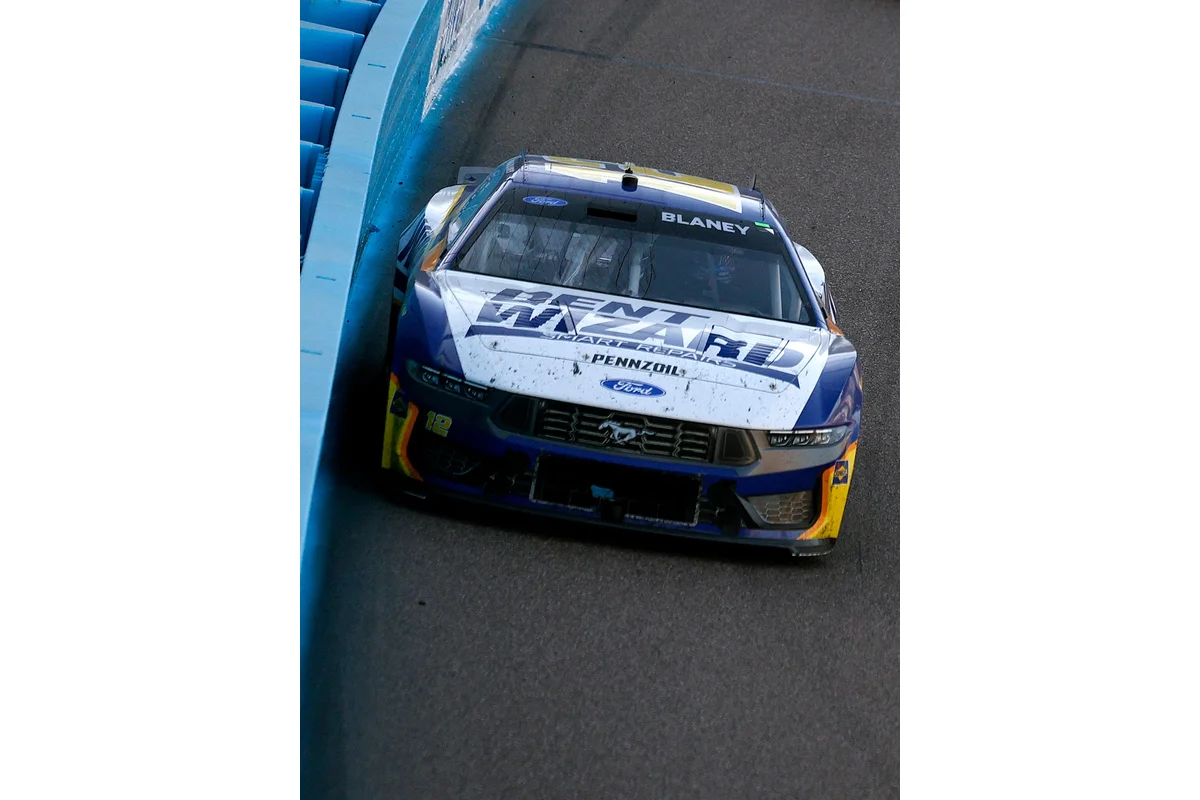
In recent NASCAR events, an insider has uncovered a daring tire pressure gamble taken by teams despite explicit cautions against it. This risky adjustment occurred during races held at Phoenix Raceway in Avondale, Arizona, raising questions about safety protocols and competitive tactics. The practice revolves around lowering tire pressures beyond recommended levels to gain speed advantages.
Details of the Tire Pressure Tactic and Its Risks
The strategy involves deliberately reducing tire pressure to improve grip and lap times, a move that can yield immediate performance benefits. However, this approach carries significant dangers, including potential tire failures and handling issues that could jeopardize driver safety. Top drivers such as Kyle Larson of Hendrick Motorsports and Ryan Blaney from Team Penske have been observed navigating these fine margins during high-stakes competitions like the NASCAR Cup Series Championship.
Context Within the NASCAR Community and Possible Consequences
Despite warnings from NASCAR officials and tire manufacturers against exceeding specified pressure limits, some teams are willing to take the risk to secure better results. This controversy has stirred debate among drivers, crews, and officials about balancing competitive edge with safety. The decisions made at tracks like Phoenix Raceway highlight ongoing tension between innovation and regulation within the sport.
Implications for Future NASCAR Events
The exposure of this tire pressure gamble signals potential repercussions for future races. NASCAR may strengthen monitoring and enforcement of tire regulations to prevent unsafe tactics. Meanwhile, teams will continue weighing the benefits of pushing limits against the risks involved, making tire management a critical focus in upcoming Series competitions.
“NASCAR officials have clearly outlined the maximum and minimum pressure limits to ensure safety. Any deviation poses unnecessary hazards both for the driver and competitors on the track.” – Kevin Abele, Photojournalist
