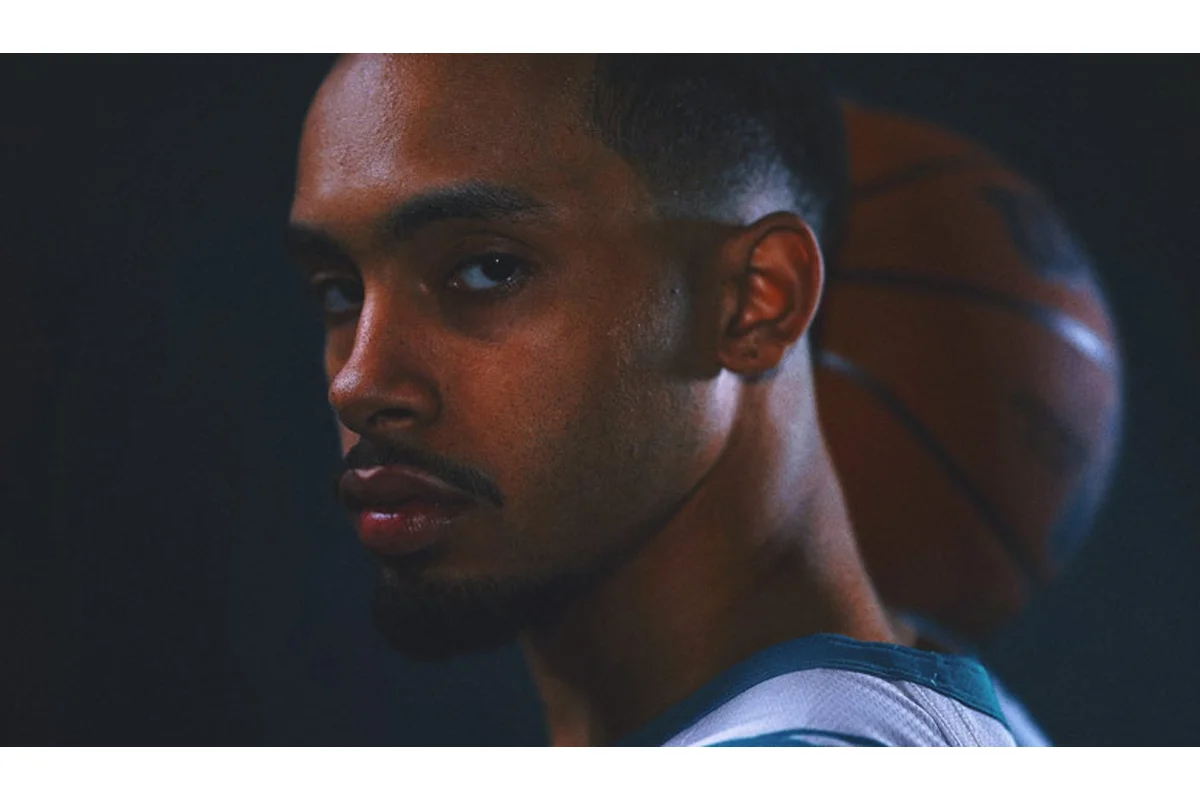
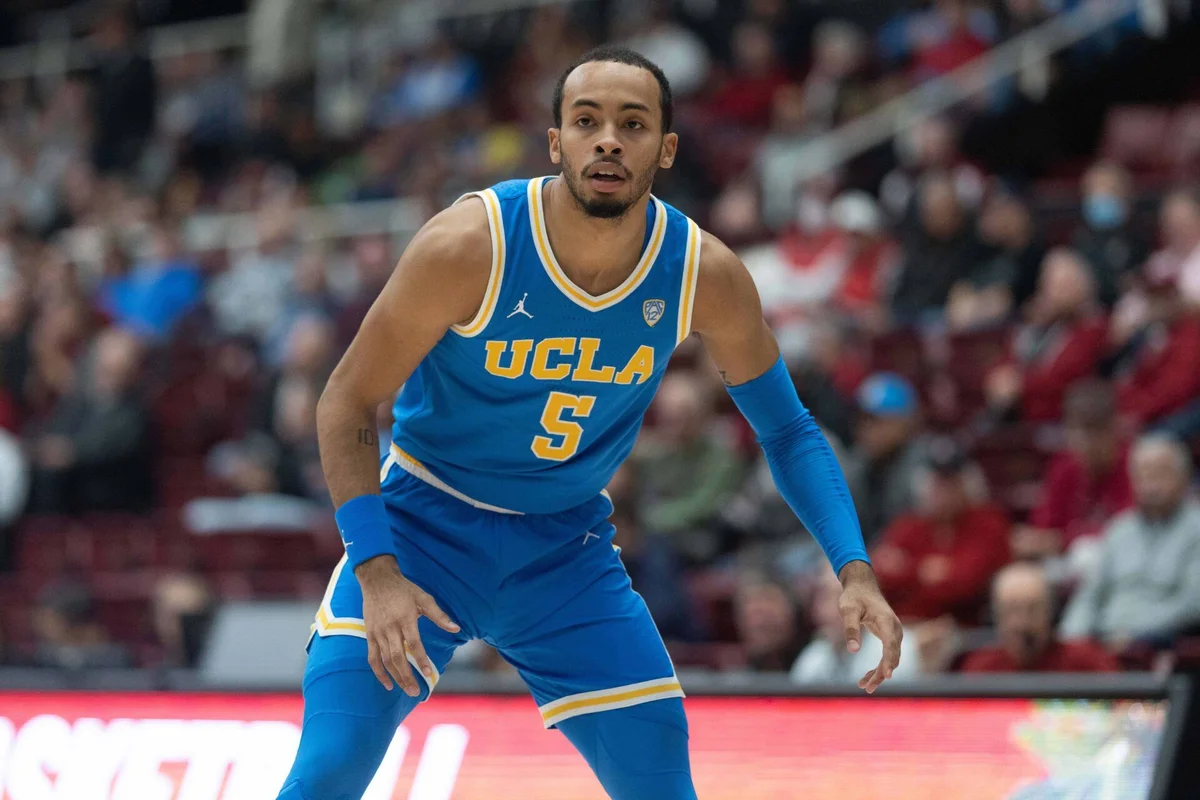
Amari Bailey is attempting a rare move: returning to college basketball after having played professional NBAgames. His former college coach at UCLA, Mick Cronin, has expressed his support for Bailey’s bid to regain college eligibility and play another season for the Bruins. Bailey’s attempt to return follows an initial season at UCLA, a subsequent second-round NBA draft selection, and a rookie year playing for the Charlotte Hornets.
Background of Bailey’s Career Path and Current Eligibility Pursuit
Bailey was drafted in the second round of the 2023 NBA draft after completing one year at UCLA and spent part of his rookie season playing 10 games for the Charlotte Hornets on a two-way contract. His professional tenure also included a two-year stint in the G League, which ended when he was released over the summer. Now, Bailey has hired legal representation, including an agent and a lawyer, to assist in navigating the NCAA’s eligibility rules as he pushes to return to the college game for what would have been his senior year had he remained an amateur.
Coach Mick Cronin’s Perspective on Bailey’s Potential College Comeback
Mick Cronin shared his thoughts with the California Post, stating,
“We spoke, I told him I don’t blame him. Why not take a shot?”
Cronin emphasized his affection for Bailey and other players, praising Bailey’s public comments as thoughtful and mature. He acknowledged the unique nature of Bailey’s situation but remained optimistic, saying,
Image of: Amari Bailey
“He’s still young, he’s still within his [eligibility] window. I don’t think he’ll be the last guy to take a shot at coming back to college.”
Bailey’s Impact During His Freshman Year at UCLA
During his single season at UCLA, Bailey developed into a key player by the end of the year. He earned a reputation as a strong perimeter defender and made clutch plays, including a late three-pointer against Gonzaga in the Sweet 16 of the NCAA tournament. Although the Bruins ultimately lost that game, Bailey’s performance highlighted his potential as a major contributor for UCLA’s program. Recently, he was honored alongside other basketball alumni during a halftime recognition at a Bruins game, raising questions about a possible return to the team.
Challenges and NCAA’s Stance on Eligibility for Former Professionals
Bailey’s return is complicated by NCAA policies and precedents. The NCAA president, Charlie Baker, recently affirmed that players who have signed NBA contracts generally will not regain college eligibility. This position contrasts with some court rulings and cases that have allowed certain players to compete after professional experiences. For example, Alabama’s Charles Bediako secured court approval to play for the Crimson Tide despite time in the G League, and Baylor’s James Nnaji was permitted to return after playing professionally overseas prior to being drafted.
Complexities and Controversies Surrounding Eligibility Rules
The NCAA’s eligibility rules display inconsistencies, especially between players who turned professional in the U.S. versus those from overseas. Mick Cronin expressed frustration with these disparities, questioning the logic behind allowing certain older international players to regain eligibility while restricting others. He stated,
“The Russian guy’s playing pro and is now 23 years old and he goes to Oklahoma for a semester and he’s cleared? So to me, if you’re not in college by the time you’re 20½, you don’t get to play because what you’re going to find out is, there’s 500 20-and-up European guys ready to come this spring and take scholarships from Americans. Trust me.”
His remarks highlight concerns about the potential impact on American athletes and the fairness of eligibility rules.
Implications of Bailey’s Effort and Future Outlook
Amari Bailey’s attempt to rejoin collegiate basketball is an unprecedented move that could set a precedent impacting NCAA policies. If successful, it may open doors for other players with brief professional stints to return to college competition, challenging existing eligibility frameworks. Alternatively, if denied, Bailey’s case exemplifies the NCAA’s strict stance on amateurism and professional experience. Mick Cronin’s support suggests that some coaches are willing to advocate for players seeking another chance at college basketball, emphasizing personal growth and competitive opportunity.