
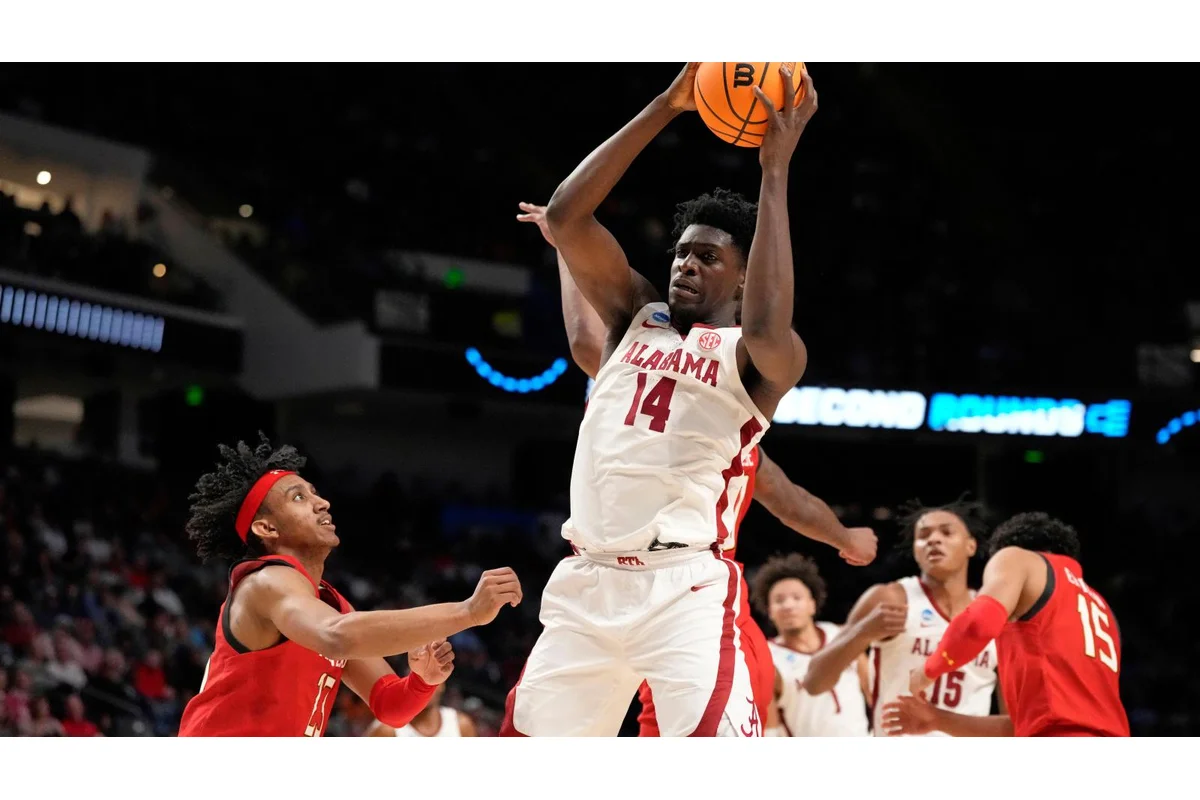
A Tuscaloosa circuit court judge on Monday refused to grant Charles Bediako’s motion for a preliminary injunction, effectively ending his attempt to regain NCAA eligibility to play college basketball at Alabama. The ruling came as a temporary restraining order that allowed Bediako to participate in the Tide’s lineup was set to expire the same day. Bediako previously played two seasons with Alabama between 2021 and 2023 and appeared in five games this season before the legal challenge.
Bediako, who entered the 2023 NBA draft but went undrafted, also spent time in the G League and signed a two-way contract though he never played an official NBA game. During his brief time with the Tide this season, he averaged 21.6 minutes over five contests, contributing to a 3-2 stretch for the team.
Implications for Eligibility of Former NBA and G League Players
This ruling marks a significant moment in how eligibility cases involving former NBA and G League players are handled under NCAA rules. Historically, players who remain in the NBA draft process are considered to have forfeited their amateur status, making them ineligible for college basketball. The Bediako case directly challenged this longstanding line, but the court sided with the NCAA, reinforcing that players who maintain their draft status lose collegiate eligibility.
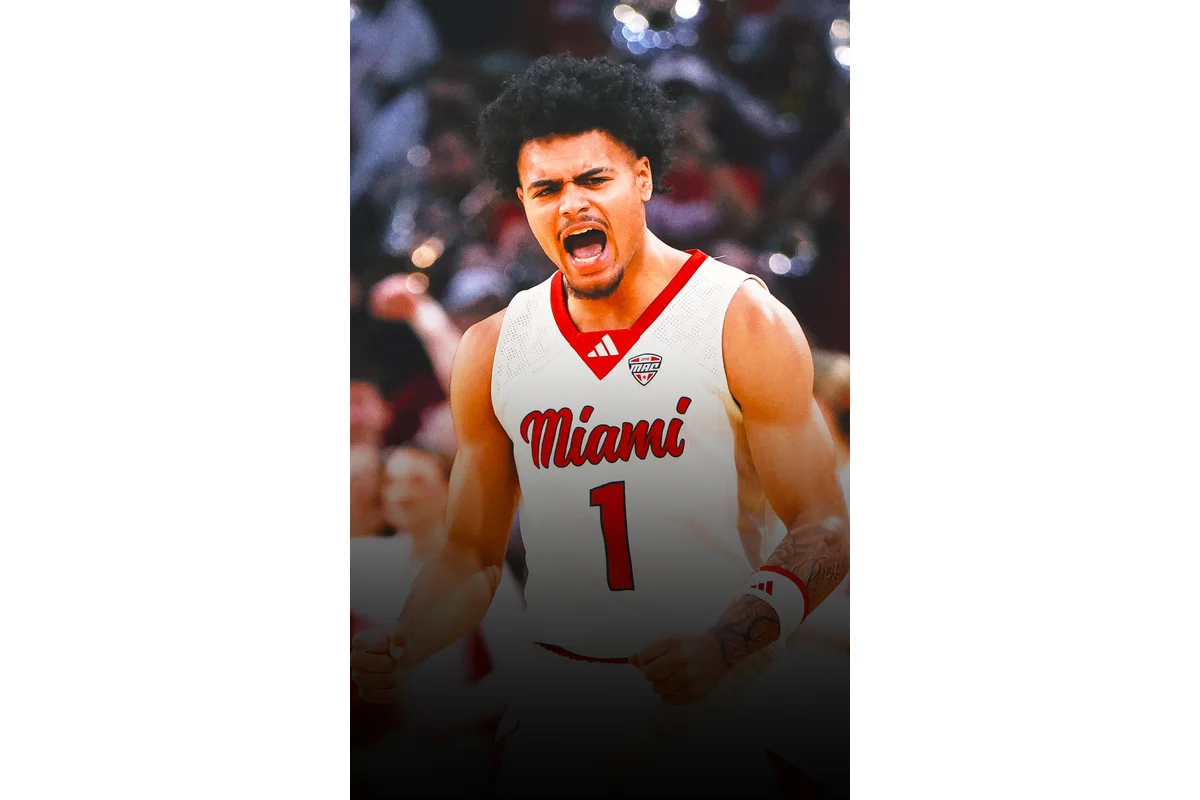
According to basketball recruiting insider Jeff Borzello,
“The line in the sand has always been this: Once a player keeps his name in the NBA draft, he knowingly gives up his NCAA eligibility and is no longer able to play college basketball. That line was directly challenged in this case, and for now, the NCAA has prevailed.”
Several previous players, like Baylor’s James Nnaji and former G League players Thierry Darlan (Santa Clara) and Abdullah Ahmed (BYU), also raised unique eligibility questions, but none had college playing experience before their professional stints. Bediako’s case, involving a player returning after both college and professional play, establishes new judicial precedent likely to influence forthcoming eligibility disputes.
ESPN staff writer Myron Medcalf noted,
“This decision creates different categories of players attempting to join the NCAA. As Jeff mentioned, the G League players who were cleared to play college basketball this season had not previously played college basketball. Nnaji hadn’t, either. The judge’s ruling, which could be challenged in a higher court, establishes that any player who plays in the NBA after playing college basketball is not allowed to return to college basketball.”
He continued,
“The judge aligned himself with the NCAA in this decision, separating NBA participation after college as the ultimate disqualifier. It’s a major ruling in the NCAA’s favor, and if it holds, any G League, two-way or NBA player who fits that criteria will be denied.”
Looking ahead, former UCLA guard Amari Bailey, who departed the Bruins in 2023 and participated in 10 NBA games, is reportedly exploring a college return, potentially triggering similar legal and eligibility considerations.
Alabama’s Challenges Without Bediako
Charles Bediako’s exclusion leaves Alabama facing depth issues amid a season already marred by injuries. During the short span that Bediako played, the team secured close victories against Auburn and Texas A&M, along with a dominant win over Missouri, though they fell to Tennessee and Florida two times. Bediako averaged 10 points, 4.6 rebounds, and 1.4 blocks per game during that stretch, starting two contests.
Head coach Nate Oats must now rely heavily on Noah Williamson, a former Bucknell transfer who has struggled offensively this season and has not scored since early January. Meanwhile, starting center Aiden Sherrell has shown promise and is poised to take on a larger role following Bediako’s departure.
Medcalf highlighted the impact on Alabama’s defense, stating,
“The Tide have the same issues they had before Bediako arrived: They’re not a great defensive team. During his first stint in Tuscaloosa, Bediako was a key player for one of the top defensive programs in America. Even though he averaged 1.4 blocks during his second-chance run, the Tide ranked 106th in adjusted defensive efficiency over that five-game stretch and allowed opponents to make 54.1% of their shots inside the arc — one of the worst marks in the country, per BartTorvik. And as Jeff said, their bigger concern without Bediako is simply the lack of players to put on the floor in a tough SEC.”
Impact on Alabama’s Wins and Potential Penalties
The question arises whether Alabama’s three wins during Bediako’s participation might be vacated by the NCAA. Historically, the NCAA has invalidated wins when players are later ruled ineligible, as a form of punishment. However, the situation here is complex.
The temporary restraining order granted previously explicitly prohibited the NCAA from threatening or imposing penalties on either Bediako or Alabama during its enforcement. Former NCAA president Charlie Baker remarked on the scenario in a Sports Illustrated interview, stating,
“For a lot of really good reasons, people who lose in court can’t turn around and punish the people who won.”
With the judge’s ruling being a legal decision rather than a violation of NCAA rules by Alabama, it seems improbable that the NCAA would vacate the wins earned during Bediako’s participation, especially so soon after the ruling.
How the NCAA Selection Committee May View Alabama’s Performance
When the NCAA selection committee evaluates Alabama’s season, it is expected to view Bediako’s contributions similarly to how it treats players who participated only part of a season due to injury or eligibility issues. The committee predominantly focuses on how the team is projected to perform in the tournament without unavailable players.
Jeff Borzello explained,
“The selection committee is likely to classify Bediako’s status like it does that of any other player who played only a portion of the season because of injuries, eligibility status, etc. When evaluating a team’s résumé, the committee puts its primary focus on how it performed with the group of players it will have during the NCAA tournament. For Alabama, that will be a team without Bediako. So yes, the wins over Auburn and Texas A&M count, and they will be on Alabama’s team sheet on Selection Sunday. But when the committee is comparing the Tide’s résumé to other squads’ during the seeding process, it will absolutely factor in that those wins came with a player no longer on the team.”
Bracketology expert Joe Lunardi added perspective:
“At the end of the day, the entire affair will end up overblown in terms of both on- and off-court impact. Bediako was a factor in his five games, yes, but he wasn’t Shaquille O’Neal. The Crimson Tide went 3-2, exactly what most projections had regardless. Bediako’s incremental contributions simply weren’t enough to affect Alabama’s overall numbers. Unless the team falls off a cliff, which no one expects, the committee needn’t spend much time on the topic. And, if they do collapse, the Tide’s issues will be much bigger than one player.”
