
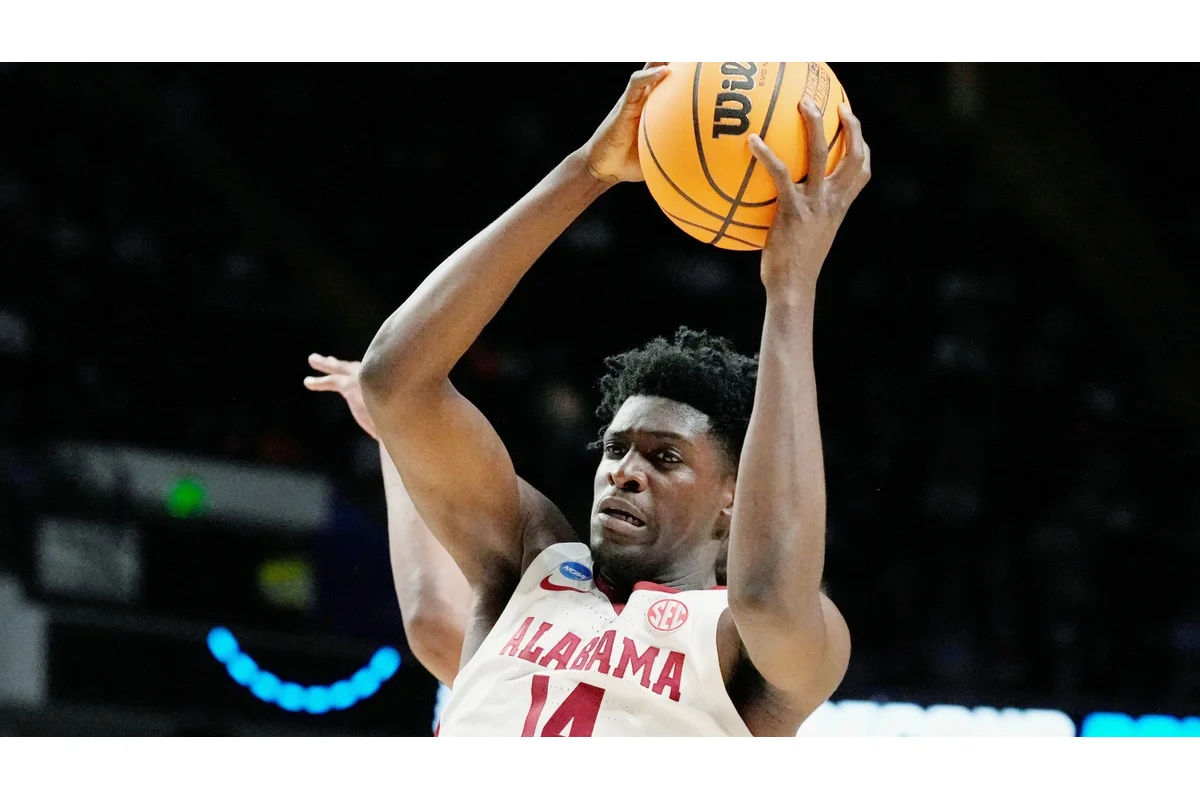
The Alabama Supreme Court refused Charles Bediako’s request to reinstate his eligibility to compete for the University of Alabama’s basketball team during the ongoing appeal of his NCAA eligibility case. This decision came on Friday as Bediako sought emergency relief to play while the legal process continues amid the closing weeks of the college basketball season.
Background of Bediako’s Eligibility Dispute
Charles Bediako, a 7-foot Canadian center, played two seasons with Alabama’s Crimson Tide from 2021 to 2023, contributing an average of 6.6 points, 5.2 rebounds, and 1.7 blocks per game while helping the team reach the NCAA Tournament in both years. After going undrafted in the 2023 NBA Draft, Bediako spent three years competing in the NBA G League. He filed a lawsuit challenging the NCAA’s refusal to grant him further collegiate playing eligibility.
Bediako’s legal team argued that he remains within the NCAA’s five-year eligibility window; however, NCAA President Charlie Baker and SEC Commissioner Greg Sankey opposed his reinstatement. Initially, a judge issued a temporary restraining order permitting Bediako to play, leading to his participation in five games this season. Later, Tuscaloosa Circuit Court Judge Daniel Pruet ruled against Bediako on February 9, stating that the player
“failed to demonstrate that he is entitled to the injunctive relief that he seeks.”
The presiding judge eventually recused himself from the case, prompting the current appeal.
Ongoing Legal Efforts and Athletic Impact
On Monday, Bediako formally appealed Judge Pruet’s ruling to regain his playing eligibility at Alabama. The Supreme Court’s rejection of his emergency motion means he cannot participate during this appeal process. Meanwhile, Bediako continues to represent Canada in international competition, having recently played in FIBA World Cup qualifiers, including a victory over Puerto Rico.
The timing of this court decision is significant, with Alabama’s regular basketball season concluding on March 7, followed by the SEC men’s basketball tournament in mid-March and the NCAA Tournament scheduled from March 17 through April 6. Without eligibility reinstatement, Bediako’s opportunities to compete this season remain uncertain.
Future Outlook for the Eligibility Case
This denial by Alabama’s highest court amplifies the challenges in Bediako’s fight to resume his collegiate career, underscoring broader tensions between players seeking extended eligibility and governing bodies enforcing NCAA regulations. The outcome of the appeal could have implications on how similar cases are handled in college sports moving forward.
