
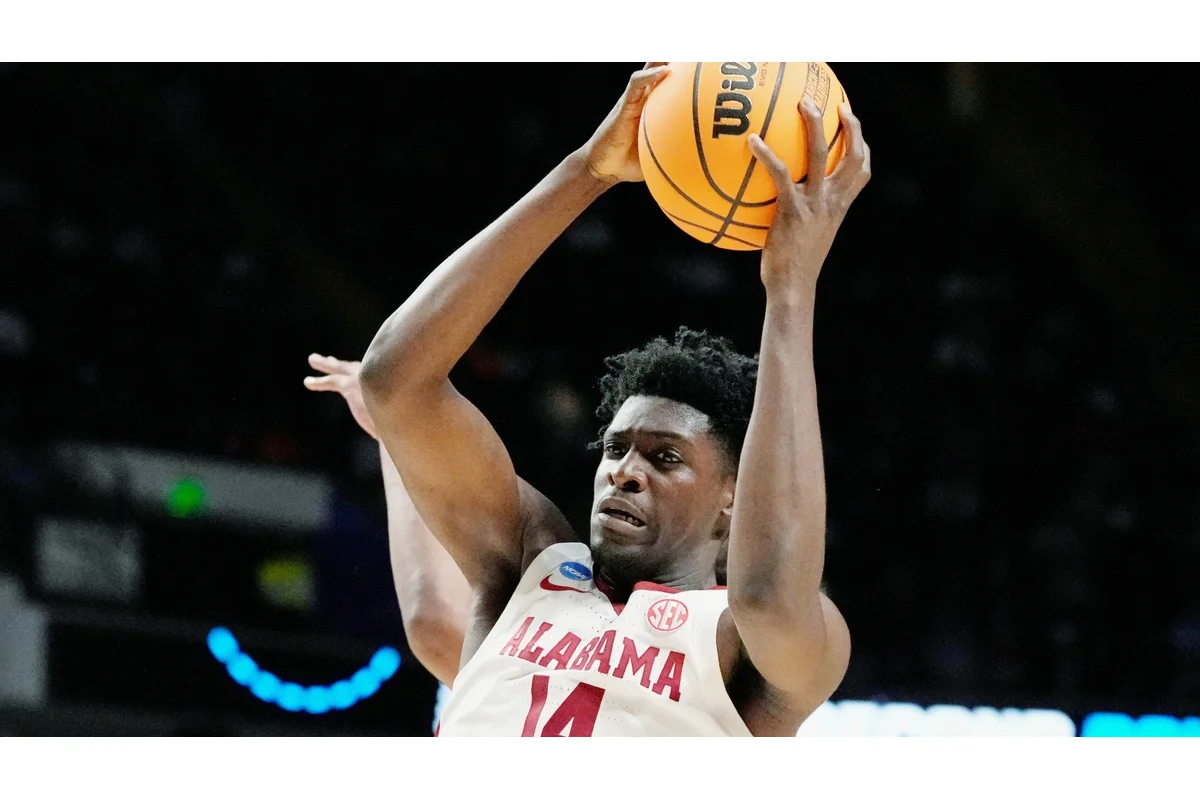
A judge in Alabama has denied Charles Bediako’s request to return to college basketball for the current season, intensifying an ongoing legal dispute over his eligibility. The ruling came on Tuesday from Tuscaloosa County Circuit Court, where the former G League player sought immediate reinstatement to the Alabama Crimson Tide roster amid a wider appeal process.
Legal Efforts to Secure Immediate Playing Rights Denied
Bediako’s legal team pursued interim injunctive relief from both the local circuit court and the Alabama Supreme Court starting Monday. Their goal was to ensure Bediako could compete while the higher court reviewed an earlier ruling denying his eligibility. However, Circuit Court Judge Daniel Pruet, who had already dismissed Bediako’s preliminary injunction request, declined this new motion as well. Alabama law requires the local court to address such injunctions before the state Supreme Court can intervene.
David Holt, one of Bediako’s attorneys, explained on Monday,
The request is to put an injunction in place while the Alabama Supreme Court considers the substance of our argument as to why we believe the Circuit Court’s order was incorrect.
Bediako’s Return Sparks Controversy Amid Unique Career Path
Charles Bediako, who played for Alabama from 2021 to 2023, was recognized for his defensive contributions during the 2022-23 season. After spending time in the G League and signing multiple NBA contracts, he returned this season to appear in five games, averaging 10 points per contest. The Crimson Tide held a 3-2 record with him on the court.
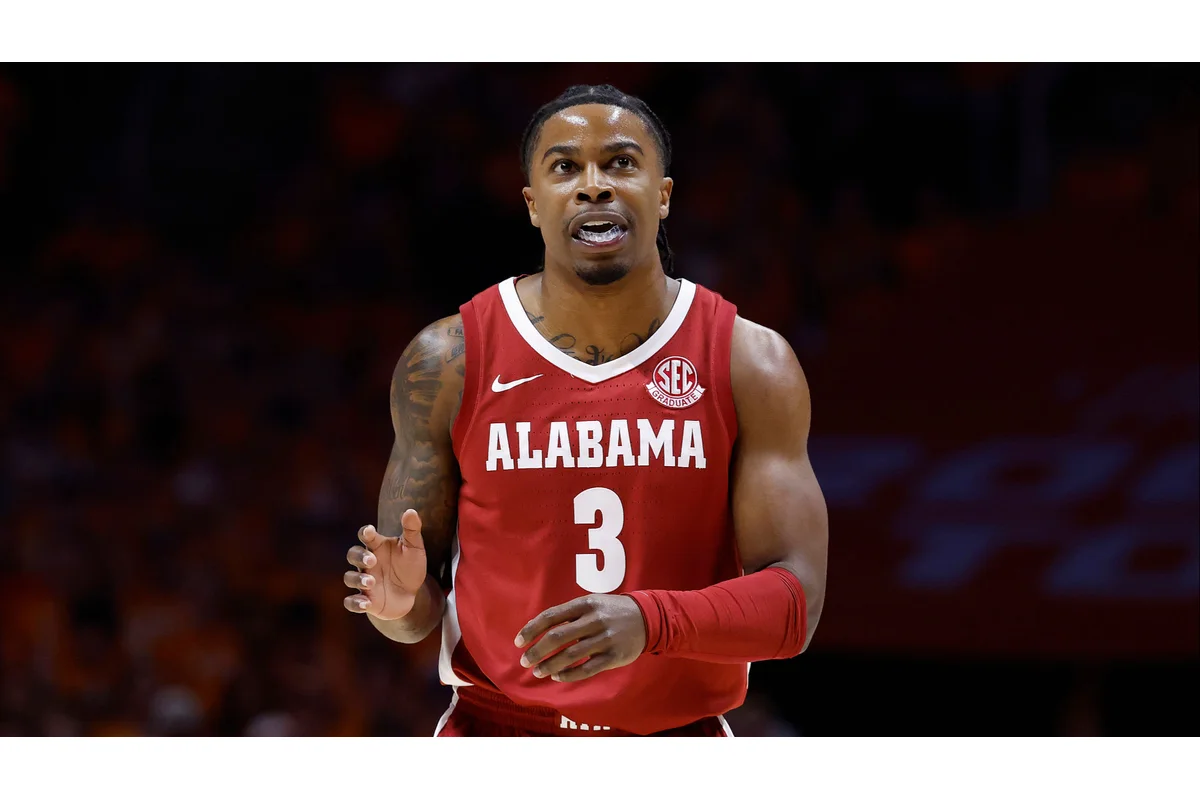
His comeback was historic, as he became the first player to re-enter college basketball after signing with the NBA, a decision that was initially authorized by a different local judge through a temporary restraining order. This unprecedented move provoked heated debate among college basketball officials and fans.
NCAA’s Firm Stance Opposes Bediako’s Eligibility Claim
Following Bediako’s temporary return, the NCAA released a statement criticizing the attempt to circumvent established regulations. The organization voiced concern that such exceptions could limit opportunities for high school athletes aspiring to college play. The controversy highlights the tension between evolving professional paths and traditional college eligibility rules.
Judge Reinforces Eligibility Standards in Latest Court Ruling
Judge Pruet’s recent decision reinforced the principle that players who have signed NBA contracts are ineligible to return to college basketball. In denying Bediako’s initial preliminary injunction, the judge stated clearly,
To obtain the benefits promised to him for participation in NCAA basketball, the Plaintiff must be eligible to participate in NCAA basketball.
Distinctiveness of Bediako’s Case Compared to Other Players
Unlike other athletes such as James Nnaji, a 2023 NBA draft pick who has been cleared to play in college, Bediako’s path includes direct NBA contract signings and a stint in the G League, elements that have complicated his eligibility review. While some former European professionals and G League players have transitioned into college basketball, the legal and regulatory scrutiny surrounding Bediako remains intense.
Implications of the Court’s Decision and Future Prospects
This ruling likely ends Charles Bediako’s chances to compete for Alabama in the current season and may impact the Crimson Tide’s lineup during the NCAA tournament. The case sets a significant precedent regarding the NCAA eligibility of players with professional experience, especially those involving NBA contracts. It also underscores the challenges athletes face when navigating between professional leagues and collegiate sports.
As the appeal process continues, the broader basketball community and legal observers will watch closely for further developments that could reshape eligibility criteria and player movement across leagues.
