
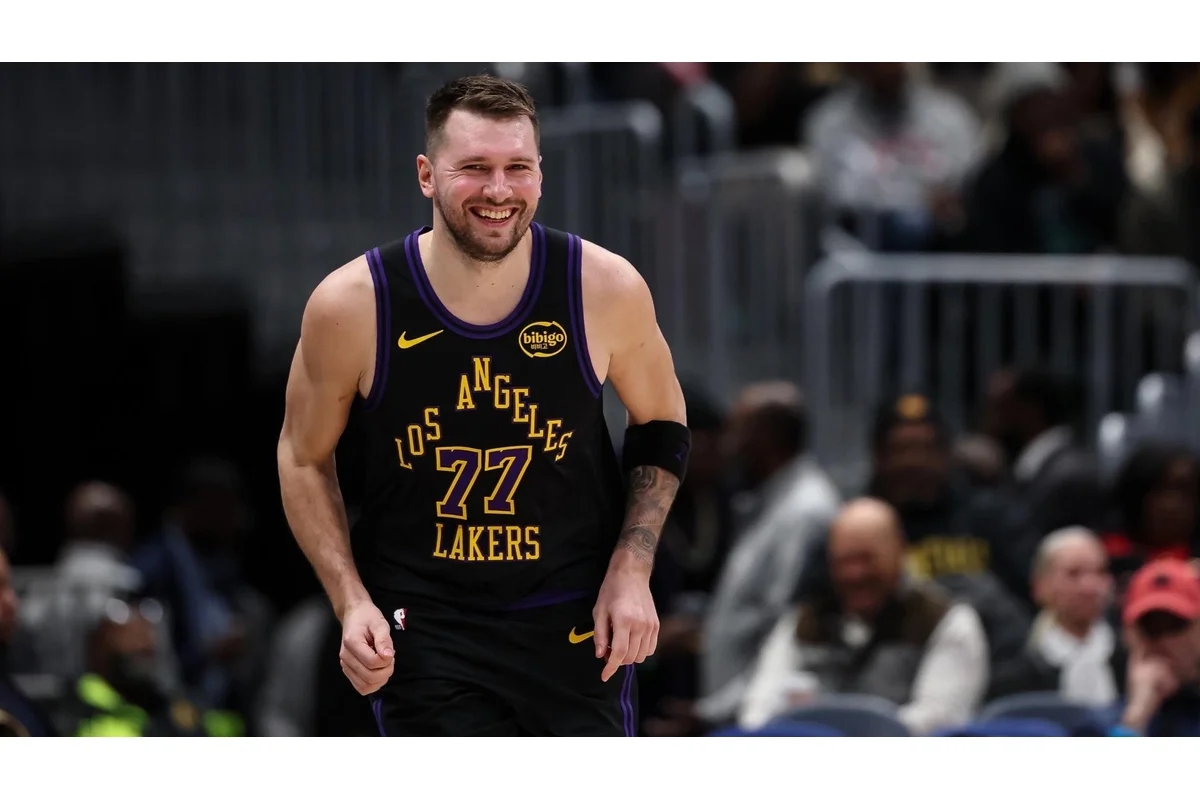
With just two days left before the NBA trade deadline, the Atlanta Hawks have decisively ruled out acquiring Anthony Davis, according to insider Jake Fischer. The Hawks’ decision closes the door on any further attempts to bring Davis to Atlanta, signaling the team’s final stance on the potential deal amid ongoing roster concerns. This announcement marks a clear endpoint to speculation surrounding the Anthony Davis trade decision.
Why Anthony Davis Remains Out of Reach for the Hawks
Davis remains an ideal fit on paper, given his stature as one of the best defenders in recent times and his elite ability in pick-and-roll situations and finishing lobs. When healthy, he would instantly address the Hawks’ shortage of dominant big men. Yet, the obstacles preventing a trade are significant and multifaceted, influencing Atlanta’s cautious approach.
First, the trade cost would be steep. The package reportedly involves Kristaps Porzingis and Luke Kennard, with Zacharie Risacher not available from Atlanta’s side. The Dallas Mavericks appear unwilling to consider offers without Porzingis and Kennard included. While Porzingis is a key contributor for the Hawks, Kennard is an indispensable shooter. Losing Kennard severely weakens the team’s perimeter shooting, as the Hawks have only two other reliable sharpshooters: Corey Kispert and Porzingis, the latter sidelined for much of the season.

Dropping Kennard and Porzingis would leave Atlanta’s usual rotation heavily short on shooters, with merely three players surpassing the league’s average shooting accuracy of 35.9%. This lack of shooting depth would create a critical imbalance difficult to resolve, even with Davis on the roster.
Contractual and Injury Risks Weigh Against the Trade
Another deterrent is Davis’s current contract situation. Already earning $175 million over three years and represented by Rich Paul’s Klutch Sports Group, Davis is reportedly seeking a lucrative contract extension. The Hawks are in the early stages of developing talent like Jalen Johnson and cannot risk the financial and roster instability that such a significant extension would introduce. Committing to an expensive, potentially risky deal would gamble against their long-term strategy.
Health concerns perhaps pose the most severe risk. Throughout his career, Davis has struggled with injuries, missing over 30 games annually since 2020 and missing 29 games this season alone. Despite his undeniable talent, his availability issues are a major liability. Given the Hawks’ plan to rely heavily on consistent player contributions, Davis’s injury history represents a severe and unlikely-to-improve challenge.
Hawks’ Leadership Stands Firm After Recent Changes
Following the trade of Vit Krejci to Portland, the Hawks’ roster now emphasizes balance over risky, high-profile moves. Executive Onsi Saleh’s cautious approach reflects awareness of the pitfalls associated with chasing star players in hurried deals, especially after the franchise’s difficult decision involving Trae Young earlier this season. The Hawks are prioritizing sustainable growth rather than immediate but uncertain gains.
Implications of the Decision Moving Forward
This clear rejection of an Anthony Davis trade underscores Atlanta’s commitment to measured team-building and financial prudence. While missing out on a player of Davis’s caliber is disappointing, it aligns with protecting roster integrity and avoiding overextension. Moving forward, the Hawks will continue focusing on internal development and maintaining rotation balance, hoping to build a competitive team without compromising future flexibility.
