
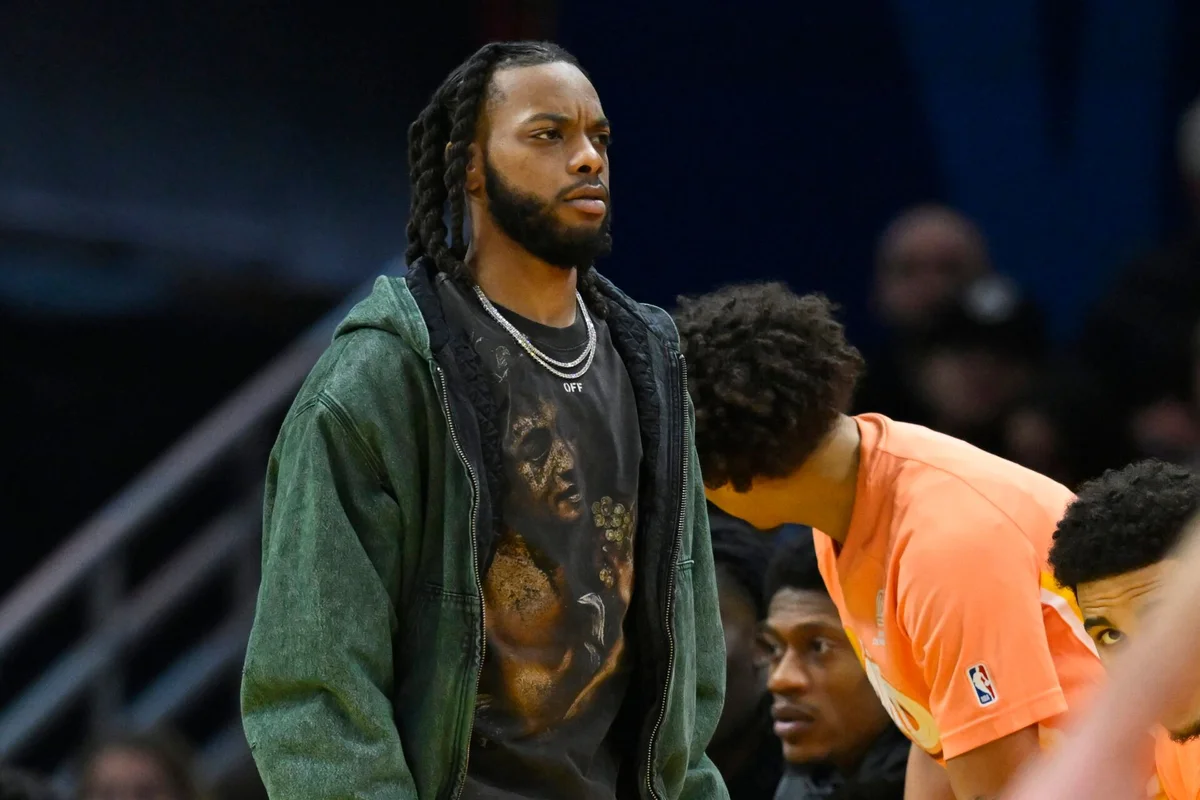
On Tuesday, the Cleveland Cavaliers and Los Angeles Clippers completed a significant trade involving star point guards Darius Garland and James Harden ahead of the NBA trade deadline. The Cavaliers acquired Harden in exchange for Garland and a 2026 second-round draft pick, aiming to strengthen their roster as both teams seek better outcomes in challenging seasons. This trade carries implications for the 2025-26 season and beyond, with each franchise betting on renewed momentum.
Details of the Trade: Harden Moves to Cleveland, Garland Heads to Los Angeles
The Cleveland Cavaliers welcomed guard James Harden, while the LA Clippers received guard Darius Garland along with a future second-round pick slated for 2026. Both players are 2025 NBA All-Stars and have comparable salaries, underscoring the balance of this player-for-player swap plus a draft asset.
Evaluating the Cavaliers’ Acquisition of Harden
The Cleveland Cavaliers have earned a grade of B for this trade, with analysts seeing Harden as a catalyst to reinvigorate a team that has slipped from its peak. Coming off a league-best 64-win campaign last season, the Cavs now find themselves in a tight playoff scramble within the Eastern Conference. Garland’s persistent toe injuries—dating back to April and persisting despite offseason surgery—have limited his availability and diminished his effectiveness, with shooting percentages and overall production declining during his stints on the court.
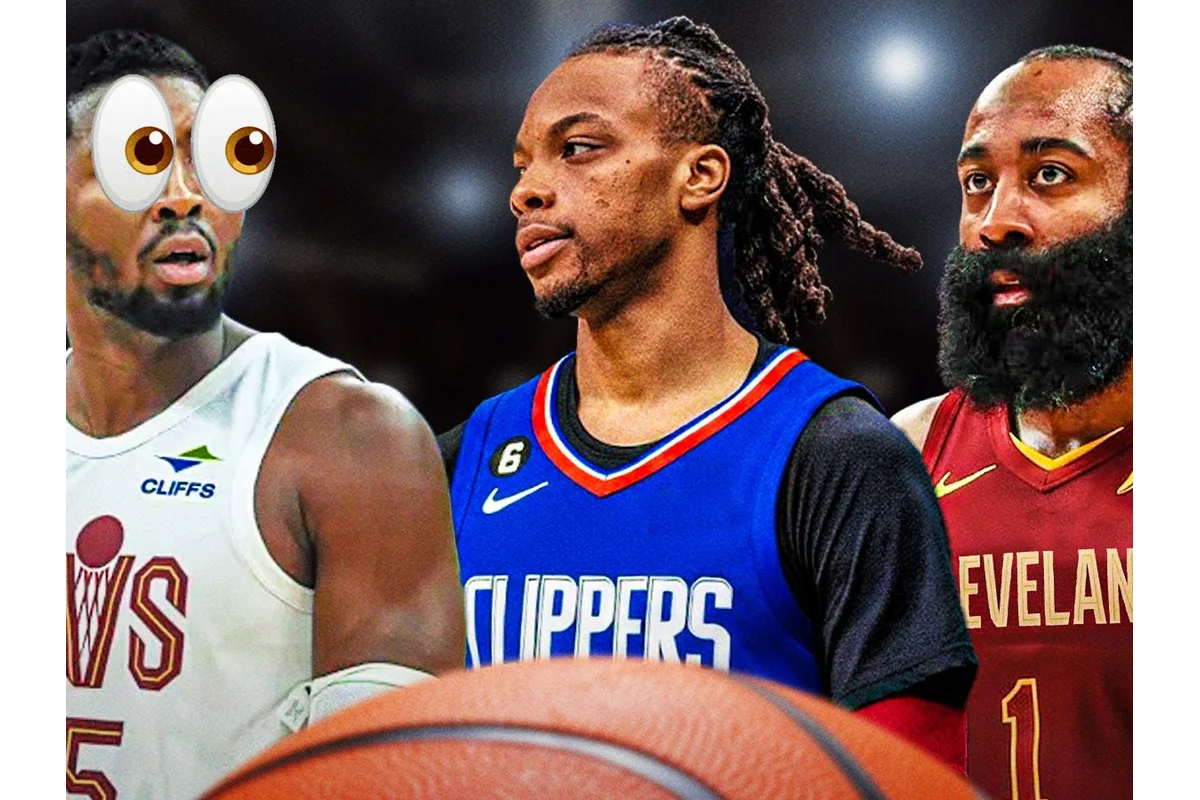
Garland’s injury setbacks, coupled with the team being outscored significantly when he is on the floor, have contributed to Cleveland leaning heavily on Donovan Mitchell. Mitchell has been logging career-high usage and minutes as the team’s primary ball-handler, a situation that could prove unsustainable given his injury history involving calf and ankle issues during last season’s playoffs.
At 36 years old, Harden provides Cleveland with a proven All-Star capable of facilitating offense and reducing pressure on Mitchell. He currently ranks 11th in wins above replacement player (WARP), leading all non-All-Star players, and maintains high minutes per game despite recent absences for personal reasons. His experience managing playing time alongside another ball-dominant guard, as he did with Chris Paul during the Rockets’ 2018 Finals run, offers a blueprint for Cleveland’s coach, Kenny Atkinson, to optimize lineups and preserve player health.
The past performances of Harden with the Brooklyn Nets, sharing ball-handling duties with Kevin Durant and Kyrie Irving, demonstrate his ability to complement scorers by distributing assists and maintaining efficient usage rates. This dynamic could enhance Cleveland’s offense, especially given the scoring threats posed by Jarrett Allen and Evan Mobley on pick-and-roll plays.
Defensively, Harden’s 6-foot-5 frame gives the Cavaliers more versatility compared to the relatively undersized backcourt of Garland and Mitchell. This size advantage could allow him to guard power forwards when needed, benefiting from Mobley’s flexibility and Harden’s surprising post defensive skills.
Despite Harden’s reputation for underwhelming playoff performances earlier in his career, this trade does not dismantle what was once a dominant Cleveland team, but rather serves as a strategic adjustment amid current challenges. Garland’s lingering health issues and decreased production made the decision to move him a pragmatic one, with Harden likely being the top attainable replacement. The Cavaliers must consider Harden’s player option for the 2026-27 season, but success advancing deep into the playoffs would justify retaining him.
Clippers’ Shift Toward Youth with Garland Acquisition
The Los Angeles Clippers received a B- grade for this transaction. This move represents a significant change from their earlier approach focused on contending immediately while preserving salary cap space for expected top-tier free agents in 2027, such as Donovan Mitchell. In retrospect, trading Harden might have been more advantageous during their poor start to the season, when they were 15 games below .500. However, the Clippers’ recent surge to a 16-3 run in nineteen games reignited playoff hopes, complicating the timing and rationale for this trade.
Despite the Clippers stepping away from their win-now strategy, their projected chances of avoiding the play-in tournament remain low according to ESPN’s Basketball Power Index (BPI). This trade also marks a considerable financial commitment, as Garland’s contract extends through the 2027-28 season with an annual salary of nearly $45 million. Prior to the trade, Ivica Zubac was the sole Clippers player under guaranteed contract beyond 2027, with a much lower salary.
While Garland’s addition limits the Clippers’ ability to offer multiple max contracts before 2027, the organization still anticipates creating enough cap space for high-impact acquisitions in the summer. Garland’s youth and potential form a stark contrast to Harden, a 36-year-old nearing the twilight of his playing career. This age difference is notable, as Dan Feldman of Dunc’d On Daily described this trade as one of the few in recent NBA history involving two All-Stars at opposite ends of their careers.
If Garland can recover his form akin to the 2024-25 season, the trade could pay significant dividends. The Clippers invested patience before, as Garland rebounded strongly from a jaw injury in the 2023-24 season to achieve a career-best performance the following year. Unlike the Cavaliers, the Clippers face less immediate urgency, giving them time to develop Garland’s talent.
Additionally, the Clippers could face penalties including the loss of multiple draft picks amid an ongoing league investigation into salary cap circumvention linked to Kawhi Leonard’s sponsorship deal. Amid such uncertainty, Garland’s youthful energy could offset the absence of late-second-round contributors like Jordan Miller and Kobe Sanders, whose efforts helped fuel the team’s recent surge.
The Clippers’ original plan to prioritize 2027 cap space appears at odds with recent NBA trends, where star players more commonly switch teams via trades and contract extensions rather than free agency. This shifting environment, coupled with possible off-season moves by other stars like Giannis Antetokounmpo, may prompt the Clippers to adjust their portfolio of assets moving forward.
However, a major concern remains Garland’s uncertain health, especially his persistent toe issues that have hampered his quickness and overall game. The Clippers’ upcoming medical evaluation of Garland is poised to be one of the most critical physical assessments in recent NBA trade history given the stakes involved.
Trade’s Broader Consequences for Both Teams and Future Outlook
This trade marks a pivotal moment for both franchises as they redefine their competitive trajectories. Cleveland places its hopes on Harden’s veteran prowess to ease pressure on Donovan Mitchell and spark a resurgence in offensive efficiency. Meanwhile, the Clippers accept increased financial and injury risks, betting on Garland’s potential to become a cornerstone player despite his recent setbacks.
The Cavaliers’ ability to integrate Harden’s playmaking style with Mitchell’s scoring and the team’s versatile big men will influence their playoff chances and long-term strategy. For the Clippers, balancing salary cap flexibility and acquiring a younger core player signals a shift from rapid contention toward a more sustainable rebuild or retooling phase.
As the season progresses, monitoring Garland’s health and Harden’s adaptation to Cleveland’s system will be key indicators of the trade’s success. Both teams face significant challenges but also opportunities that could alter their standings in the increasingly competitive NBA landscape.
BREAKING: The Los Angeles Clippers are trading James Harden to the Cleveland Cavaliers for Darius Garland and a second-round pick, sources tell ESPN. Prolific swap of the star point guards. pic.twitter.com/IHhhhabJnX
— Shams Charania (@ShamsCharania) February 4, 2026
James Harden for Darius Garland is the first star-for-star trade with a 10-year age gap in NBA history
— Nate Duncan (@NateDuncanNBA) February 4, 2026
