

When James Harden was traded to the Cleveland Cavaliers in exchange for Darius Garland on Tuesday night, it added another complex chapter to Harden’s trade legacy. This move continues a pattern of transitions following his stints with Philadelphia, the Clippers, and Brooklyn, marking Harden’s ongoing search for the right fit late in his career. The James Harden trade legacy reflects both his remarkable scoring talent and the tumultuous circumstances surrounding his recent team changes.
Reflecting on Harden’s Stability and Struggles in Houston
Before these recent moves, Harden’s career was defined by his eight-year tenure with the Houston Rockets, where he stood as a lone offensive force against dominant teams like the Golden State Warriors. Harden’s commitment to staying with Houston throughout the 2010s demonstrated his willingness to fight the toughest battles in a highly competitive conference. Despite facing near-impossible odds season after season, Harden believed he could ultimately overcome his elite opponents.
His efforts nearly culminated in an NBA championship, marred only by unfortunate injuries such as Chris Paul’s hamstring tear in 2018, which severely disrupted Houston’s title hopes. Had circumstances been different, Harden’s legacy might be remembered as a champion rather than one marked by a series of short-lived stops after Houston.
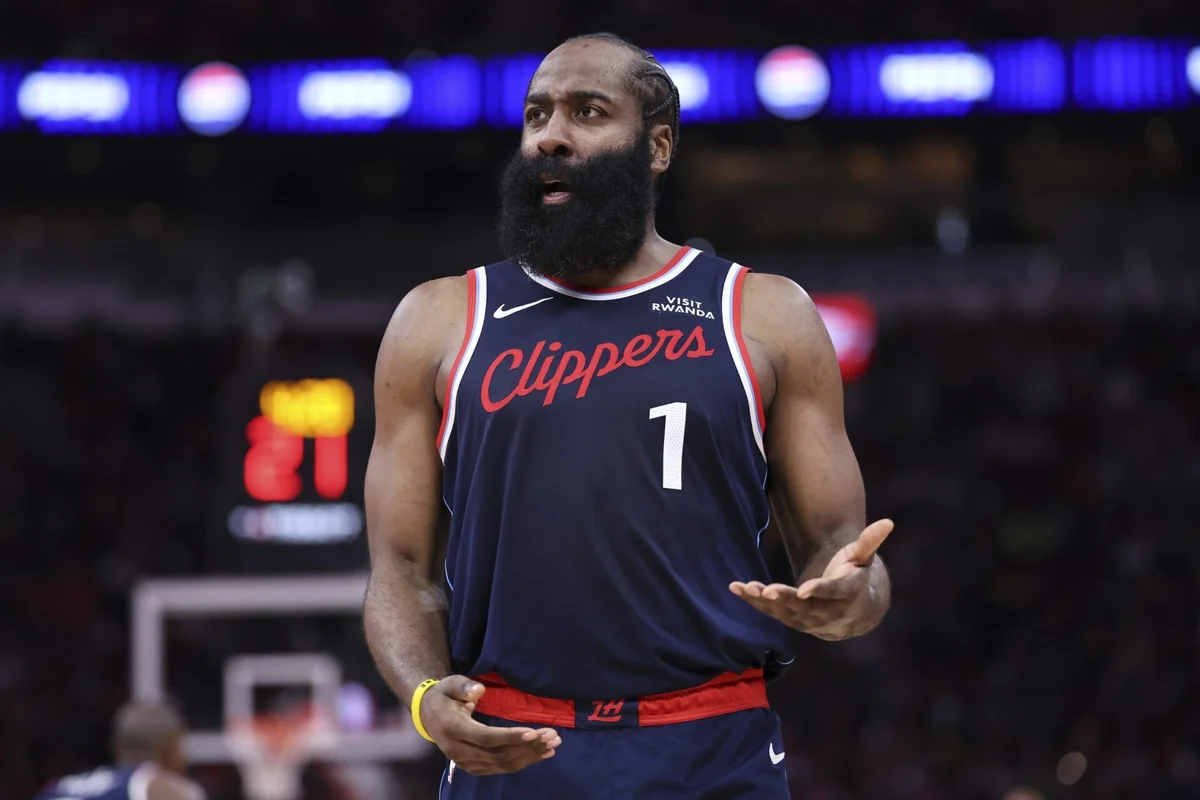
The Complex Reputation Shaping Harden’s Legacy
Harden’s post-Houston journey has been characterized by early playoff exits and rapid team changes, facts that often overshadow his incredible career achievements. Despite being regarded as one of the greatest scorers the NBA has ever seen, Harden has also attracted criticism for his style of play. His reputation for drawing fouls, playing mediocre defense, and perceived selfishness adds to the polarized views fans and analysts hold about him.
This polarized perception challenges Harden’s legacy. While his statistics and scoring prowess are undeniable, his approach and circumstances have earned him a negative image among many observers. He is often described as a difficult player to appreciate, especially because he frequently draws fouls that frustrate opponents and fans alike.
Understanding the Reasons Behind Harden’s Recent Departures
While Harden left Philadelphia on less-than-amicable terms and severed ties with former executive Daryl Morey, his periods with the Clippers and Nets involved significant situations beyond his control. The Clippers’ acquisition of Kawhi Leonard and Kyrie Irving’s absence in Brooklyn altered team dynamics, limiting Harden’s options. In these environments, Harden’s decisions to move were not purely personal but influenced by larger organizational factors.
Harden’s pursuit of loyalty has been complicated by contract negotiations and financial realities. His desire for a secure contract extension has driven many of his moves, including this latest trade to Cleveland. Harden’s focus since leaving Houston appears to be more about securing his financial future than simply chasing a championship ring.
The Financial Motivations Behind Harden’s Career Moves
Though Harden has already earned a reported $375 million during his career, financial considerations continue to influence his decisions. The recent trade was partially shaped by Harden’s search for a long-term contract extension that the Clippers were unwilling to offer. Similarly, a contract extension seemed uncertain with the 76ers, pushing Harden to Cleveland in hopes of a better financial deal.
This perspective reframes Harden’s actions not as a disgruntled star abandoning teams but as a professional seeking to maximize his earnings in the final chapters of a Hall of Fame career. Harden’s financial priorities align with a practical, if not always popular, approach common among veteran athletes managing their remaining years in the league.
Trade Dynamics: Why the Teams Agreed to the Swap
The trade that sent Harden to Cleveland was driven as much by the Clippers’ needs as Harden’s own wishes. By acquiring a younger All-Star point guard in Darius Garland, who is 10 years Harden’s junior, the Clippers lowered their risk and added a promising asset, especially given Garland’s potential when healthy.
On the other hand, Cleveland’s decision to bring in Harden is a short-term gambit aimed at strengthening their immediate playoff chances, particularly as Garland battles injury questions during the postseason push. While the Cavs may not build their long-term future around Harden or offer him a contract extension, his presence boosts their competitiveness right now.
Evaluating Harden’s Impact on Cleveland and the Broader NBA Landscape
In the near term, Cleveland’s acquisition of Harden has improved the team’s offensive firepower amid Garland’s health concerns, with Harden averaging 25 points and 8 assists at the time of the trade. This trade represents a strategic choice by the Cavs to capitalize on championship opportunities while recognizing the temporary nature of Harden’s role.
For the Clippers, the trade provides a clearer path toward restructuring and youth development. Both teams benefit in the short run, illustrating that this deal was a calculated move rather than a forced surrender to Harden’s demands.
Ultimately, Harden’s trade legacy is a mosaic of incredible scoring achievements, controversial strategies, and challenging team dynamics. His career after Houston, highlighted by a series of team changes, reflects the complexities of modern NBA superstars’ careers where money, loyalty, and competition intersect. This latest move to Cleveland offers a fresh chance for Harden to add another dimension to his legacy as his career draws closer to its conclusion.
