
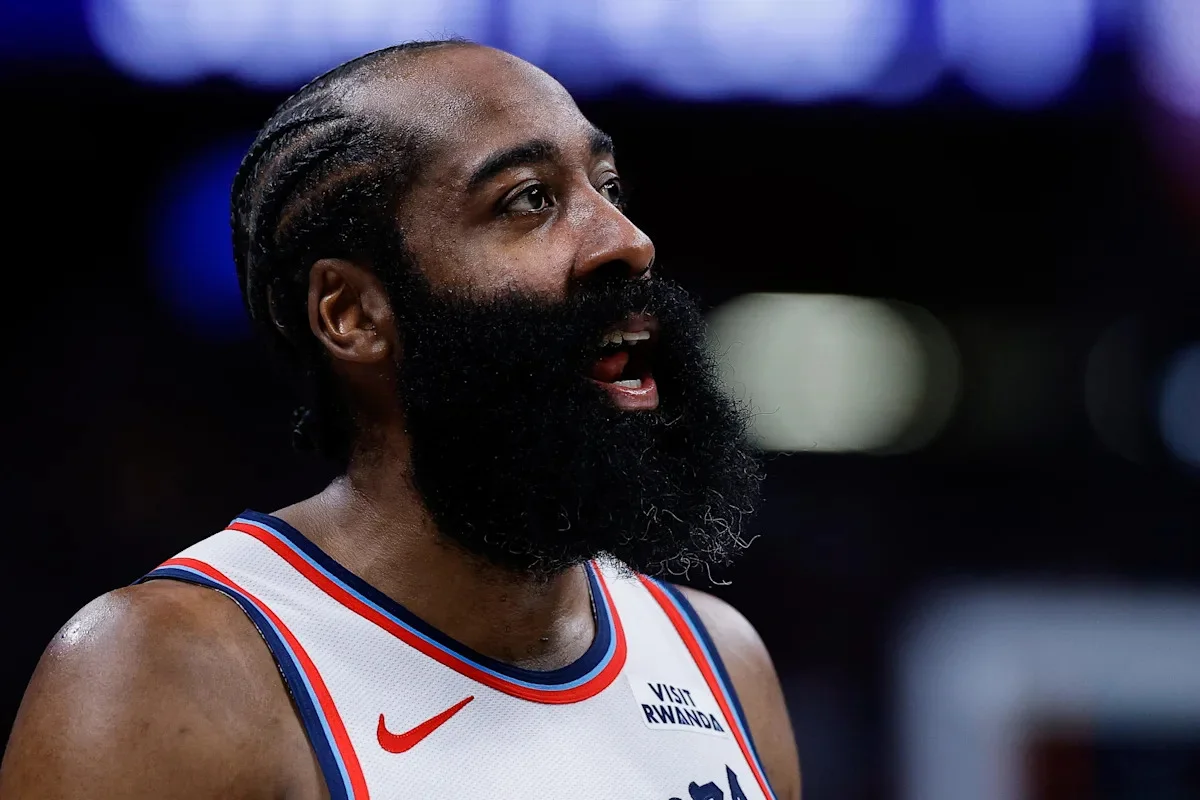
The Cleveland Cavaliers have executed a surprising trade, sending their two-time All-Star point guard Darius Garland and a 2026 second-round draft pick to the Los Angeles Clippers in exchange for veteran James Harden. This trade, confirmed by multiple league sources just before the NBA’s trade deadline on Thursday, aims to bring Harden’s championship experience and offensive skill set to Cleveland, signaling a shift in the team’s trajectory.
Analyzing the Fit: James Harden Joining Cleveland’s Frontcourt
Harden’s arrival in Cleveland changes the dynamic around young stars Evan Mobley and Jarrett Allen. Known for his masterful pick-and-roll play, Harden excels at threading pinpoint one-handed passes to big men rolling to the basket. This skill has been highly valued by Clippers’ center Ivica Zubac, as well as Joel Embiid and Clint Capela during their tenures playing with Harden. With Mobley and Allen in Cleveland, Harden’s ability to find rolling bigs should create more effective scoring opportunities.
Offensively, Harden controls the pace on the perimeter by using a blend of step-back jumpers, drawing contact on drives, and delivering lobs when defenders collapse. He also has a signature push shot that challenges defenders. However, integrating him alongside Donovan Mitchell presents challenges. While the former backcourt featuring Garland and Mitchell struggled due to both being ball-dominant guards of similar size and roles, Harden contrasts by being more deliberate and physical — adding four inches in height, a decade of experience, and considerably more muscle mass.
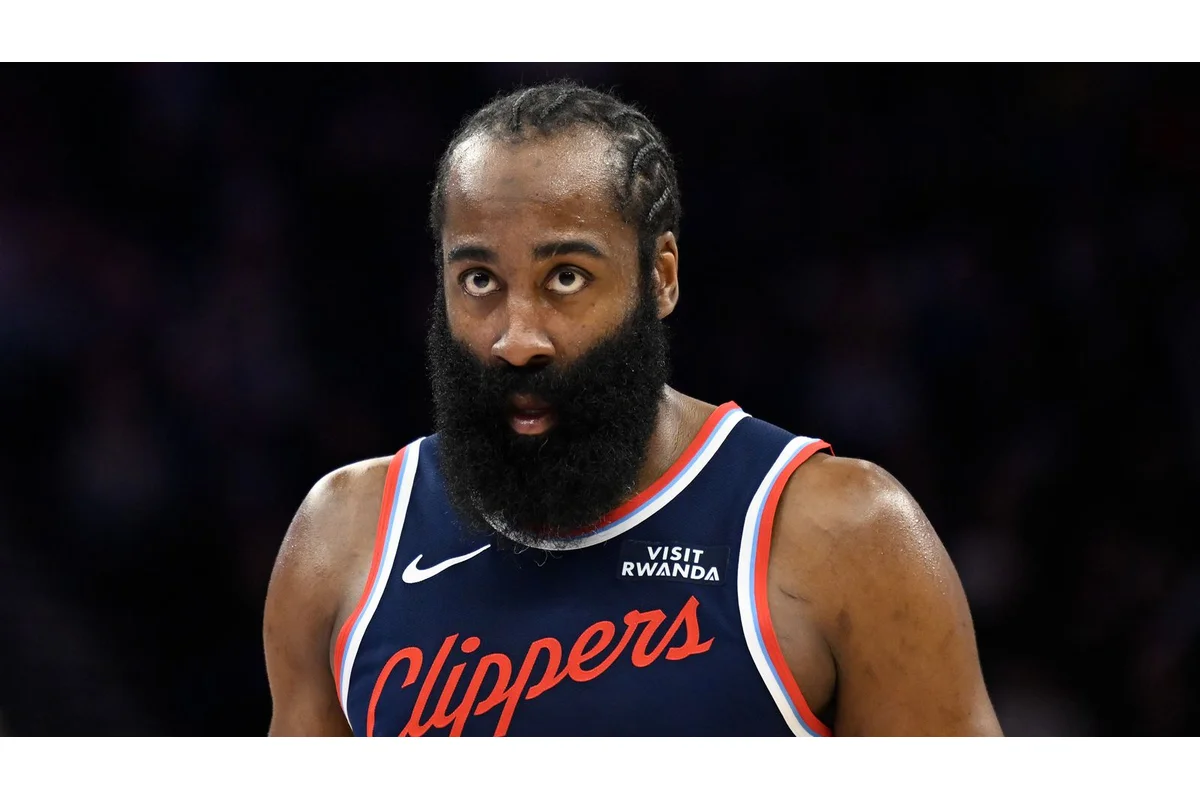
Changes in Gameplay Tempo and Defensive Challenges
The Harden-Mitchell pairing is expected to slow down the Cavaliers’ previously faster tempo style, as Harden’s play has consistently revolved around a half-court set rather than rapid transitions. Harden’s approach is methodical, forcing defenses to react over a slower number of possessions — a shift from Cleveland’s recent identity. His average possessions per game have not exceeded 100 since the pandemic-affected season, reflecting this measured pace.
Defensively, Harden’s larger build provides some physical presence, though his lateral quickness trails that of younger, more agile guards in the league. Per Cleaning the Glass, the Clippers experienced a defensive rating of 120.6 points allowed per 100 possessions and opponents shooting 55.8% effective field goal percentage with Harden on court, compared to an improved 112.7 rating and 52.0% eFG% when he sat. While Mobley and Allen can offer rim protection and rebounding cover, Harden remains vulnerable to opposing offenses targeting him, especially in pick-and-roll defense, where he concedes 0.89 points per possession and allows 1.15 points per possession against rolling bigs.
On a positive note, Harden’s isolation defense is notable; he allows just 0.72 points per possession in that area and can hold his ground physically against bigger players in the post.
James Harden’s Offensive Contributions and Career Status
Hardens brings undeniable offensive ability to Cleveland. At 36 years old, he is maintaining strong production this season, averaging 25.4 points, 8.1 assists, 4.8 rebounds, and 1.3 steals per game in over 35 minutes of play across 44 contests. Alongside Kawhi Leonard, Harden has helped the Clippers remain competitive in the Western Conference after a difficult start to the season. The Clippers’ offensive rating with Harden on the court stands at an impressive 120.3 compared to 109.6 without him, fueled by Harden’s knack for getting to the basket and drawing fouls, boasting a free-throw rate of 25.8 made per 100 field goal attempts.
Despite his high-level skills, Harden is nearing the twilight of his career and relies more on basketball IQ and craft than physical attributes, suggesting he may continue for another two to three seasons. His durability throughout his career adds value, as does his motivation to secure a final lucrative contract. However, the Clippers reportedly declined to meet Harden’s contract extension demands, prompting the trade. It remains to be seen if Cleveland can provide the security he seeks.
Playoff Experience and Team Outlook Following the Trade
While Harden’s offensive prowess is clear, his playoff history is mixed. Over 16 postseason appearances with five different franchises, Harden has reached the conference finals only twice (excluding his early sixth-man days with the Oklahoma City Thunder) and faced early exits in multiple first- and second-round matchups. This track record may factor into Cleveland’s ongoing planning as the team seeks to reshape its roster around this new core.
It is also important to highlight that this trade likely stems from Cleveland’s desire to reduce salary commitments related to Garland, as managing salary cap constraints and luxury tax implications often drives such moves. Acquiring Harden, therefore, may serve more as a financial decision than a pure basketball upgrade at this stage.
Evaluating the Trade’s Impact and What Lies Ahead for Cleveland
The Cavs’ acquisition of James Harden represents a significant change in team composition and playing style, moving from a young, fast-paced backcourt to a more veteran-driven, slower approach. Whether this trade signals a serious push for a championship or a transitional phase remains uncertain. With the Cavaliers still exploring ways to adjust their roster, the full impact of trading Garland in favor of Harden will unfold gradually over the coming weeks and months.
For now, the trade raises numerous questions about fit, defense, and future direction. The move has drawn skepticism, with some grading it poorly due to the age and defensive concerns surrounding Harden as well as the loss of Garland’s youthful talent. Cleveland’s ability to make this combination work and deepen their contention window will be critical to watch as the season progresses.
