
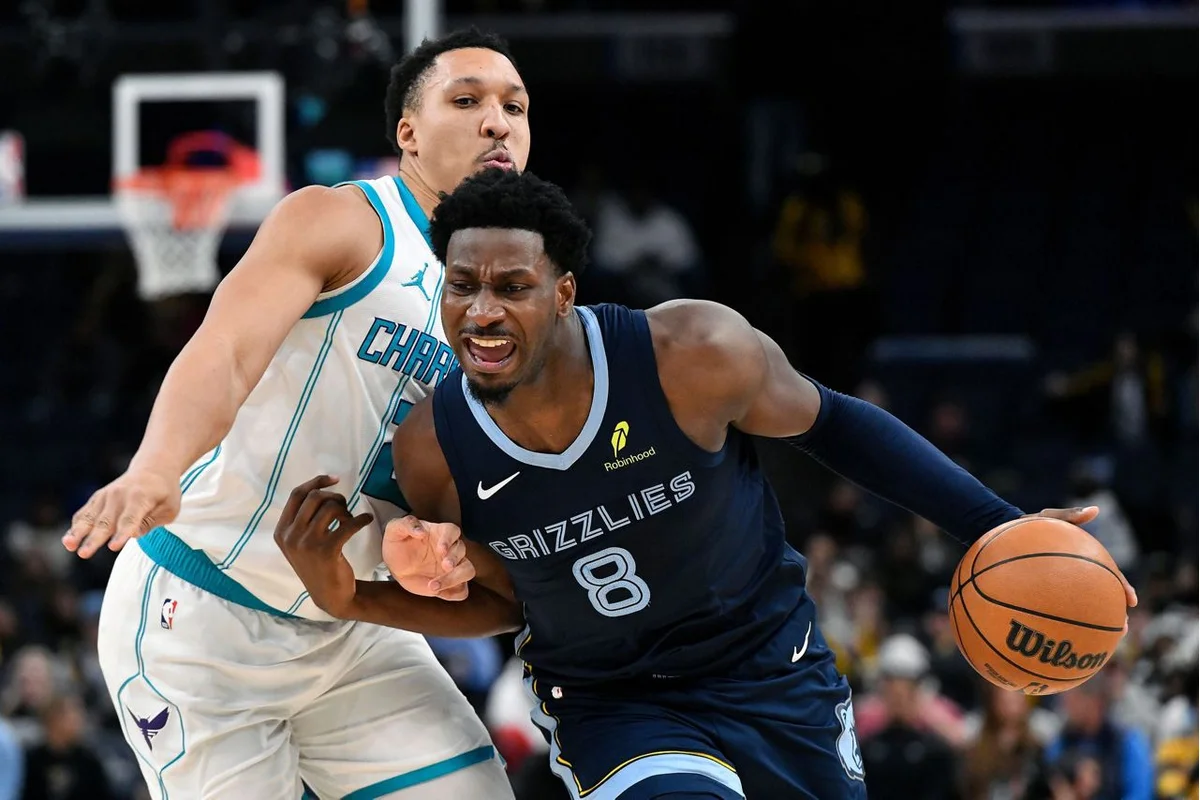
The Utah Jazz made a significant move on Tuesday by acquiring Jaren Jackson Jr. from the Memphis Grizzlies, marking a decisive turning point for the franchise. This acquisition highlights the Jazz’s intent to move past years of rebuilding and positions the team for future contention in the Western Conference.
With Jaren Jackson Jr. joining the roster, the Jazz have taken a bold step toward assembling a competitive core. This trade reflects the “big-game hunting” strategy referenced by Danny Ainge earlier in 2024, intending to elevate the team’s status among the NBA’s better squads.
Anticipated Performance and Strategy for the Upcoming Season
The Jazz’s path toward immediate success remains cautious, as they still face challenges this season. Due to the top-eight protected draft pick owed to Oklahoma City, the team remains incentivized to lose enough games in 2025-26 to secure another high-level lottery prospect. The trade agreement avoided including this protected pick, allowing Utah to retain key future assets.
Along with Jackson, Utah received John Konchar, Jock Landale, and Vince Williams Jr., as part of the trade that sent Taylor Hendricks, Walter Clayton Jr., Kyle Anderson, and Georges Niang to Memphis. This reshuffling requires experimentation to find optimal rotations, so fans should not expect immediate heavy minutes for Jackson alongside Lauri Markkanen and Keyonte George just yet.
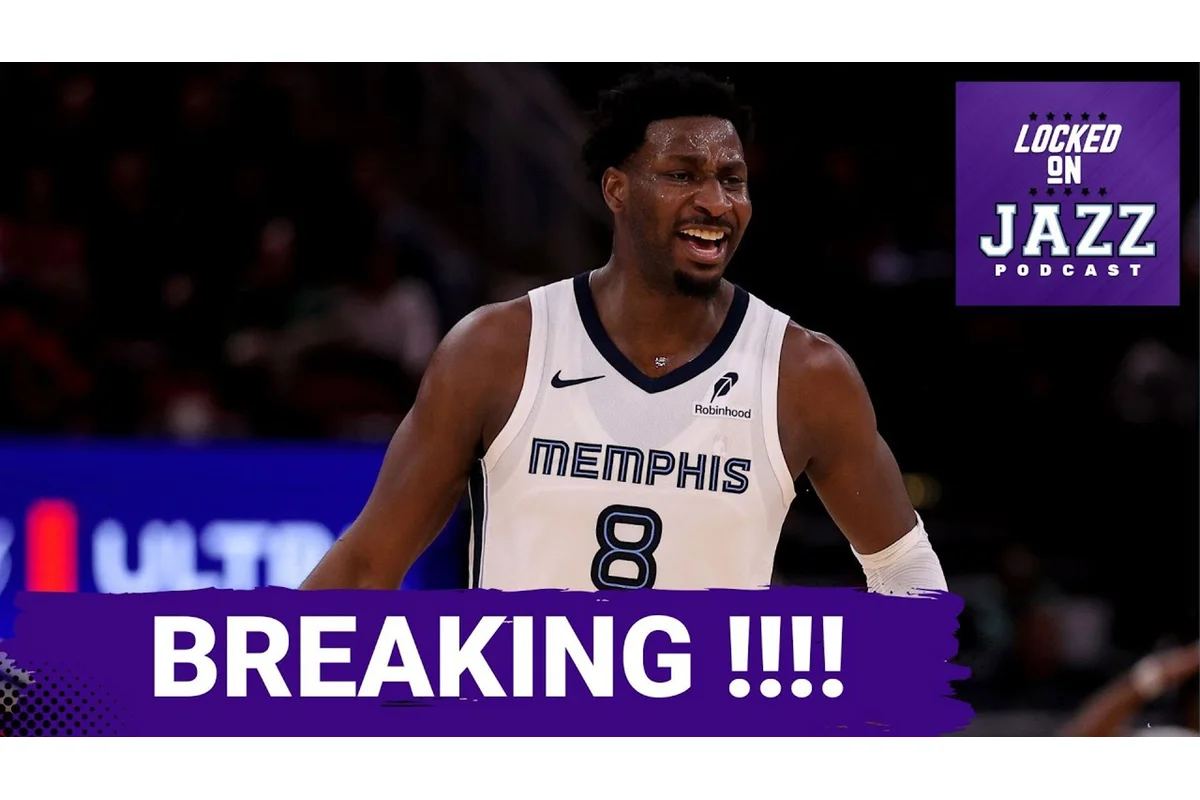
Patience will be essential, as managing Jackson’s health alongside his new teammates means cautious minutes and rest days will likely continue. The 2024-25 season appears to be one of transition before the Jazz fully capitalize on their revamped roster.
Building a Versatile Frontcourt with Jackson and Kessler
The Jazz are particularly enthusiastic about forming a formidable frontcourt, potentially featuring Jaren Jackson Jr., Lauri Markkanen, Keyonte George, Walker Kessler, and Ace Bailey in their starting lineup. This tall and dynamic group resembles successful combinations like the Cleveland Cavaliers’ unit with Markkanen, Evan Mobley, and Jarrett Allen, which posed difficulties for smaller teams.
Initially, some speculated that Jackson’s arrival signaled an exit for Kessler, but the two are viewed as complementary rather than mutually exclusive. Jackson is a versatile big man who often plays the power forward position, shoots between 35% and 40% from beyond the arc, and effectively switches defensively against quicker players. This skill set allows for both Jackson and Kessler to contribute together.
The key will be contract discussions during the upcoming offseason, where extension talks with Kessler will be pivotal. Still, the Jazz leadership believes the combination of Jackson, Markkanen, and Kessler aligns well in age and talent, offering coach Will Hardy the opportunity to experiment with one of the tallest and most unique lineups in the league.
Improving Defensive Capabilities
Defense has been a notable weakness for the Jazz during the rebuilding phase, often ranking last across various defensive metrics. While Walker Kessler has a solid reputation on defense, his efforts alone have not been sufficient to elevate the team’s defensive performance.
Although Jaren Jackson Jr. will not solve all defensive deficiencies, his ability to help defend, rotate, and control defensive gaps will bring a meaningful improvement. Jackson’s rebounding has been a relative weakness, but this is offset by Kessler’s strength in that area, giving the Jazz a more balanced defensive presence down low.
Opposing teams will face difficult choices against Utah’s frontcourt, forced to match up their centers against any of the three near seven-footers, which could open opportunities for others on the court. This bodes well for Lauri Markkanen, who has often been double- or triple-teamed in recent seasons; the added length and talent surrounding him should grant him more offensive freedom.
Analyzing the Assets Given Up in the Trade
The trade package the Jazz sent to Memphis included four players and three future first-round draft picks, a sizeable cost that reflects Jackson’s value. However, the outgoing players faced challenges establishing themselves: Taylor Hendricks had yet to meet expectations as a No. 9 draft pick, Walter Clayton Jr. struggled with inconsistency as an older rookie, Georges Niang missed the entire season due to injury, and Kyle Anderson was nearing the end of his playing career.
The picks included were the most favorable 2027 first-round pick between Utah, Minnesota, and Cleveland; a 2027 top-four protected pick from the Lakers; and a 2031 unprotected pick from the Phoenix Suns. While some of these picks are projected to be less valuable, the 2031 Suns pick carries potential as an unprotected asset, though its future value is uncertain.
Overall, the Jazz parted with peripheral roster players and mid-level draft equity to gain established contributors and a two-time All-Star, Defensive Player of the Year at just 26 years old, advancing the team’s competitive timeline.
Outlook for the Utah Jazz Moving Forward
This trade signifies the conclusion of the Jazz’s rebuilding era and the impending end of a prolonged tanking strategy. Utah has assembled a youthful and promising team poised to contend sooner rather than later in the highly competitive Western Conference.
The acquisition of Jaren Jackson Jr. sets the foundation for the Jazz’s next phase while the franchise maintains flexibility with remaining draft picks and roster versatility. Coach Will Hardy’s ability to develop this core, explore unconventional lineups, and integrate new players will be crucial as the team transitions into a contender.
What lies ahead is an exciting and intense chapter for the Utah Jazz, who now possess the pieces necessary to compete and make a meaningful impact within the NBA landscape.
“The trade for Jackson gives the Jazz a major core that has the potential to contend in the Western Conference.” ?Danny Ainge, Utah Jazz Executive
“Jackson is a versatile version of a big man who has often played at the four, shoots between 35% and 40% from 3-point range, and has no problem defensively switching onto smaller, quicker players.” ?Will Hardy, Utah Jazz Head Coach
