
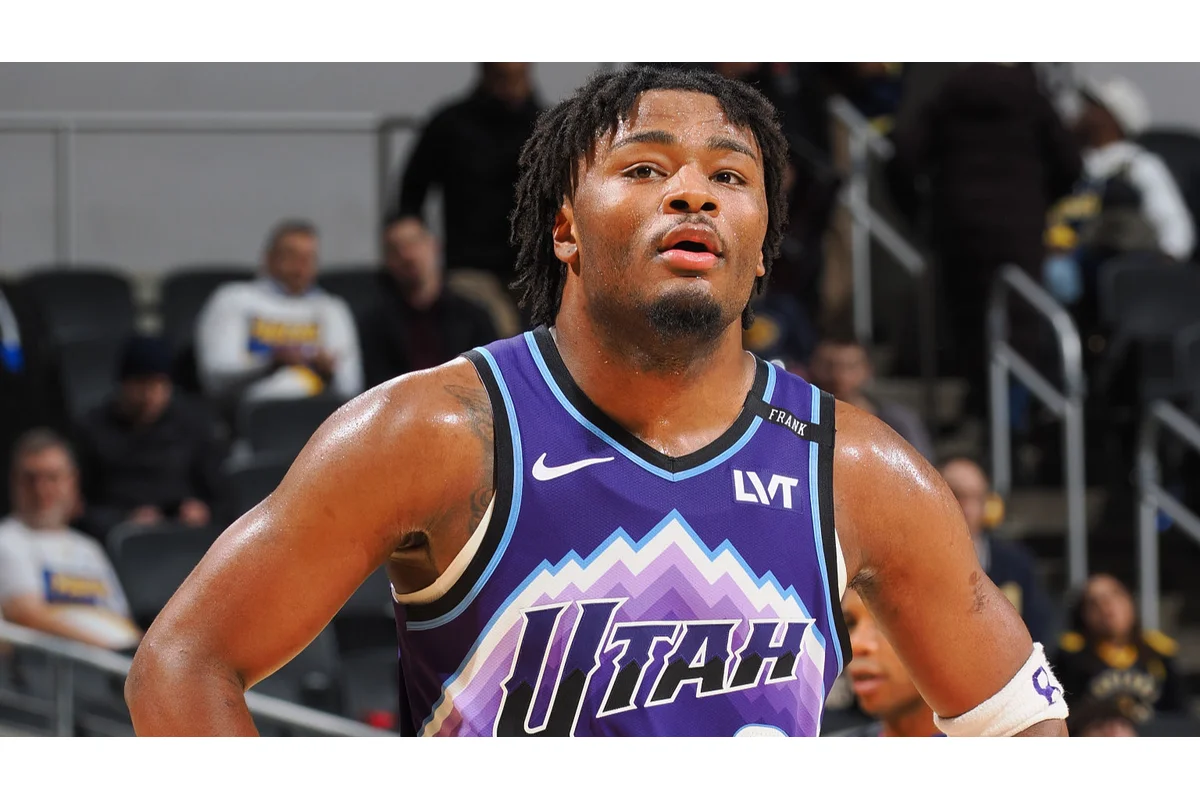
The Utah Jazz took a significant step in their Utah Jazz rebuild strategy on Tuesday by acquiring Jaren Jackson Jr. from the Memphis Grizzlies. After years of patience and piecing together assets, the team executed a deal involving four players and three future first-round draft picks, signaling a cautious yet hopeful turning point.
The franchise sent Taylor Hendricks, Walter Clayton Jr., Kyle Anderson, Georges Niang, and three future first-round picks—two in 2027 and one as far out as 2031—to Memphis. In return, the Jazz received Jackson along with Jock Landale, John Konchar, and Vince Williams Jr. This move provides Utah with a vital young star capable of anchoring their future success while maintaining financial flexibility during the ongoing rebuild.
Jackson’s Impact: Defensive Prowess and Scoring Versatility
Jaren Jackson Jr., 26, stands out as the centerpiece of the trade, bringing youthful energy and defensive excellence the Jazz have desperately needed. With three All-NBA Defensive Team selections and a Defensive Player of the Year award to his name, Jackson elevates the team’s rim protection and perimeter defense, areas that have long been problematic for Utah.
This season, Jackson has averaged nearly 20 points per game with close to six rebounds, showcasing an ability to score both inside and from distance. At 6-foot-10, he offers versatile resistance against opponents and can switch onto shooters, a critical upgrade for a Jazz team that has struggled defensively. His contract extends three more seasons, with a player option for a fourth year, offering stability for the franchise.
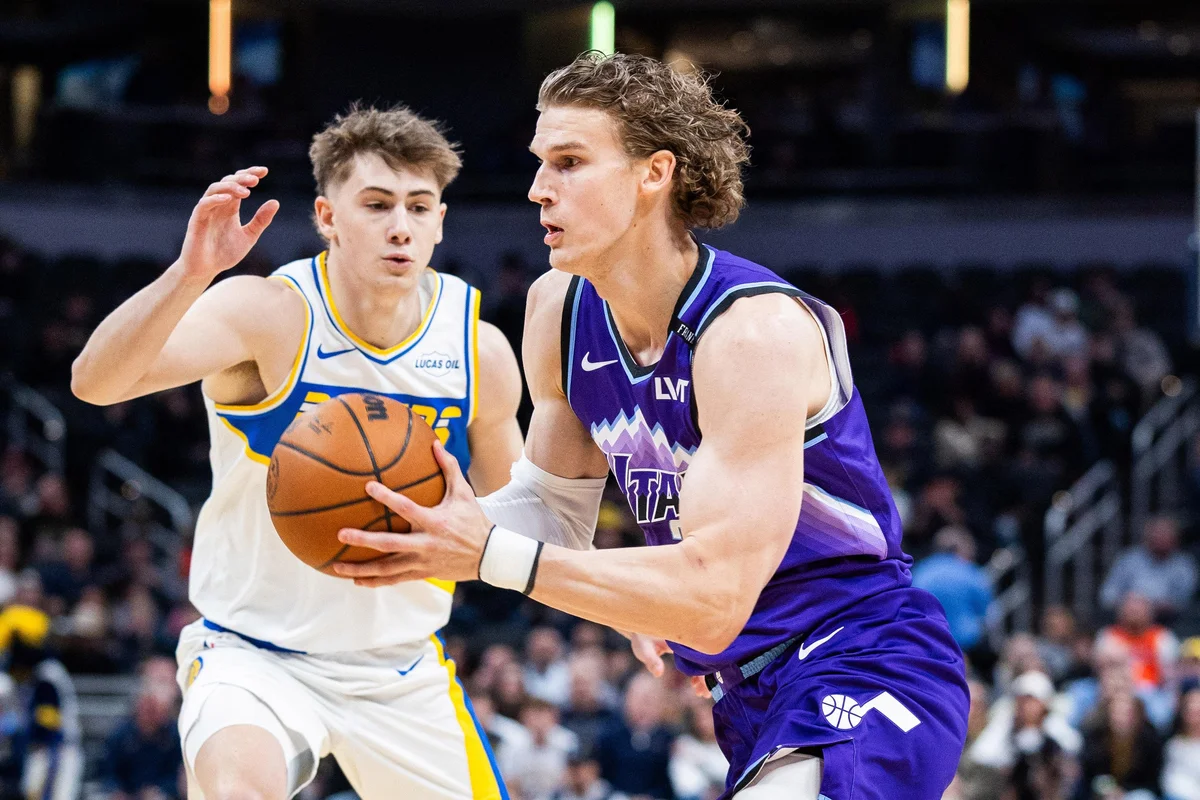
Jackson’s multi-dimensional game provides Utah with a defender and scorer capable of leading a renewed competitive push. The Jazz’s front office clearly views him as a cornerstone to rebuild around, pairing him with existing talents like Lauri Markkanen, Keyonte George, and Walker Kessler once healthy.
Building Around Jackson and Existing Young Talent
The Jazz’s roster features young role players showing promise, including Ace Bailey, whose continued development could bolster Utah’s core. Combining Jackson with Markkanen, George, Kessler, and Bailey outlines a youthful nucleus ready to grow together. Added to this mix could be a high-tier prospect from the deep 2026 NBA draft, further strengthening the team’s foundation for the coming years.
Despite the excitement, Utah’s management remains mindful of maintaining their critical draft pick from Oklahoma City. Winning too many games this season could cost them that asset, forcing the organization to balance competitiveness with long-term planning carefully.
Patient Approach to Accelerate the Rebuild
The Jazz have deliberately controlled their progression, avoiding rushing the process. They are “revving” the engine, metaphorically tuning up the new core before fully accelerating towards contention. This stance acknowledges that even with Jackson’s arrival, the team must proceed cautiously until the season concludes.
This careful handling reflects lessons learned from the franchise’s recent struggles, including extended stretches of poor performance and roster instability. Lauri Markkanen’s experience with waiting for the rebuild to take shape epitomizes the frustration mixed with hope prevalent among the players and fans alike.
“Jaren Jackson Jr. can think about hitting the throttle all he wants, but he can wait to do so.” Trent Nelson, Sportswriter
Challenges of Balancing Performance and Future Prospects
The Jazz face a complex dilemma: foster growth and contention now or preserve their draft assets for future potential stars. This conflict fosters uncertainty as some fans and observers push for a quicker competitive turnaround, while others emphasize the importance of long-term sustainability.
At stake is the team’s ability to avoid repeating past difficulties and instead ensure a stable, upward trajectory. The preservation of that coveted draft pick remains central to the organization’s Utah Jazz rebuild strategy, underpinning decisions about rotation, player development, and on-court priorities.
Next Steps and Potential Impact on the Franchise
If the Jazz succeed in balancing development and competitiveness, the combination of Jackson, Markkanen, and emerging talents could transform Utah’s prospects. Successful drafting in 2026 and continued progression from young players would allow the team to “fire up” their competitive engine post-rebuild.
This strategy could position the Utah Jazz to break free from years of losing seasons and reignite hopes of playoff contention and beyond. The infusion of Jackson’s star power and defensive skills, combined with patient management, indicates the franchise is closer than ever to rediscovering success.
“At long last, they can ditch their troubles for triumphs, or at least burn down the track, making a good, hearty run at what’s been lost for so, so long: winning.” Trent Nelson, Sportswriter
