
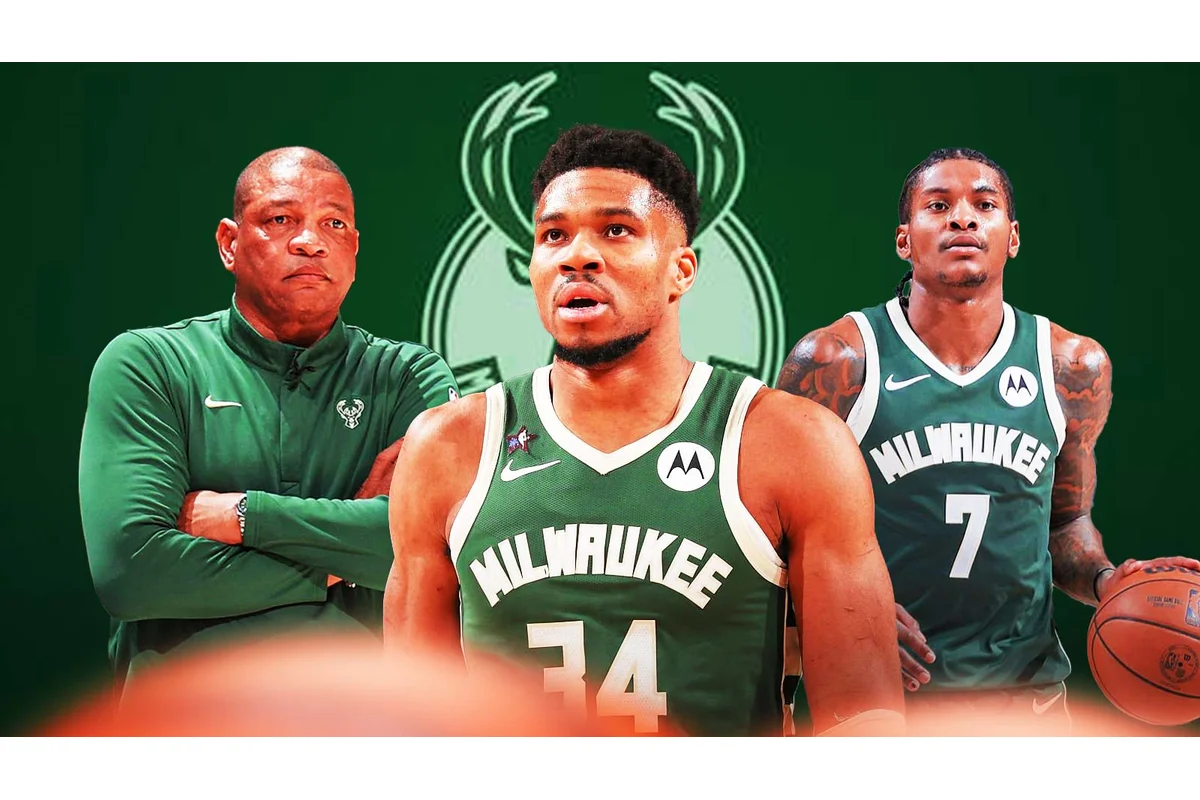
As the NBA trade deadline approached, speculations arose about the Milwaukee Bucks potentially parting ways with two-time MVP Giannis Antetokounmpo. However, the Bucks confirmed their intention to retain Giannis while completing a trade with the Phoenix Suns involving other roster players, focusing on financial maneuvering rather than blockbuster personnel changes.
The Suns traded backup center Nick Richards and forward Nigel Hayes-Davis—both on expiring contracts—to the Bucks, acquiring point guard Cole Anthony and wing Amir Coffey in return. This exchange helped Phoenix lower their luxury tax burden, while Milwaukee aimed to deepen their frontcourt options.
Players Acquired by Phoenix Focus on Roster Depth and Financial Flexibility
Though the deal was far from the headline-grabbing acquisition of a star like Giannis, the Suns achieved their primary objective of shedding salary to stay below the luxury tax threshold. By moving Richards and Hayes-Davis, Phoenix opened financial space while adding Cole Anthony and Amir Coffey as potential rotation players.
Cole Anthony, the son of former NBA player Greg Anthony, adds depth at the point guard position. The 25-year-old, a former 15th overall draft pick by the Orlando Magic, appeared in 35 games for Milwaukee this season, averaging 6.7 points, 3.5 assists, and 2.5 rebounds in just over 15 minutes per game. His shooting efficiency has declined this year, notably with a 30.6% mark from three-point range and a career-low 61.5% from the free-throw line, contrasting sharply with his earlier performance levels.
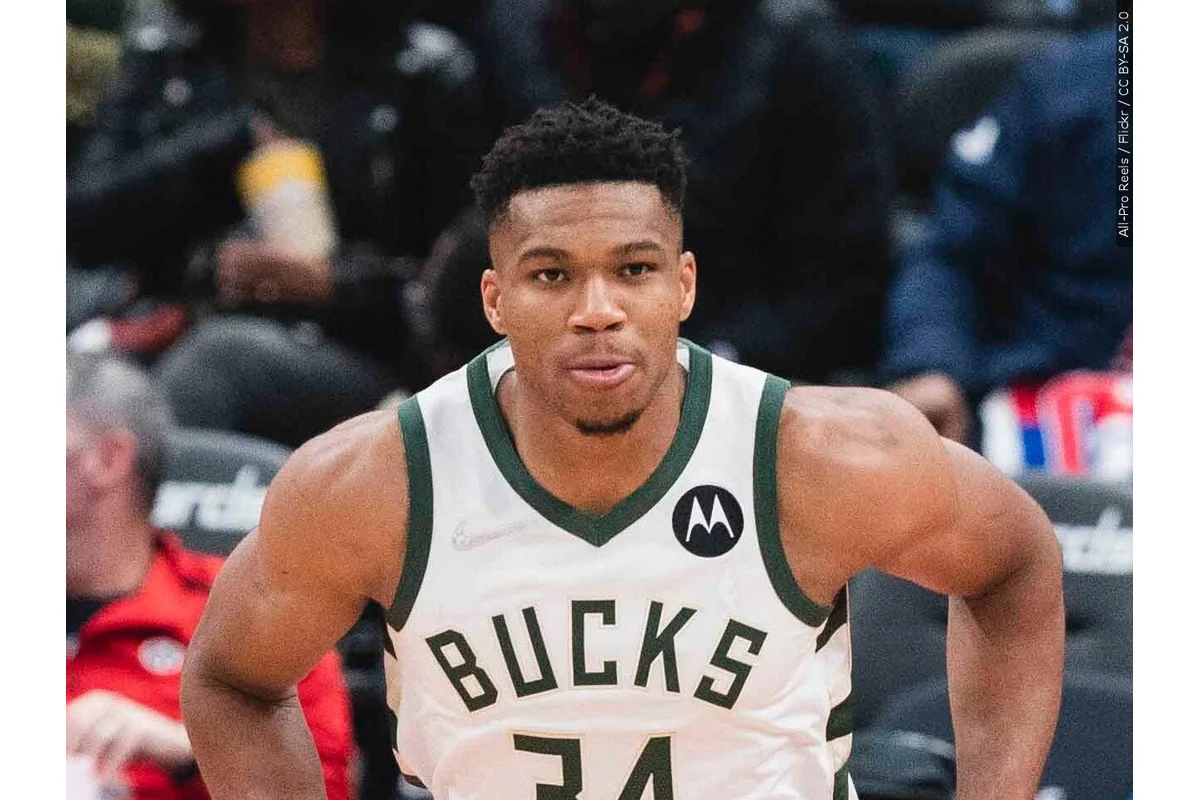
Anthony’s sophomore season with Orlando was the peak of his career, where he averaged 16.3 points, 5.7 assists, and 5.4 rebounds per contest, starting every game. However, his role and playing time decreased over subsequent seasons due to injuries and team dynamics, which continued during his time in Milwaukee. Currently, it is unclear whether Anthony can surpass Jamaree Bouyea, a consistent two-way contributor, on the Suns’ depth chart, unless he revives the form from his earlier seasons.
Amir Coffey joins the Suns following six seasons with the Los Angeles Clippers and a partial season in Milwaukee. Coffey’s best statistical stretch was last season when he started 13 of 72 games for the Clippers, averaging 9.7 points and shooting 40.9% from beyond the arc. However, his shooting accuracy from deep has since declined, dropping to 28% in his time with the Bucks amid limited minutes. Phoenix will likely look for Coffey to regain the three-point consistency that made him a valuable bench piece in Los Angeles, but his role is expected to remain that of a supporting player rather than a key contributor.
Overall, the Suns prioritized financial considerations and roster flexibility in this trade, acquiring only expiring contracts with no long-term salary commitments. The additions of Anthony and Coffey primarily offer incremental depth rather than a significant upgrade to the team.
Suns grade for the trade: B
Bucks Strengthen Frontcourt Depth with Richards and Hayes-Davis Influx
From Milwaukee’s perspective, the trade brings two frontcourt players who can provide additional depth. Nick Richards, previously a backup center in Phoenix, was underutilized behind starters Mark Williams and Oso Ighodaro. The Bucks appear poised to offer Richards more minutes, especially after the recent departure of Nikola Vucevic to the Boston Celtics, which has created a vacancy in Milwaukee’s center rotation.
Nigel Hayes-Davis enters the Bucks roster after a challenging adjustment period in the NBA. Despite impressive credentials in European basketball, including consecutive All-Euroleague First Team honors while playing for Fenerbahce Istanbul with averages of 16.7 points, 45.6% shooting, and 41% from three-point range, Hayes-Davis has struggled to translate that success to the NBA level.
In Phoenix, Hayes-Davis saw limited action, averaging under eight minutes across 27 games and converting only 12.5% of his three-point attempts. Milwaukee might offer a fresh environment that could help the 6-foot-8 forward find his footing in the league, but immediate impact remains uncertain. Richards, in contrast, likely represents a more straightforward addition to the Bucks’ depth chart.
For the Bucks, this trade centers more on fortifying bench support rather than acquiring star power. It aims to provide relief at critical positions while maintaining flexibility heading deeper into the season.
Bucks grade for the trade: B
Implications and Future Outlook Following the Trade Deadline Actions
This trade highlights how teams like the Suns and Bucks are managing their salary caps and roster configurations ahead of the playoff push. Phoenix successfully reduced their luxury tax liability without sacrificing future flexibility, while Milwaukee added depth to address gaps created by recent roster moves.
While neither side landed a marquee player in this exchange, the moves signal strategic priorities focused on financial health and depth maintenance. The Bucks’ decision to retain Giannis Antetokounmpo ensures continuity around their franchise cornerstone, while the Suns’ maneuvering reflects calculated cost control as they evaluate their roster moving forward.
Both teams face the challenge of integrating new players and fine-tuning rotations as they advance toward the final stretch of the regular season. How Cole Anthony, Amir Coffey, Nick Richards, and Nigel Hayes-Davis perform in their new roles will likely influence minute distributions and potential future transactions for either squad.
The Milwaukee Bucks have indicated to teams that they are keeping Giannis Antetokounmpo through the trade deadline and will start making other trades, sources tell ESPN.
— Shams Charania (@ShamsCharania) February 5, 2026
