
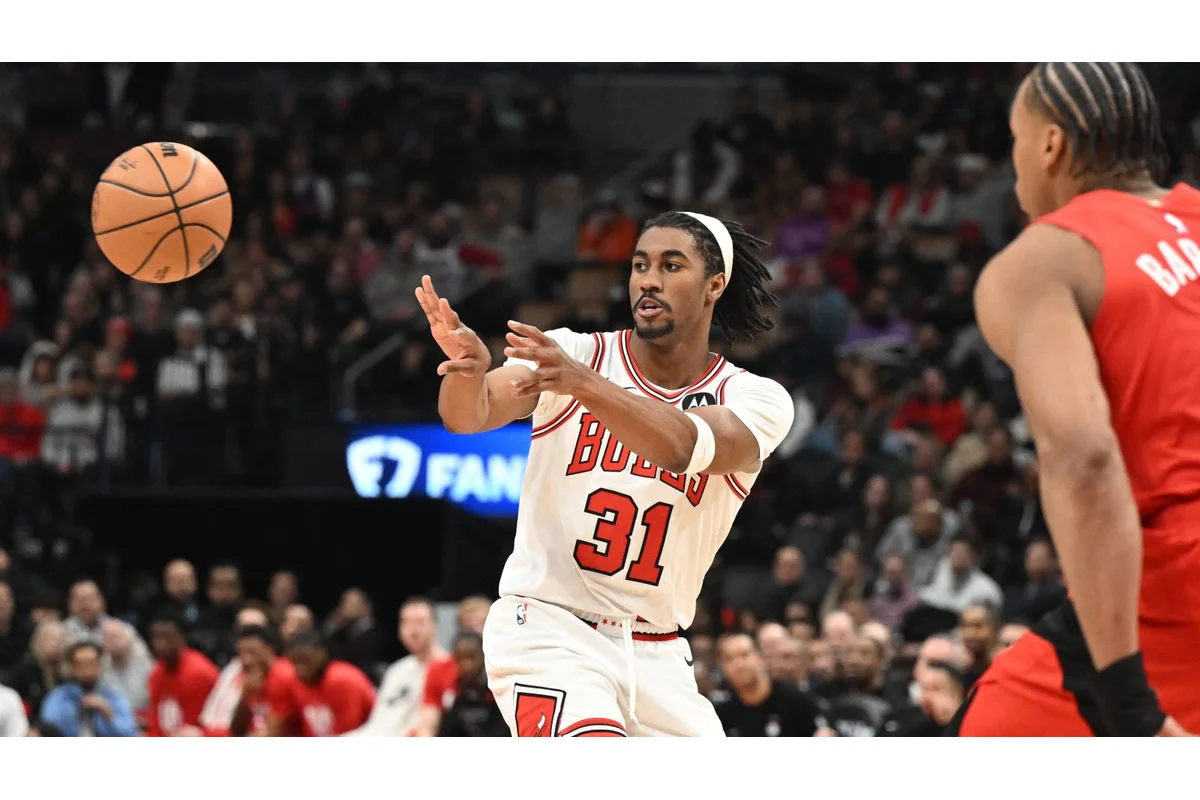
Jaden Ivey, the former Detroit Pistons guard, has appeared in two games with his new team, the Chicago Bulls, but his performance remains inconsistent. Despite receiving increased playing time of over 30 minutes per game with the Bulls compared to his 18 minutes per game in Detroit, Ivey continues to struggle with ball control and posts a deeply negative net rating.
Although he is no longer with the Pistons, Ivey’s status as the former number five overall pick and his current placement on a division rival team ensures ongoing attention from fans and analysts alike. This season is still young, but there are already signs suggesting his move might come with significant risks and rewards.
Examining the Bulls’ Roster Moves and the Impact on Ivey’s Future
The Chicago Bulls are currently in a state of flux, having added five combo guards around the trade deadline, resulting in an overcrowded backcourt. Their poor performance this season complicates the evaluation of Ivey’s development and his fit within the team.
With so many players competing for minutes, the Bulls may face tough decisions heading into restricted free agency. This scenario could force Ivey to make a critical decision about his contract and future, potentially betting on himself under pressure.
Cam Thomas’ Experience Serves as a Warning for Ivey
The situation faced by former Brooklyn Nets guard Cam Thomas may offer a glimpse into what lies ahead for Ivey. Thomas, who was known primarily as a scoring guard with limited defensive skills, was waived after accepting a qualifying offer, an attempt to bet on his own growth that did not pay off.

Currently a free agent on the buyout market, Thomas’s future is uncertain. While some teams may be tempted by his scoring ability, he risks going unclaimed and potentially missing out on next season entirely.
If Ivey does not receive the contract extension he desires during restricted free agency, he could be confronted with a similar crossroads: accept a qualifying offer to rebuild his value or seek opportunities elsewhere. Taking the qualifying offer might allow him to regain full strength and aim for a better long-term contract, but it also harbors the risk of career stagnation or decline, as seen with Thomas.
The High Stakes of Betting on Oneself in Today’s NBA Environment
Thomas’s story highlights how precarious it can be for undersized scoring guards who do not contribute much defensively, given the NBA’s evolving priorities. Accepting a qualifying offer might end up being a player’s highest earning season if things don’t go as planned.
For Ivey, whose skill set includes both scoring and potential for defensive improvement, the stakes are significant. A misstep could limit future chances, as the league is known for quickly moving on from players who fail to meet expectations.
The upcoming offseason will be a critical period for Ivey, as the advice he receives and the decisions he makes could determine the trajectory of his NBA career. While the current outlook is tense, his underlying potential means there is still a chance to turn the situation around and establish a lasting presence in the league.
