
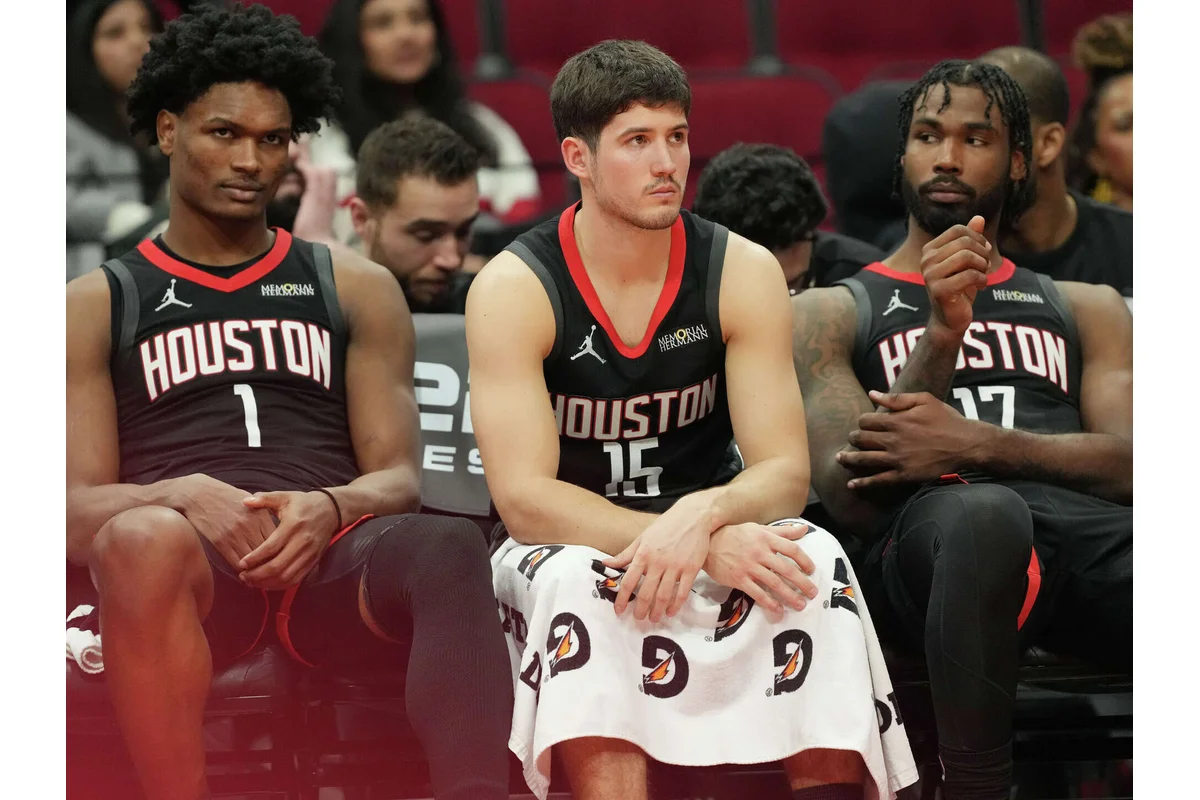
The Houston Rockets made headlines at the NBA trade deadline by choosing not to engage in any player transactions, a notable decision within the league’s flurry of activity. This quiet approach, marking the Rockets as one of the few teams to remain inactive, stemmed from a careful evaluation of their roster and financial limitations, underscoring their commitment to a long-term rebuild rather than short-term fixes.
Structural Challenges Limited Houston’s Trade Opportunities
According to Rockets general manager Rafael Stone, the team did explore potential trades but was ultimately constrained by a tough financial framework. Operating under a first-apron hard salary cap greatly restricted Houston’s ability to absorb extra salary, a key factor that hindered meaningful trade possibilities. Despite some claims from league insiders that the Rockets did not seriously pursue deals, the team’s assessment reflected a preference for maintaining roster chemistry and financial flexibility over minor roster tweaks.
Young Core and Veteran Contracts Restrict Trade Flexibility
The Rockets hold valuable assets, particularly in their young starters like Tari Eason, Jabari Smith Jr., and rookie Reed Sheppard, all regarded as essential to the franchise’s future success and thus off-limits in trade discussions. For instance, rumored talks involving Bulls guard Coby White fell through when Chicago demanded Eason, a price Houston was unwilling to pay for a player who would not significantly alter their franchise outlook. Veterans such as Dorian Finney-Smith and Steven Adams, both locked into multi-year deals, offer limited trade value. Adams’ season-ending injury further reduced the Rockets’ options for reshaping their frontcourt without weakening their rotation.
Resisting Trades Supports Houston’s Long-Term Rebuild Strategy
Despite disappointing recent performances, the Rockets declined to sacrifice young talent for short-lived improvement. With no expiring contracts or excess veterans to leverage, and constrained cap space, Houston lacked the necessary assets to arrange a balanced trade. Their decision to stand pat reflects a focus on preserving the developmental path of their promising players. This approach suggests Houston prefers to rely on its blend of youthful players and seasoned veterans as they aim to build a competitive playoff team over time.
