
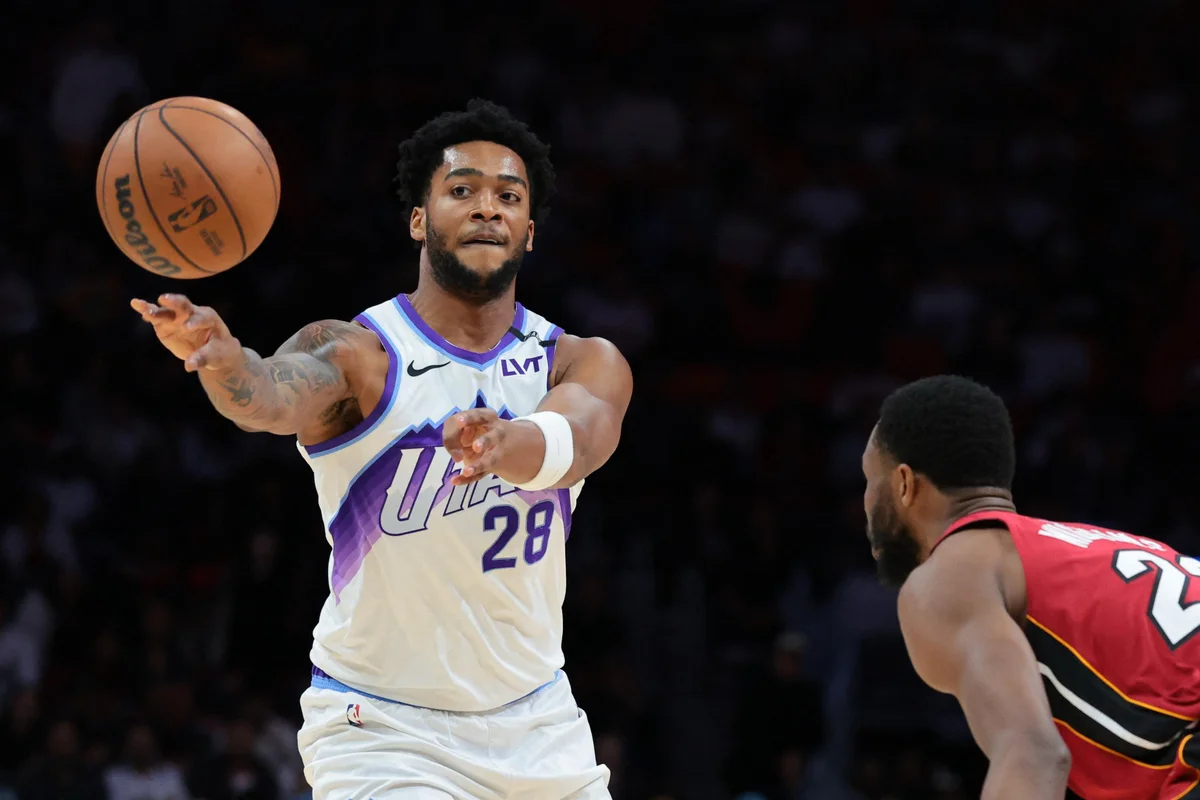
On February 7, the Utah Jazz faced the Orlando Magic in a game that left many fans deeply frustrated. For the first time in over three decades, long-time supporters expressed shame over the team’s performance. Enthusiasm for the refreshed lineup and hopes of a playoff run faded as the star players appeared disengaged in the final quarter, sitting on the bench laughing with towels covering their faces while the Jazz fell behind. This unsettling scene did not go unnoticed by viewers of Talkin’ Sports, where commentator Dave Fox, constrained by his role at the Jazz’s television station, refrained from commenting despite his own disappointment. The sense of betrayal felt by fans extends all the way to Utah Jazz owner Ryan Smith, whose leadership now faces serious questions.
Fan Backlash Highlights Concerns Over Team Integrity
When Gail Miller sold the Utah Jazz to Ryan Smith, many believed the longstanding values she championed would persist, including a steadfast commitment to winning. However, the recent events have fueled speculation that the team may be deliberately underperforming. Historically, deliberate losses in professional sports invited severe penalties, including hefty fines or even criminal charges. Today’s NBA appears to have loosened those standards, leaving fans alarmed and demanding accountability for what they suspect is intentional losing.
Calls for Transparency and Accountability from Ownership
Among the many voices expressing frustration is Joni Flint from Brookside, who urges Ryan Smith to communicate openly with season ticket holders. She insists Smith should clarify whether the team plans to continue competing seriously or is effectively conceding the remainder of the season. Flint believes that if the team intends to forfeit games, fans deserve refunds for their season tickets and honest explanations, especially to the young audience attending games, who deserve clarity around the team’s future.
Flint also argues that if the decision to lose intentionally stands, Smith should consider withdrawing the Utah Jazz broadcast from channels like KJAZZ to avoid misleading fans about the team’s commitment. The disappointment runs deep, capturing the feelings of many who once admired the Jazz’s dedication to
“go out there and try to win every game.”
Implications for the Utah Jazz’s Future and Fan Trust
The controversy surrounding the Utah Jazz’s recent performance threatens to damage the franchise’s reputation and relationship with its loyal supporters. If the perception of intentional losing persists, it could lead to declining attendance, lost broadcasting opportunities, and diminished community support. How Ryan Smith addresses these concerns in the coming weeks may determine whether the team can regain fan trust and restore its standing in the competitive NBA landscape.
