
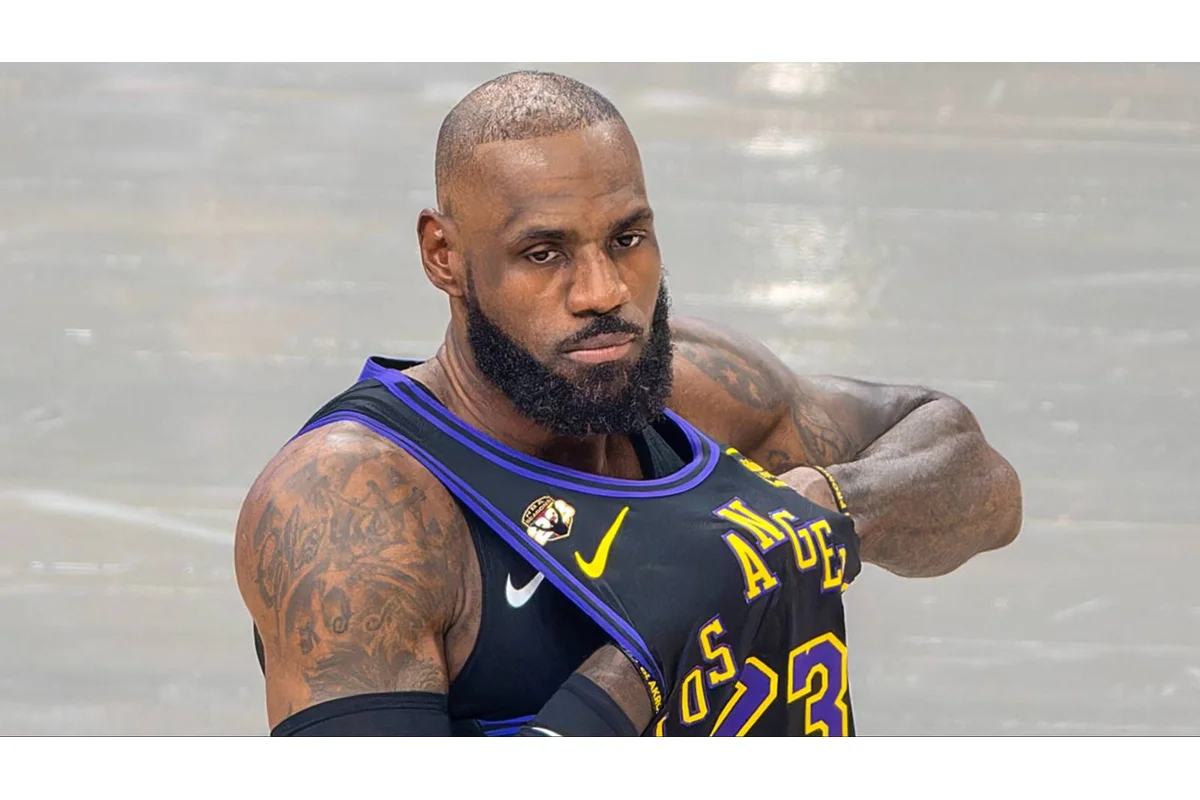
The Los Angeles Lakers made the decision to rest LeBron James during their recent loss to the San Antonio Spurs, removing him from contention for All-NBA honors this season due to the NBA’s 65-game minimum rule. James, who had appeared consecutively on All-NBA teams for 21 years, is now ineligible after playing fewer than 65 games this year. While this ended a historic streak, it allows the Lakers to concentrate on preserving their star’s energy for the upcoming playoff run.
At 41 years old, James has endured a demanding season, appearing in 17 straight games prior to his rest. Fans and analysts noticed his physical strain, reflected in his recent shooting struggles—only six of 29 three-point attempts made in his last seven contests. His legs haven’t delivered the explosiveness expected from his prime, signaling that expecting elite-level performance nightly is unrealistic for a player at his stage of career.
Strategic Advantages as Lakers Aim for Higher Playoff Seed
Currently, the Lakers hold the fifth spot in the Western Conference standings, trailing the third-place team by just 1.5 games. Moving up to the top three would help Los Angeles avoid facing the Oklahoma City Thunder early in the postseason. With 28 games remaining after the All-Star break, the Lakers’ priority is ensuring LeBron James, alongside teammates Austin Reaves and Luka Doncic, are in peak form when the playoffs begin.
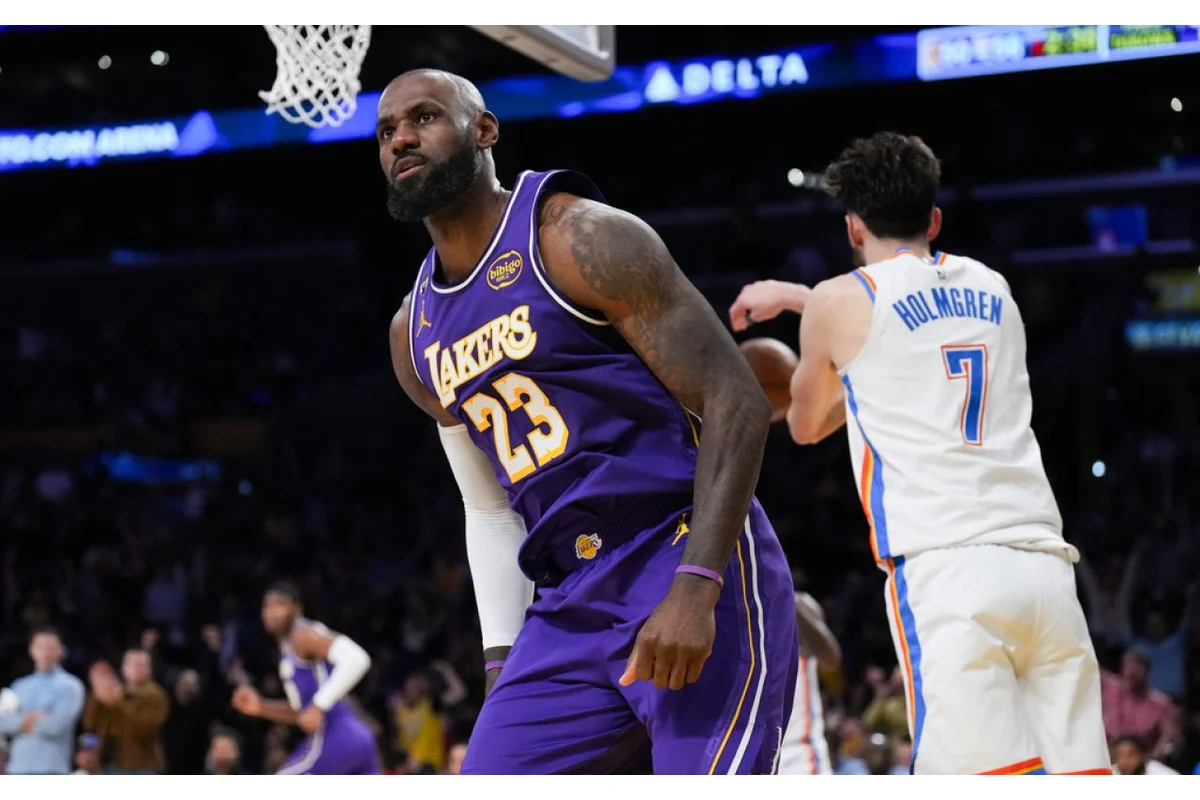
Given that this is likely James’s final season with the Lakers, the franchise is determined to maximize his impact during the most crucial moments. Attempting to push him through every regular-season game could jeopardize this goal. Starting rest and recovery plans now will better position James to be near full strength in the postseason, enabling the team’s championship aspirations to remain alive.
LeBron’s Flashes of Peak Performance Highlight Playoff Potential
When healthy, LeBron has shown he can still perform at an elite level. Highlights include a commanding December win over the Philadelphia 76ers and dominant performances against the Atlanta Hawks and New Orleans Pelicans in January. These moments demonstrate the type of contribution the Lakers need from their leader in the playoffs. Removing the pressure to chase individual awards allows the team to focus on getting LeBron physically ready for the challenges ahead.
Though James enjoys playing in every city and entertaining fans, both he and the Lakers recognize that his legendary career is approaching its twilight and that the team’s immediate title prospects are tempered. The collaboration between player and organization to limit overexertion and emphasize rest is critical to maintaining James’s effectiveness during the postseason push.
Rest Management Key to Maximizing LeBron’s Playoff Impact
To preserve James’s elite performance capability, the Lakers should consider resting him during back-to-back games and scheduling breaks throughout stretches involving four games in five nights. With no restrictions stopping the franchise from implementing these rest strategies, Lakers fans should expect James to miss additional regular-season games following the All-Star break as management prioritizes his health for playoff battles.
This approach is justified only because James’s All-NBA award pursuit has ended. The decision to rest the star forward now could be the Lakers’ best bet at advancing deep into the postseason with him leading the charge.
