
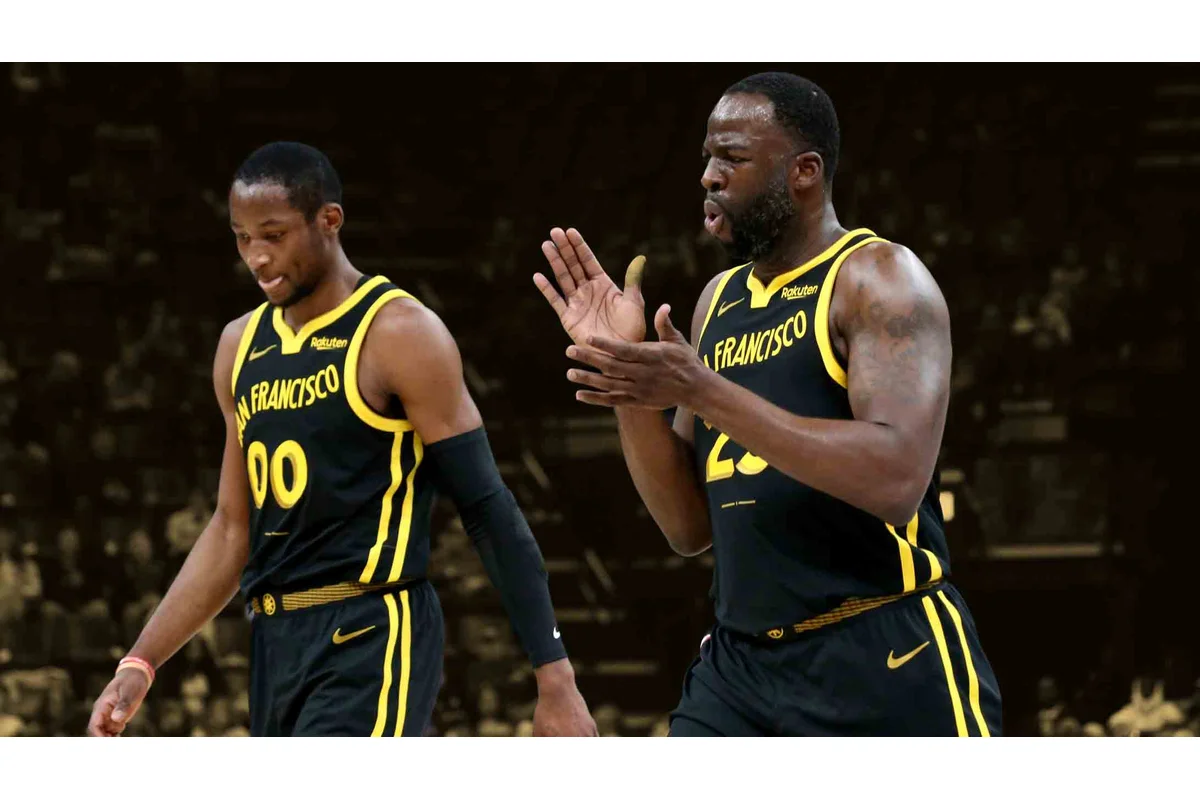
Golden State Warriors head coach Steve Kerr has lost confidence in Jonathan Kuminga as a long-term asset, despite the young player’s evident talent. After an initially promising start, Kuminga’s playing time sharply declined following the season’s first month, leaving fans puzzled about the reasons behind his sudden fall out of favor. The friction, centered around the young forward’s role clarity and usage, ultimately led to strained relations within the team.
According to an ESPN report by Anthony Slater, Kerr expected Kuminga to model his play after established energy wings like Denver Nuggets star Aaron Gordon and NBA great Shawn Marion. Kerr valued Kuminga’s ability to contribute as a versatile defender, rebounder, and fast-break finisher, operating primarily in a supporting, off-ball capacity.
“Kerr had long made comparisons to Shawn Marion and Aaron Gordon, believing Kuminga’s best career stretches came as an energy wing who sprinted the floor, operated out of the dunker spot, rebounded, defended with versatility and didn’t need offense run through him.
But as Kuminga’s career developed, Kuminga believed he’d shown enough in supplementary roles to have earned more consistent trust and on-ball opportunity. Neither happened to his liking, sources said.”
—Anthony Slater, ESPN
While Kerr pushed for Kuminga to embrace this role, the player himself expressed a desire to expand his offensive game and handle the ball more frequently. This clash over developmental direction created tension and a breakdown in collaboration that became evident by the trade deadline.
General Manager’s Position Aligned with Kerr’s Vision
Compounding Kuminga’s difficulties was the stance of Warriors General Manager Mike Dunleavy Jr., who apparently shared Kerr’s view of Kuminga’s optimal role on the team. Dunleavy supported the idea that Kuminga should focus on being an energy wing rather than a primary offensive option, which further diminished Kuminga’s opportunities to showcase his all-around game.
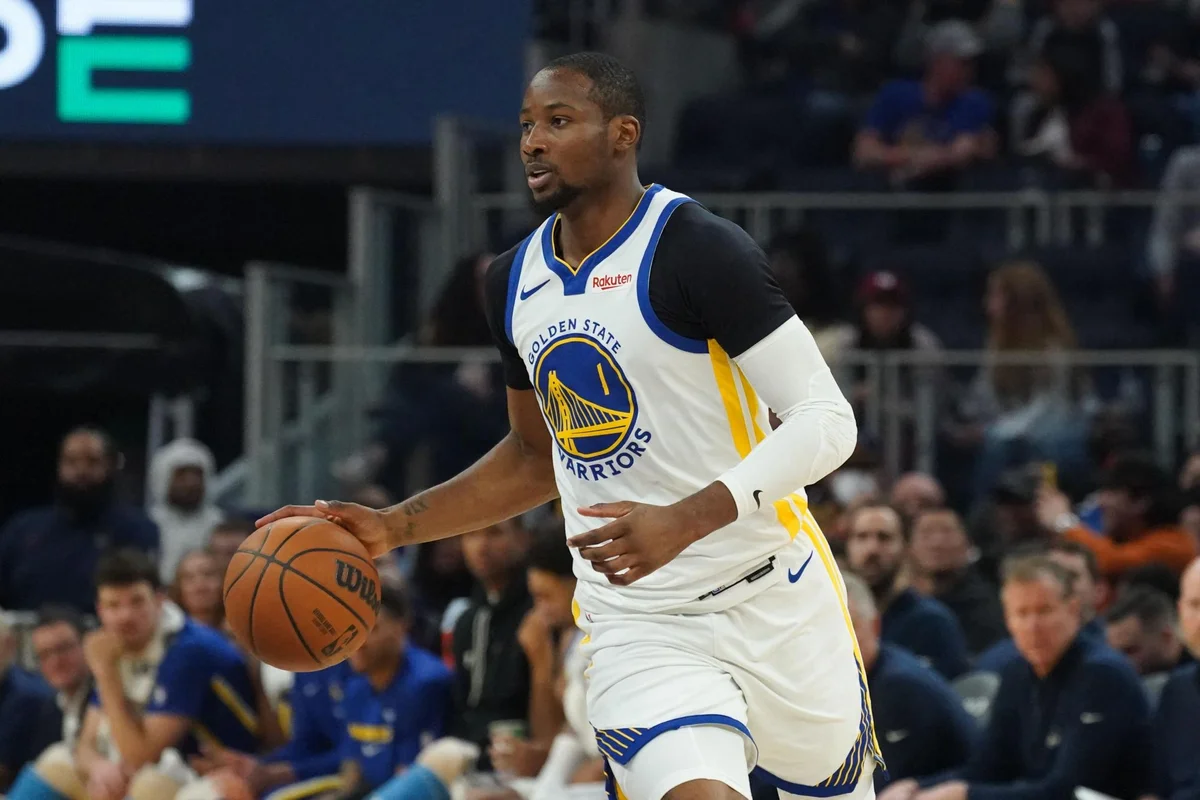
Kuminga grew increasingly frustrated as neither Kerr nor Dunleavy entrusted him with substantial on-ball responsibilities. When Kuminga attempted to take more shots without demonstrating consistent commitment to the assigned role, his minutes diminished sharply. This led to confusion among fans and insiders alike when Kerr stated not knowing why Kuminga was unavailable for certain games, yet also refrained from playing him despite his availability.
The discord reached an irreparable point, with Dunleavy openly criticizing Kuminga’s availability issues following the Warriors’ acquisition of Kristaps Porzingis at the trade deadline, signaling a decisive end to their support for the young forward.
Opportunities Await in Atlanta to Redeem and Prove Worth
The Atlanta Hawks, in contrast, took a different approach by acquiring Kuminga at the deadline and signaling their intention to develop him as a significant part of their future core. The Hawks’ roster provides more room for Kuminga to earn consistent playing time and to expand his offensive responsibilities, potentially allowing him to demonstrate the versatile skill set he aims to cultivate.
Golden State faces the challenge of rebuilding its depth and adding star talent during the offseason, particularly to bolster Stephen Curry’s chances of contending for another championship. In this context, Kuminga’s future success with Atlanta may retroactively reflect poorly on Kerr and Dunleavy’s judgment if the player flourishes elsewhere.
The Warriors and Kuminga both stand at crucial crossroads following the trade. If Kuminga excels with the Hawks, questions will intensify about the Warriors’ decision to limit and ultimately part ways with a promising talent. Conversely, if Kuminga struggles, the narrative could vindicate Golden State’s firm stance. Either outcome will significantly impact the reputations of both sides moving forward.
