
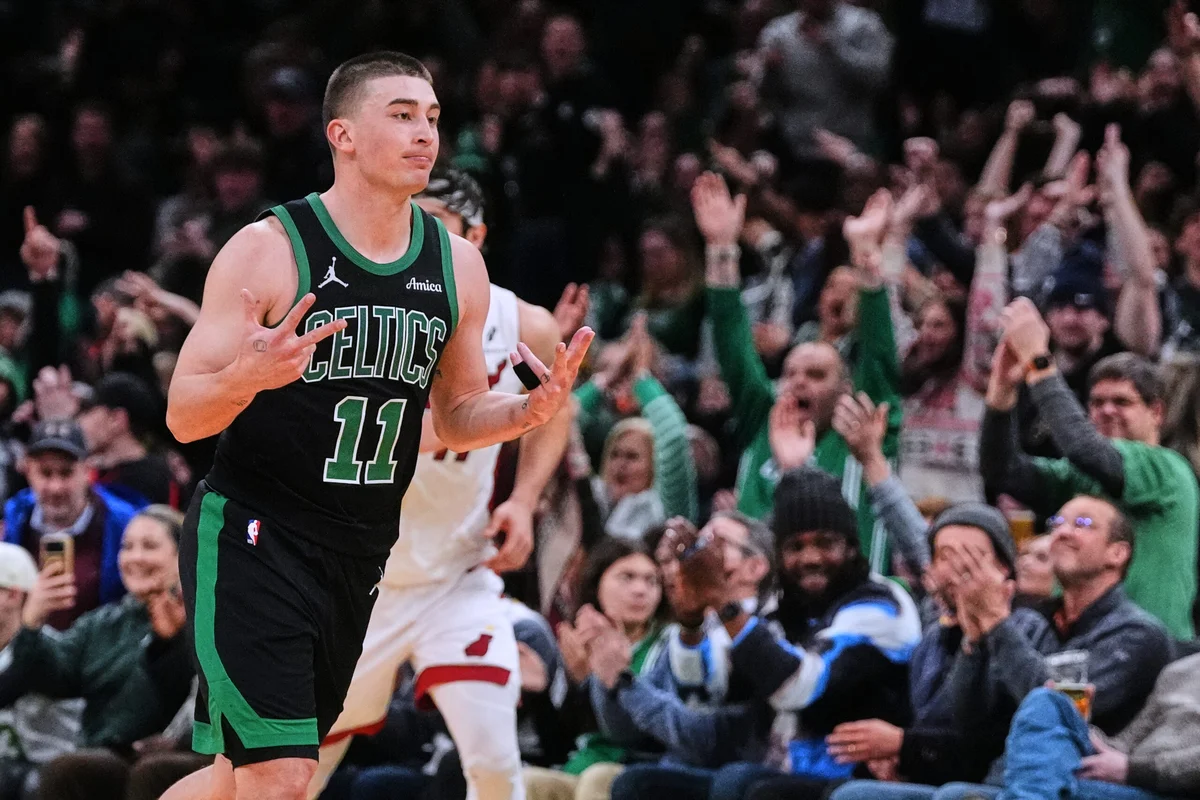
In a move that has reshaped the Boston Celtics’ roster dynamics this season, Payton Pritchard transitioned from a starting spot to leading the second unit off the bench. This adjustment, occurring after the Celtics traded Anfernee Simons, leverages Pritchard’s proven ability as a scorer and playmaker and highlights the importance of the “Payton Pritchard sixth man” role in maintaining offensive stability.
Pritchard’s Impact as the Celtics’ Key Bench Leader
While many NBA players consider shifting off the starting lineup a setback, Pritchard’s return to the bench role actually aligns with his strengths and does not signal a reduction in importance. Head coach Joe Mazzulla has intentionally placed him back where he excels—guiding the second unit with high minutes and heavy offensive responsibility. Simons’ departure left a gap in scoring off the bench, and Pritchard has stepped up, providing reliable shot creation and consistent point production, despite not always receiving widespread recognition from the league.
In five recent games starting from the bench, Pritchard has logged over 30 minutes per game and delivered more than 20 points in four of those contests. His steady scoring and playmaking prove this transition is more an adjustment than a demotion.
How the Sixth Man Role Affects Team Dynamics
Describing Pritchard merely as a backup understates his real role on the Celtics. Beyond coming off the bench, he features prominently in the team’s closing lineup and matches starters in playing time. His late-game presence ensures the second unit sustains offensive momentum without a drop-off.
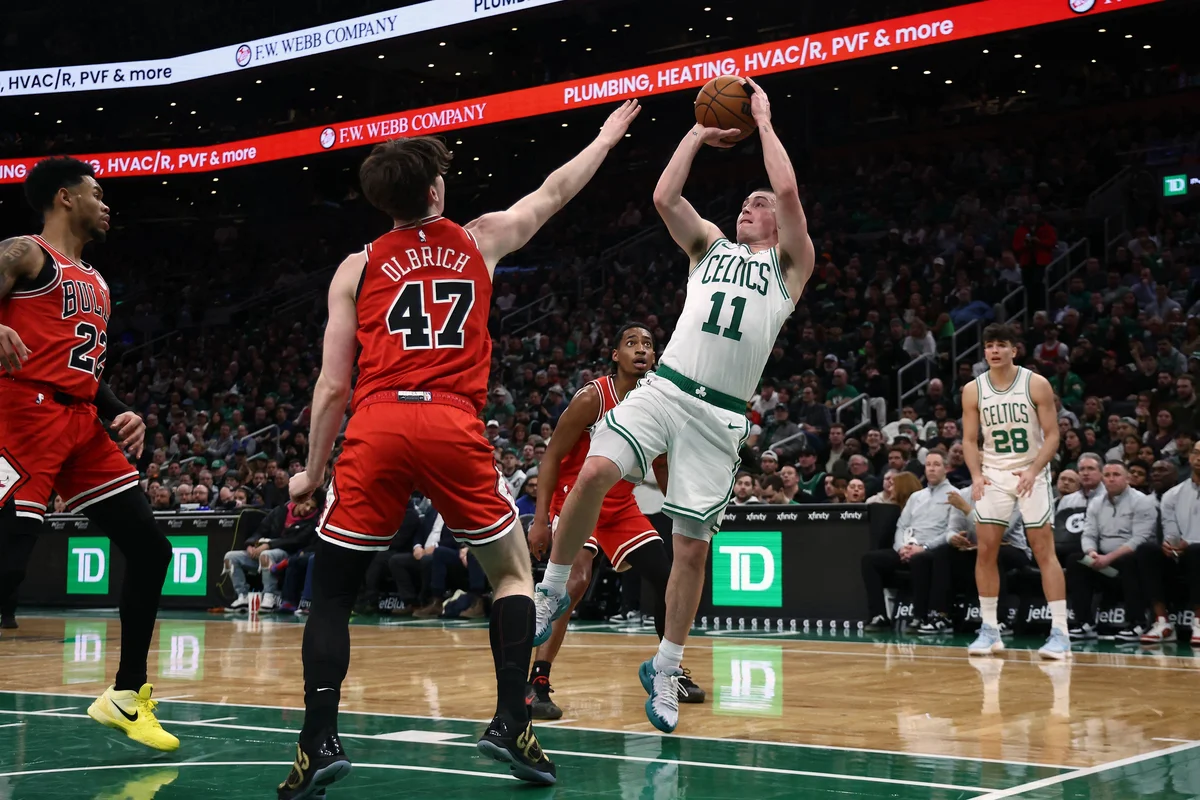
This change has also influenced Derrick White’s role. With Pritchard moving back to the bench, White has taken on the primary point guard duties rather than sharing the position. This shift appears to have benefited White’s playmaking, as evidenced by his average of roughly seven assists per game over the last five contests—including a notable nine-assist performance against the Chicago Bulls. Whether this was the explicit goal by Mazzulla is uncertain, but the improvement in White’s distribution is a clear advantage.
Starter Replacement and Ongoing Experimentation
Baylor Scheierman has stepped into Pritchard’s starting backcourt position. Although not expected to duplicate Pritchard’s scoring output, Scheierman’s recent performances have justified the Celtics’ decision to explore this lineup change beyond the All-Star break. February traditionally serves as a period for roster experimentation, and the Celtics’ efforts to balance improved bench production with starting lineup adjustments are no exception.
Even if Scheierman occasionally shows inconsistency, the Celtics’ strategy centers on maximizing Pritchard’s proven effectiveness off the bench. Given how comfortable Pritchard is in this role, maintaining the current structure may deliver more sustained success than risking a premature shift back to the previous configuration.
Overall, Payton Pritchard’s shift to the sixth man role reinforces his value to the Celtics and exemplifies how the right player placement can benefit the entire team. As this approach continues, Boston’s coaching staff will evaluate if this balance of starters and bench contributors sustains their competitive edge heading toward the season’s critical moments.
