Recent disclosures tied to the Jeffrey Epstein case have shaken one of the basketball world’s leading player agencies, which represents top NBA talent like Rui Hachimura. The controversy surrounds Wasserman Group and its CEO Casey Wasserman, whose past communications with Ghislaine Maxwell have sparked intense public backlash, triggering client departures and reputational damage for the agency deeply embedded in professional sports.
The documents released revealed personal emails from 2003 between Wasserman and Maxwell, surfacing as part of mandatory government disclosures linked to Epstein’s investigations. The backlash has been swift, with prominent clients distancing themselves from the agency amid growing pressure. Among those who left are singer Chappell Roan and soccer star Abby Wambach, whose departure signals broader dissatisfaction and fear of association with the scandal.
Leading Athletes Severing Ties, Voice Criticism Emerges
“Casey should resign. He should leave, so more people like me don’t have to,”
Abby Wambach said in a statement.
Singer Chappell Roan echoed a call for accountability, explaining her decision by stating,
“reflects my belief that meaningful change in our industry requires accountability and leadership that earns trust.”
Former U.S. Women’s National Team goalkeeper Hope Solo directed harsh criticism toward current NBA clients represented by Wasserman’s agency, saying,
“It’s easy to speak out when it’s a popular sentiment or when there is nothing to lose. Their current silence is deafening.”
Their reluctance to respond publicly has fueled growing frustration among observers and athletes alike.
Casey Wasserman’s Response and Agency Influence
Casey Wasserman issued a public apology for his correspondence with Ghislaine Maxwell, stating,
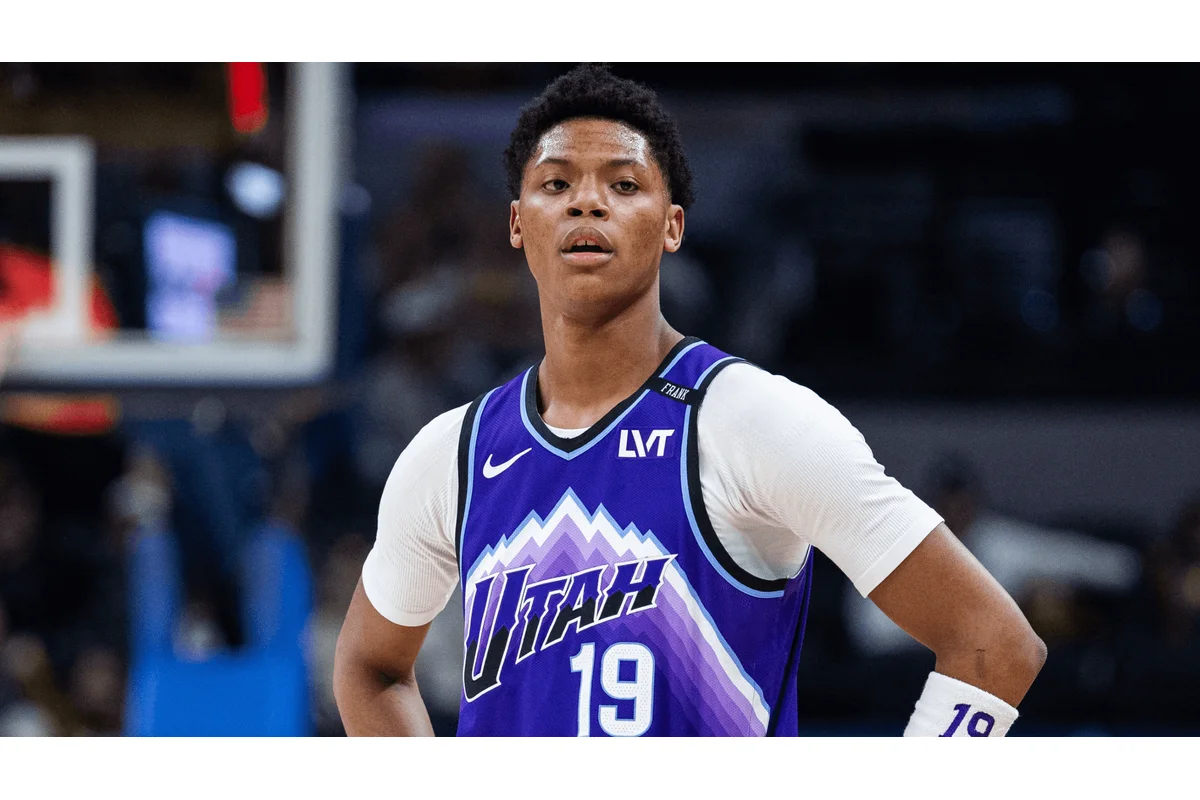
Image of: Rui Hachimura
“I deeply regret my correspondence with Ghislaine Maxwell,”
while denying any personal or business relationships with Jeffrey Epstein himself. Wasserman added,
“As is well documented, I went on a humanitarian trip as part of a delegation with the Clinton Foundation in 2002 on the Epstein plane. I am terribly sorry for having any association with either of them.”
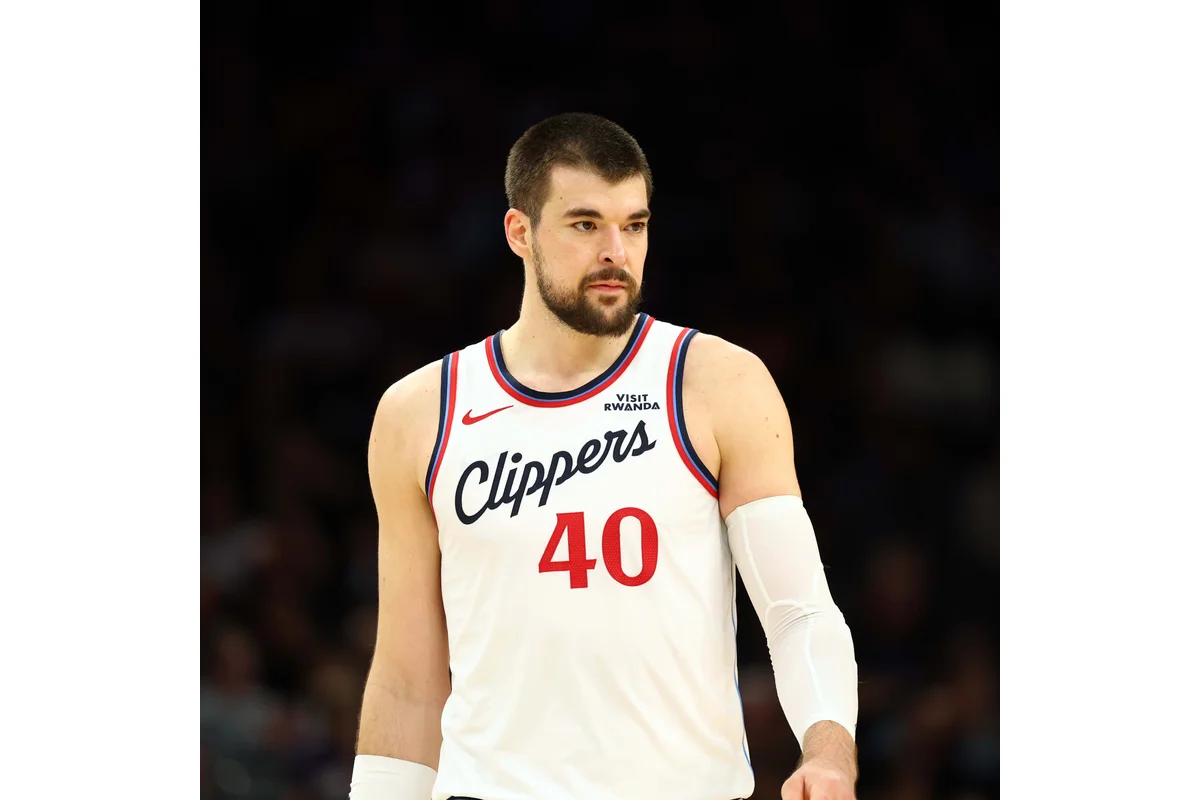
Despite his apology, the impact on the Wasserman group is profound given its status in professional sports. The agency represents an elite list of NBA stars including Klay Thompson, Domantas Sabonis, Alex Caruso, and Rui Hachimura, along with top female athletes such as WNBA legend Diana Taurasi and soccer icon Alex Morgan. Wasserman also chairs the LA28 organizing committee for the upcoming Los Angeles Olympics, prompting an internal review by an outside legal firm. However, the committee stated the investigation merely confirmed what was already publicly known.
Increasing Pressure on NBA Leadership Amid Epstein Links
The fallout has extended beyond Wasserman’s agency, with notable NBA executives recently named in the Epstein documents. Los Angeles Lakers part-owner Todd Boehly appears in communications with Epstein dating back to 2011, though reports describe these exchanges as strictly business related. Boehly has declined to comment on the matter.
Similarly, Philadelphia 76ers co-owner Josh Harris was implicated in the documents released in September and January. A representative clarified that Harris
“never had an independent relationship with Jeffrey Epstein. Harris sought to prevent Epstein’s attempts to develop a corporate relationship with Apollo.”
All involved parties, including Wasserman, have denied any personal or business partnerships with Epstein. Nonetheless, the reputational ramifications continue as more clients disassociate themselves from Wasserman’s agency, and additional figures connected with the NBA and beyond come under greater scrutiny.
Wider Impact and Future Consequences in the Sports Industry
The revelations and ensuing departures have highlighted growing frustration and disappointment within the sports community regarding leadership and accountability. The #MeToo movement’s echoes resonate as athletes and stakeholders demand transparency from those wielding power in sports management and ownership. The silence from some clients and executives only intensifies calls for meaningful reforms.
As the Wasserman group navigates this crisis, the broader sports industry faces increased pressure to confront uncomfortable truths about its associations and governance. The outcomes may redefine athlete representation, leadership responsibility, and ethical standards across professional sports.