
Dario Gjergja, the Croatian basketball head coach, recently shared insights about his extensive career in Belgium and his fresh start with the Bosnia and Herzegovina national team. After 14 successful years coaching Oostende, where he secured 13 Belgian championships, and seven years leading the Belgian national squad, Gjergja transitioned to new challenges in late 2025 by accepting the Bosnia and Herzegovina head coach position while also joining the French club Limoges.
Though he believes he might have left Oostende sooner, Gjergja harbors no regrets, emphasizing the personal and professional growth the club afforded him along the way.
It certainly wasn’t easy, but looking back now, I should have left Oostende earlier. The reasons were more private than anything else, because I turned down some opportunities. Maybe, as they say, I made a mistake. I don’t regret it. As far as Belgium is concerned, only the best. You get the chance to be a coach, to work, to develop as a person, which is extremely important. On the other hand, a club that gave me everything. A club that gave me full freedom to work, to define the sporting policy, which is very rare today. I’m not just talking about Europe, but about any club. I can consider myself fortunate that it was like that
, said the new head coach of Bosnia and Herzegovina.
Transforming Belgium’s National Team Amid European Challenges
During his tenure with the Belgian national team, Gjergja oversaw substantial progress, especially regarding generational changes within the squad. He successfully navigated the transition from experienced players like Van Rossom, Tabu, and Hervelle to younger prospects and incorporated U18 players into an extended roster, cementing a foundation for the country’s future in basketball.
When it comes to the national team, I think we accomplished top-level work over those seven years. We carried out a generational change. Players like Van Rossom, Tabu, Hervelle – all those experienced guys – stepped aside, and we committed to younger players we had been developing over the previous two years. We also started including U18 players on the extended roster. Everything that should be a normal process – I believe we managed to implement it.
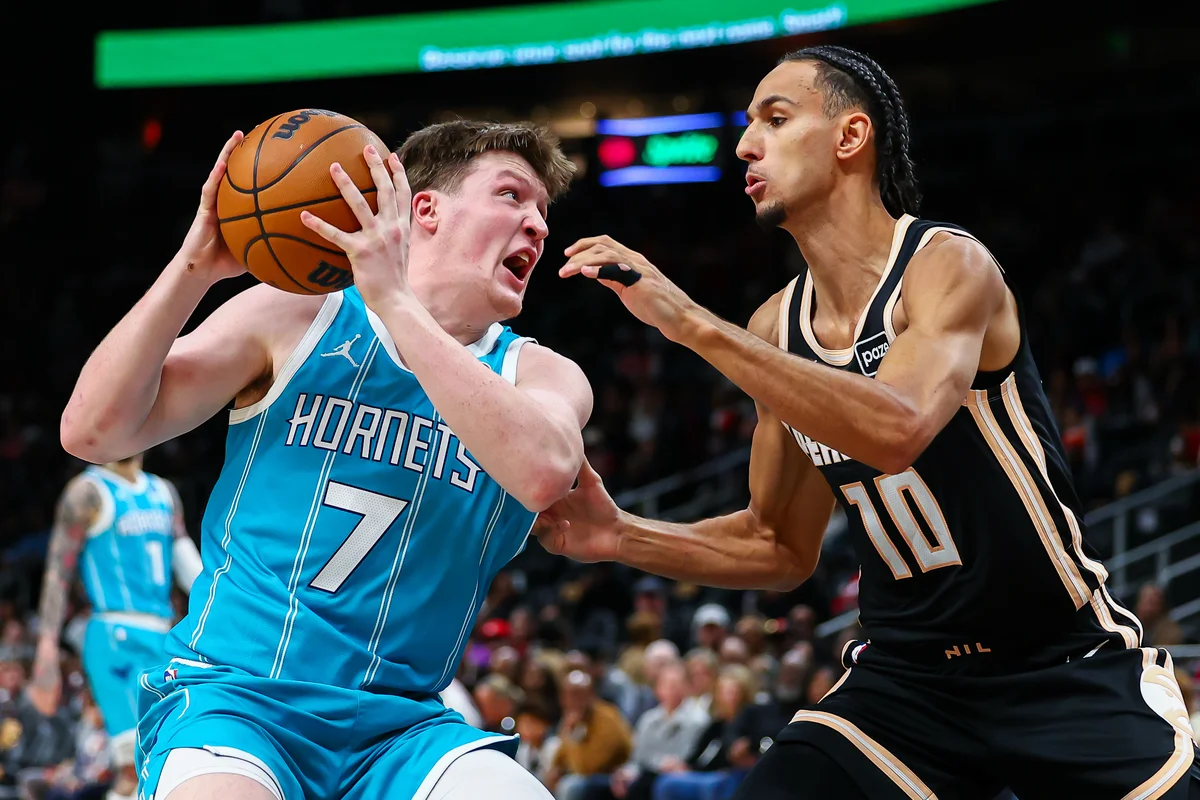
However, one significant obstacle arose: the impact of NIL (Name, Image, and Likeness) agreements in U.S. colleges, which led to many young Belgian talents becoming unavailable for national duty. This issue severely affected the team’s competitiveness during critical qualifying matches.
This summer, the college situation really hit us. A lot of those guys aged 19 to 22 or 23 went to the United States. Simply put, a disaster. Around 12 or 13 players left, players you can no longer count on. You end up in a situation where you lack competitiveness as a team. Those are the problems that appeared with the Belgian national team. They will face serious difficulties in the qualifiers, because the best players are gone, some won’t come back, and those who are supposed to replace them basically don’t exist yet. That’s the issue. You have to go through it and keep working.
Ajay Mitchell and Toumani Camara’s Absences Impact Belgium’s EuroBasket Campaign
Expectations were high that young talents Ajay Mitchell and Toumani Camara would bolster Belgium’s efforts at EuroBasket. Ultimately, neither participated, which contributed to a crucial loss against Israel. Gjergja explained that both players prioritized their careers and personal circumstances, decisions he respects.
Regarding Ajay Mitchell’s choice, Gjergja said:
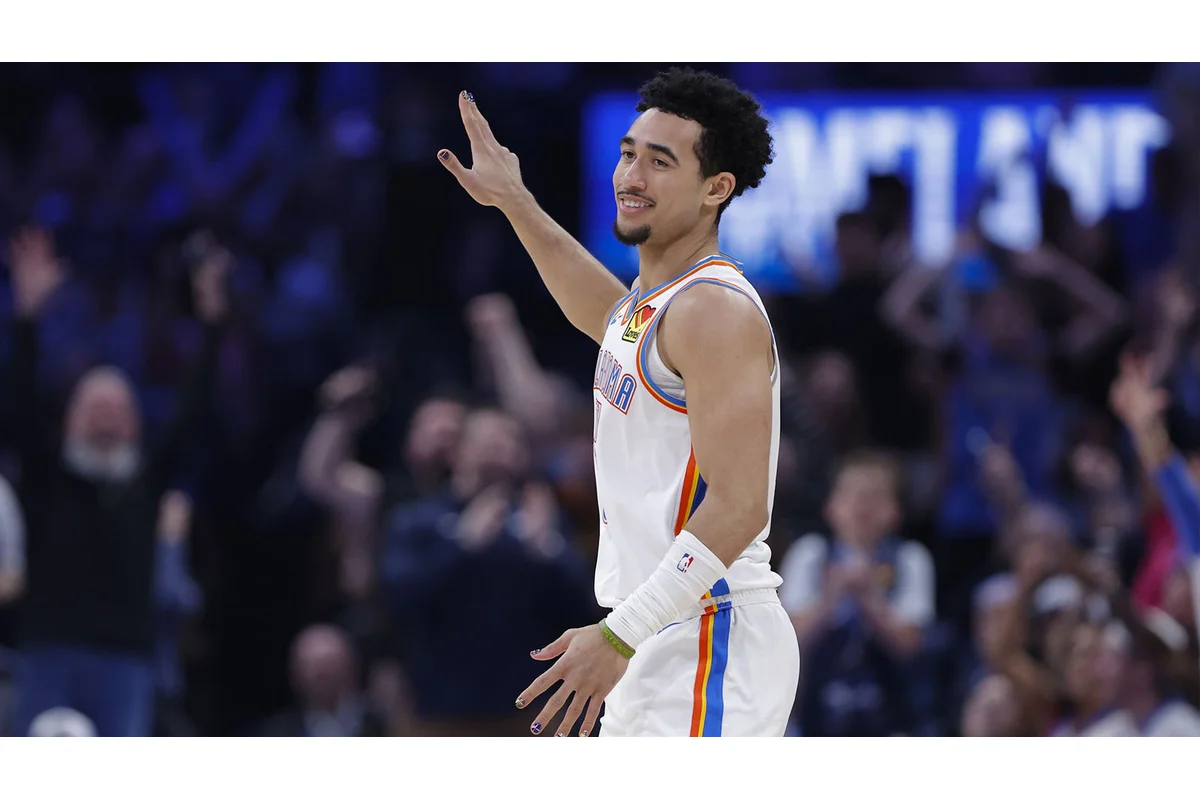
We were two possessions away from advancing against a team that, realistically, doesn’t have the quality to do much more. As far as Ajay is concerned, that was understandable to me. He had a long season and won an NBA title. He was coming back from injury and also played in the Summer League. I told him what I wanted, I wanted to put a lot of responsibility in his hands. In agreement with his club, he said he couldn’t do it and that he needed to focus. They probably told him he would have a bigger role in the rotation this year – and they weren’t wrong. You can see how he’s playing now. He chose his career, and I have to respect that first as a person, and then as a coach. He signed a new, good contract and has room to progress.
On Toumani Camara’s case, Gjergja added:
Toumani also had contract-related issues – whether he would sign a new deal or not. He was afraid of getting injured. We had problems there as well. The Belgian federation simply isn’t wealthy enough to cover that kind of insurance. In the end, he was also right. He signed a contract worth over 80 million dollars. That changes the picture. I have no right to blame them when someone is taking care of their life. I won’t interfere or tell anyone what they should or shouldn’t do. Was it difficult? Yes. But somehow we managed to get through it all. I’m happy for the guys who were there.
Taking on Bosnia and Herzegovina Amid High Expectations and Tough Opposition
In October, Gjergja embarked on his mission to lead Bosnia and Herzegovina’s national team. This role presents challenges, considering the team’s historical context and a tough EuroBasket qualifying group including Serbia and Turkey. Although debut matches ended without victories, Gjergja remains optimistic about the squad’s potential and the rebuilding process.
I didn’t plan it. I was going to a new club, a new league, everything new. I wasn’t thinking about it at all. But once the talks started with Mr. Alihodzic (general secretary of the Basketball Federation), Mr. Berbic (president of the Federation), and Sinisa Kovacevic, I saw that there was real desire, that there was potential, and that it shouldn’t be ignored. I’m not a coach who will work only at club level.
The club where he coaches also supported his dual role without restrictions, allowing him to focus on integrating younger players and managing the generational gap in Bosnia and Herzegovina’s roster.
The club immediately agreed. It was a club decision – the owner said, ‘Go, no problem.’ Once he confirmed it, everything was clear. No side issues at all. I saw that there are young players who need to be integrated step by step, there is a gap between generations, and that’s the model I followed. It’s not exactly simple – you have Serbia and Turkey in the group. It’s not a fairy tale, but we didn’t set things up that way either. We’re thinking in terms of the next four years.
Evaluating Bosnia and Herzegovina’s Early Performances and Future Prospects
Gjergja regards the initial match outcomes as valuable experiences despite the challenges, highlighting the team’s resilience against strong opponents like Turkey and Serbia, who are considered medal contenders at the World Cup.
I’m very satisfied. Against Turkey, the result wasn’t really a true reflection of the game. Against Serbia, however, we played a solid match. Small details separated us. If we had maybe had Atic available until the end, I’m not sure how it would have looked. That’s life. We had ten days, and now I already have a different idea, a different perspective. I saw those guys, some of them weren’t there. We need to focus exclusively on the next two games and put everything else aside. You don’t have time – you’re not with the team for ten months and then suddenly you work in peace. Positivity and managing the players properly are the main things at the start.
The roster includes notable players such as Dzanan Musa and Kenan Kamenjas, but key figures like Kosta Kondic remain sidelined, largely due to injury and contract discussions.
I spoke with him (Kosta Kondic), not once but several times. In the meantime, I also talked about it with both his former agent and mine, Misko Raznatovic. Misko explained that at this moment it’s impossible, given that he’s injured and can’t be with us at the training camp, and that there were also some issues. I told him that we’ve cleared those matters up and that after the February window we’ll dedicate time, up until May, to finally determine whether he wants to be with us, whether he will be with us, or whether we’ll go our separate ways. If he’s with us, then he’ll be with us in June.
Outlook on Bosnia and Herzegovina’s World Cup Hopes and Player Relations
Despite early defeats and external skepticism about Bosnia and Herzegovina’s World Cup qualification chances, Gjergja maintains a realistic but determined approach. He stresses that while making the World Cup might be unlikely, the primary goal is steady improvement and securing advancement in tournaments.
The World Cup is out of reach, but was that really the first objective? Just so I’m not misunderstood – of course we’ll give everything in every game and be at one hundred percent every time. There’s no other way. That’s the key to everything. You play without half the team, you go toe to toe with Serbia, you play well for 31 minutes in Turkey. I think there are a lot of positive things there. In the end, the result is what gets remembered. That’s what we need to strive for. The primary goal has to be securing advancement.
One continuing challenge involves Jusuf Nurkic, a key NBA player with ongoing disputes with the federation, who will not be joining the team during the July window amidst contract uncertainties.
We haven’t had that conversation yet. I decided to leave it for after the February window. Why? Because I don’t think he should be burdened with those issues at this moment. You have to be smart about it, and all the other problems that existed between him and the Federation need to be resolved along the way. Also, if there are any uncertainties, we need to clear them up. There’s no need to talk about his quality – to anyone who understands basketball, it’s crystal clear how important he is. Like every other player, but especially him, because he gives you an additional dimension.
Addressing Challenges in Croatian Basketball and Player Development
Gjergja also highlighted concerns about Croatian basketball’s current struggles, noting the absence of Croatian teams from the ABA League Top 8 and the withdrawal of clubs like Cibona from major competitions. He attributes these problems to a lack of investment and insufficient opportunities for young players, which risks pushing the sport toward amateurism in that region.
Drawing attention to the standout success of the Croatian club Zadar, Gjergja emphasized the importance of domestic player development and club continuity.
The reason is a lack of investment and insufficient belief in young players. When young players can’t break through, when there aren’t enough of them, certain things inevitably drift into amateurism. Zadar are dominant – they have continuity, they have a coach who is still doing an excellent job. They are the one team maintaining a certain level of quality. Who can follow that? Probably Split, but who are the players coming in? Which players are we bringing in? Wherever you work, that has to be your guiding principle. In France, and previously in Belgium as well, I always tried to have a core of domestic players. Domestic players are the ones who live for the club. That’s where Zadar have an advantage.
He also noted an ongoing issue of talent migration, with prominent players like Mario Hezonja, Ivica Zubac, and Toni Nakic moving abroad and the resulting gap in domestic competition.
Mario Hezonja will leave, Zubac, Toni Nakic – players who are already playing abroad. What then? Then we run into problems. That is the biggest issue in Croatian basketball. Those young guys need to be given the opportunity to play. And that brings us back to the problem you mentioned – they’re not in the ABA League. How can they be in the ABA League if they don’t have enough quality and lack consistency? Zadar are the only ones, but clearly that’s not enough. At some point, you have to say: ‘Let’s suffer for three years, five years.’ But we need to know why we’re suffering. When you’re losing, you have to understand the reason behind it.
Gjergja reflected on lessons from American basketball, citing the importance of trusting a long-term developmental process focused on continuous improvement rather than immediate results.
You have to define a clear profile. If there’s one thing we can learn from the Americans, let’s use the idea of ‘Trust the process.’ The Chicago Bulls have believed in the process for 30 years now, ever since ‘Mr. Beast’ (Michael Jordan) left. That’s the point. If you have a certain talent, let that better player go up against players who are better than him. So what if he struggles – let him learn. The key is to know that you’ve committed to a process, and within that process, to focus on how to improve
, Dario Gjergja concluded in his interview.
Looking Ahead: What Gjergja’s Leadership Means for Basketball Futures
Dario Gjergja’s candid reflections reveal the complex realities facing European basketball today — from player career priorities, talent migration, national team rebuilding, to the financial and structural challenges within federations and clubs. His acceptance of the Bosnia and Herzegovina coaching role, alongside his ongoing work in France, shows a commitment to nurturing emerging generations amid competitive pressures and evolving basketball landscapes.
With key players navigating contracts and personal choices, the future success of teams like Belgium and Bosnia and Herzegovina will depend on how effectively leadership balances ambition with the realities of modern basketball careers. Gjergja’s emphasis on process, positivity, and adaptability signals a long-term vision that could influence the development trajectories of these national programs and the wider European basketball community.
EXCLUSIVE @BSphere_ INTERVIEW – @DzMusa
"In Dubai I have something I never had anywhere else"
▫️ Why did he envision a different ending at Real Madrid?
▫️ What would he change in the EuroLeague?
▫️ What is the biggest stain on his career?https://t.co/5NvZ74Bc9M
— Basketball Sphere (@BSphere_) February 9, 2026
