
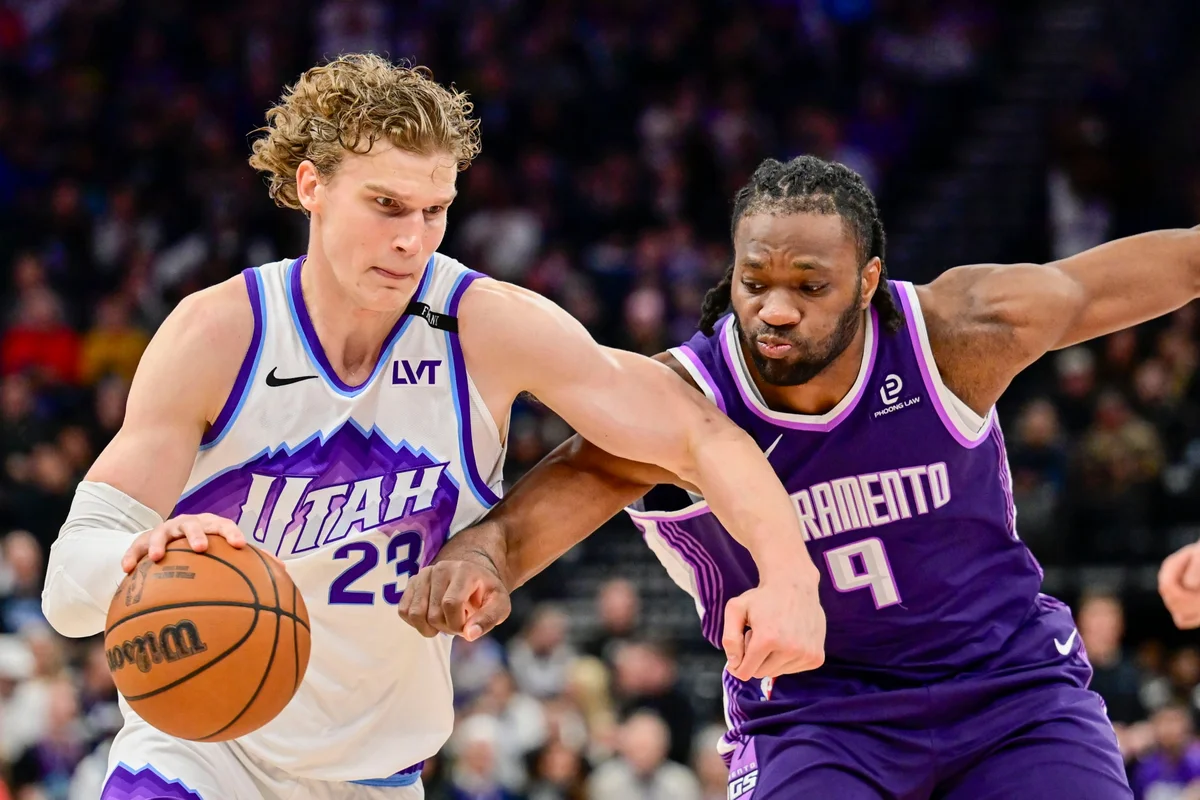
The NBA has fined the Utah Jazz for actions interpreted as tanking, placing the team under scrutiny as concerns rise over the league’s integrity. The fines come after games on February 7 and 9, 2026, when the Jazz benched key players Lauri Markkanen and Jaren Jackson Jr. before the fourth quarter and did not return them, prompting the league to respond. This penalty highlights growing tension over teams seemingly prioritizing draft position through lineup decisions during the regular season.
Details of the player participation violations and related league responses
The NBA’s statement emphasized protecting the “integrity of our games” while expressing concern about teams putting draft outcomes ahead of competition. Commissioner Adam Silver noted that the Competition Committee and board of Governors will introduce further measures to prevent such practices moving forward. Similar fines were issued to the Indiana Pacers for benching Pascal Siakam and other starters on February 3, indicating league-wide enforcement efforts against perceived tanking strategies.
Past instances of tanking raise questions about NBA’s inconsistent enforcement
Despite the recent fine, the NBA’s crackdown appears inconsistent compared to previous seasons. Teams like the Toronto Raptors have engaged in comparable behavior without facing penalties. Last season, the Raptors acquired Brandon Ingram, extended his contract, then limited his playing time for the rest of the year while he was healthy. This strategy evidently paid off as that team is currently holding a strong playoff position with a 32-23 record.
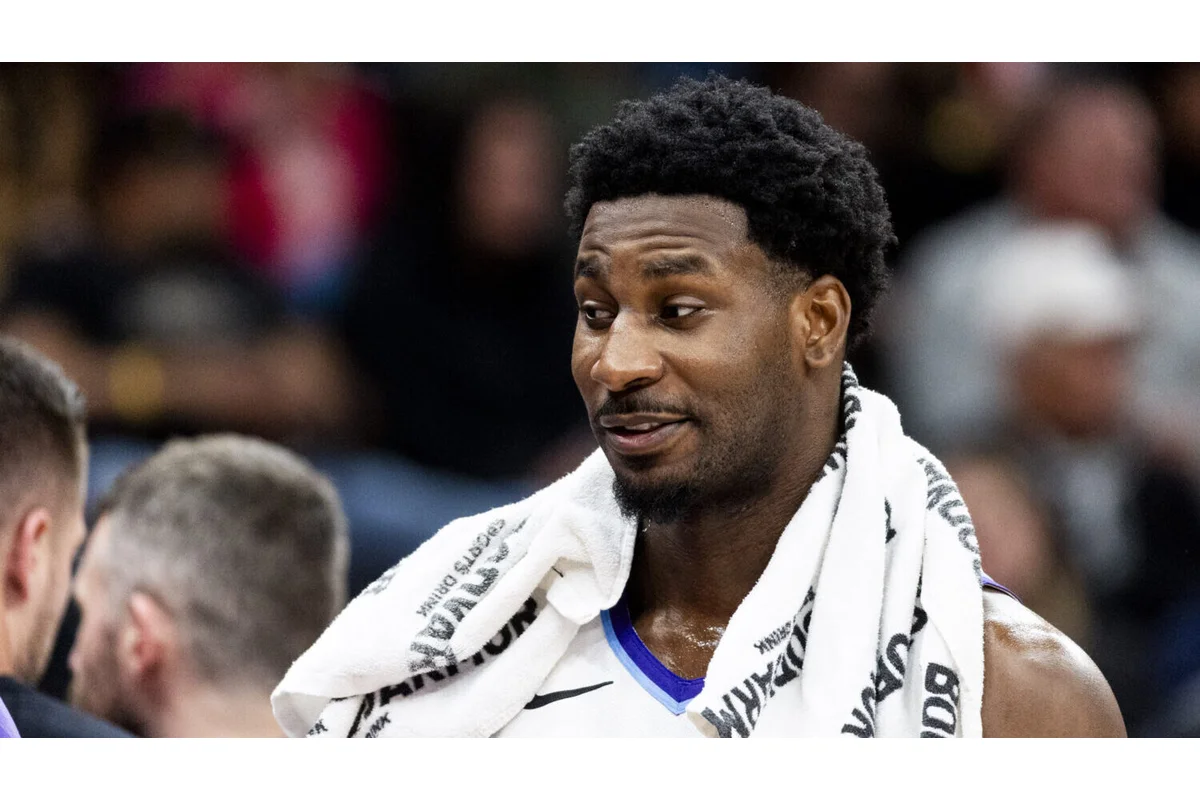
The Jazz mirrored this approach by trading for Jaren Jackson Jr., aware that a knee injury might sideline him. Yet, uncertainty remains over his actual recovery timeline. The precedent set by the Raptors suggests the Jazz could also rebound in the next season, underscoring the complexity of distinguishing between legitimate injuries and strategic rest in the context of tanking accusations.
Owner Ryan Smith challenges the league’s rationale behind the fines
Utah Jazz owner Ryan Smith publicly questioned the NBA’s justification for the fine, especially since one of the penalized games was won by the Jazz in Miami.
ð agree to disagree ⦠Also, we won the game in Miami and got fined? That makes sense ⦠https://t.co/sHQrggB2Xa
?Ryan Smith, Utah Jazz owner
Smith’s argument highlights the ongoing dispute over what constitutes compromised game integrity. The Jazz’s split results in the affected games and a close loss to Orlando argue against clear evidence that these games were intentionally lost. In contrast, teams like the Sacramento Kings have openly rested top players amid long losing streaks, further complicating how the NBA’s rules are applied.
Questions about the NBA’s ability to uphold fair competition amid tanking controversies
There is no formal NBA rule requiring players to be on the court each quarter. Coaches retain discretion in managing lineups to optimize performance, making enforcement of vague “integrity” standards difficult and selective. The league’s prior tolerance of tanking strategies—exemplified by Philadelphia’s “The Process” and rebuilding efforts in Oklahoma City and San Antonio—has eroded public trust.
The NBA’s inconsistent responses have amplified frustration among fans and stakeholders, suggesting a loss of credibility as the league tries to balance competitive fairness with strategic team management. With the recent fine targeting Utah amid a long history of tacit allowance for such tactics, questions remain about how the league will effectively regulate tanking while maintaining transparency and consistency.
Implications for the future of NBA competition and league policies
The NBA’s decision to fine the Utah Jazz signals a potential shift in addressing tanking behaviors but also exposes the challenges of consistent enforcement. Going forward, the actions of the Competition Committee and board of Governors will be crucial in clarifying the rules, ensuring fair play, and restoring confidence among players, owners, and fans. How the league manages these tensions may shape the competitive landscape and influence team strategies around player rest, injury management, and draft positioning in coming seasons.
On Feb. 7 and 9, the Jazz removed Lauri Markkanen and Jaren Jackson Jr. before the beginning of the fourth quarter and did not return them to the game. The Pacers were fined for violating the player participation policy for holding out Pascal Siakam and two other starters Feb. 3. https://t.co/DNTenVwZwW
— Shams Charania (@ShamsCharania) February 13, 2026
🙄 agree to disagree … Also, we won the game in Miami and got fined? That makes sense … https://t.co/sHQrggB2Xa
— Ryan Smith (@RyanQualtrics) February 13, 2026
