

Jeremy Sochan’s playing time with the New York Knicks may begin gradually, but he is expected to receive meaningful opportunities on the court. The Knicks must be cautious not to repeat the errors made with Guerschon Yabusele, particularly by avoiding trying to fit Sochan into a power forward role that does not suit his skill set. Thanks to Sochan’s defensive strengths, he is better positioned to succeed when playing as a center.
Lessons from Yabusele’s Placement With the Knicks
When Guerschon Yabusele joined the Knicks in the summer, he appeared ready to secure a significant role in the team’s rotation behind starter Karl-Anthony Towns. Despite this, the Knicks opted to deploy him more frequently at power forward instead of center.
This strategic choice ultimately backfired, revealing a crucial misjudgment in how Yabusele’s talents were utilized. By steering away from his natural center position, the Knicks failed to capitalize on Yabusele’s strengths, which has become a cautionary tale for managing Sochan’s role.
Why Playing Sochan at Power Forward Could Fail
Yabusele’s recent success with the Philadelphia 76ers was largely attributable to his role as a center, where he logged 73% of his minutes in that position last season. Contrastingly, during his brief tenure with the Knicks, 68% of his playing time was at power forward—a move that did not yield favorable results according to game outcomes and team dynamics.
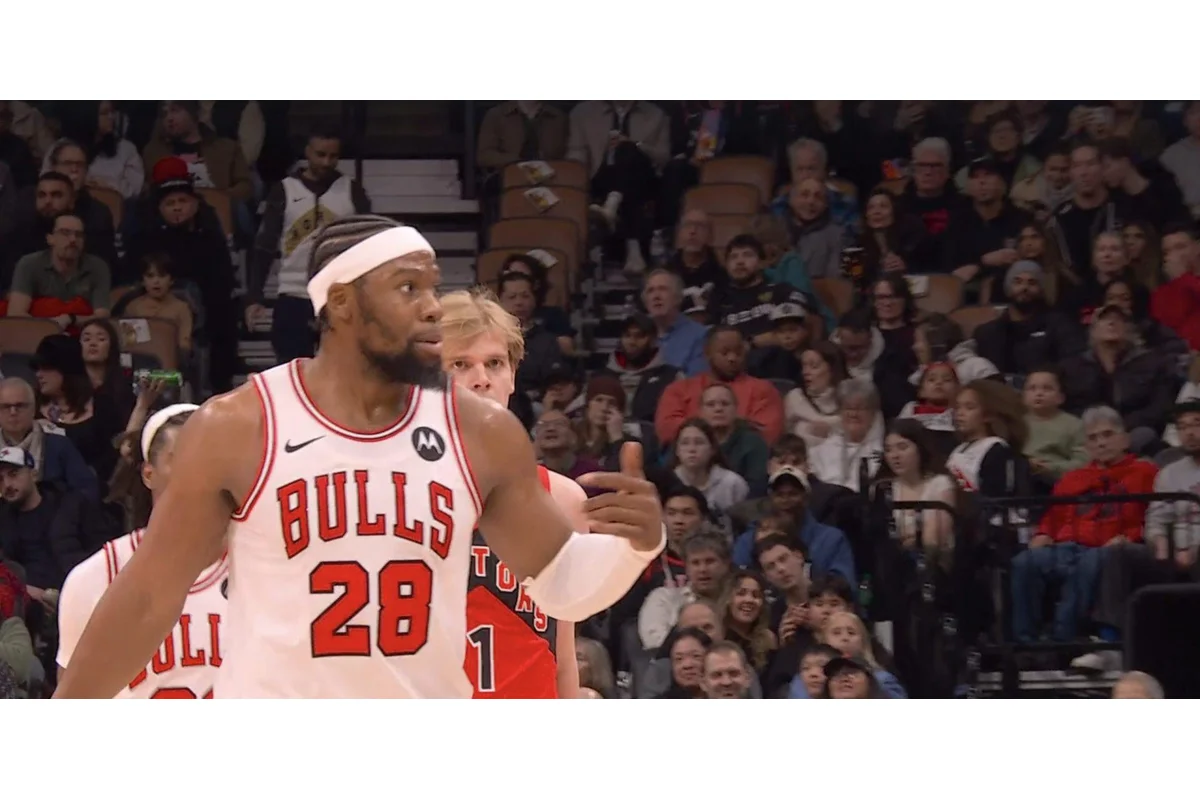
Similarly, Jeremy Sochan’s early career with the San Antonio Spurs saw him used primarily as a power forward as well, including stretches where he even operated as a point forward. However, only in the past two seasons has Sochan seen considerable time at center, occupying the position 41% of the time, often behind players like Victor Wembanyama and Luke Kornet, which limited his chances to fully develop in that role.
The Importance of Mike Brown’s Strategic Usage
New York’s head coach, Mike Brown, emphasizes specific qualities for his centers: they must either serve effectively as rim-runners or as floor-spacers, while maintaining excellent defensive capabilities unless they are elite offensive talents. This approach highlights the critical difference between Yabusele and Sochan’s skill sets.
While Yabusele was capable of spacing the floor, his defense was a weakness. On the other hand, Sochan lacks floor-spacing ability but excels defensively, making him a better candidate to play at the five spot. The Knicks have a clear opportunity to leverage Sochan’s defensive talents more wisely by placing him where he can contribute best rather than forcing a role that contradicts his strengths.
Moving Forward: Avoiding Past Errors
The Knicks stand at a crossroads where their decisions on Sochan’s utilization will greatly influence his development and the team’s performance. Applying the lessons from Yabusele’s mismanaged role suggests the Knicks should avoid positioning Sochan at power forward. Instead, entrusting him with responsibilities at center aligns with both his abilities and Mike Brown’s coaching philosophy.
How the Knicks manage this adjustment could determine Sochan’s trajectory in the NBA, and prevent repeating the frustrating mistakes experienced with Yabusele. Successfully integrating Sochan as a defensive center could stabilize the team’s interior defense and open up strategic options for their rotation in the current season and beyond.
