The Minnesota Timberwolves’ acquisition of Rob Dillingham, the eighth overall pick in the 2024 NBA Draft, was expected to provide the franchise with a promising young point guard for multiple seasons. However, by February 5, just under two full seasons later, the 21-year-old was traded to the Chicago Bulls, revealing potential miscalculations in Minnesota’s player development and roster decisions. This Rob Dillingham trade impact has raised questions about coaching strategies and team priorities.
Limited Opportunities Undermined Dillingham’s Growth in Minnesota
The Timberwolves’ decision to trade Dillingham came after he was sidelined from the rotation since mid-December, with guard Bones Hyland taking priority and veteran Mike Conley, despite limited production, continuing to receive significant minutes. Coach Chris Finch faced criticism for his handling of Dillingham’s playing time, which many believe stunted the rookie’s confidence and growth.
On the Dane Moore NBA Podcast, Britt Robson asserted,
“Dillingham, obviously, that did not work at all. I think that is on Finch, quite frankly, not as much, but a lot of the reason why Dillingham lost his confidence and really didn’t flourish here. Part of it was situational, part of it was coaching,”
highlighting Finch’s role in the unfolding situation.
Dillingham’s struggles to secure consistent minutes reflected the challenges faced by young players joining teams with immediate championship expectations, like Minnesota. Finch was reluctant to provide Dillingham extended court time, fearing potential short-term losses that the team could not afford in their pursuit of success.
Performance Metrics and the Trade’s Mutual Benefits
Throughout approximately 1.5 seasons with Minnesota, Dillingham played 84 regular-season games, averaging 4.0 points and 1.9 assists over 10 minutes per game. His brief stints often ended prematurely after mistakes, limiting his ability to adapt and improve within the Wolves’ system.
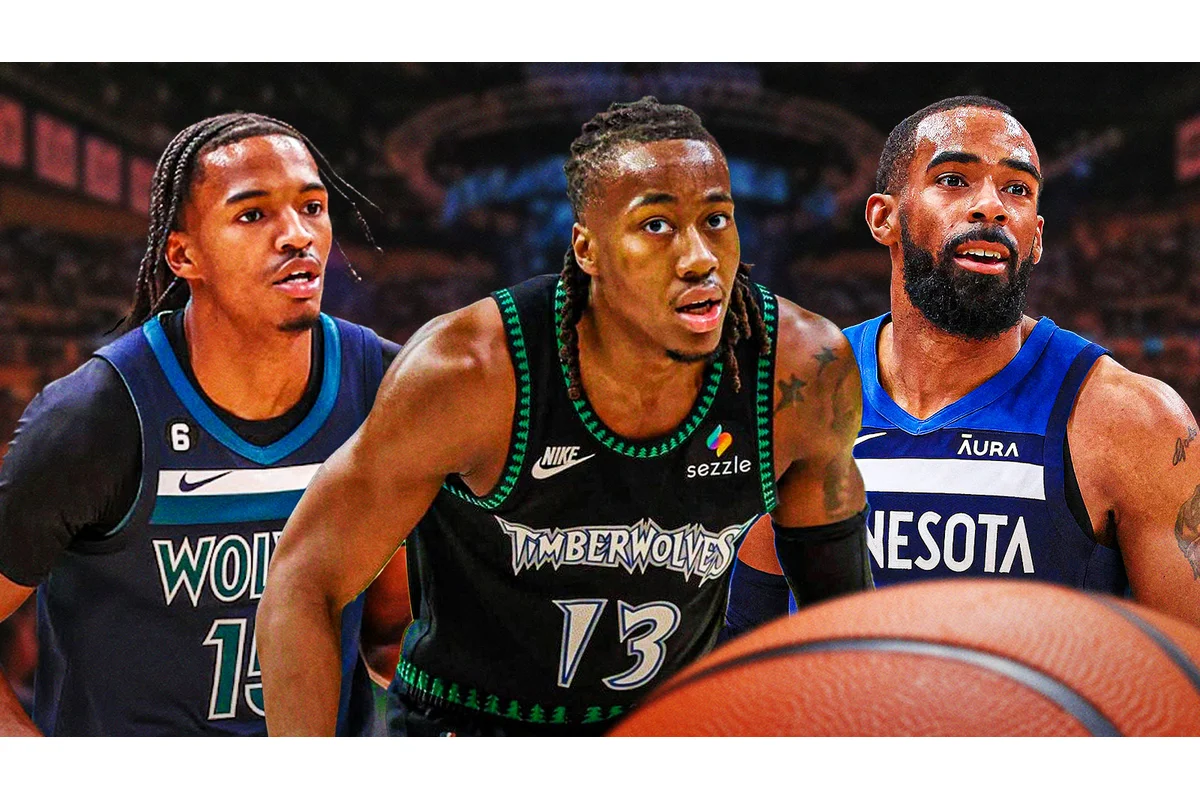
The trade deal involving Dillingham brought guard Ayo Dosunmu to Minnesota, a move aimed at strengthening the bench and addressing immediate team needs. For Dillingham, the departure to Chicago offered a fresh start and more substantial playing time. In three games with the Bulls, he has averaged 11 points and 4 assists in about 25 minutes per contest, showing early signs of progress.
Meanwhile, Dosunmu initially experienced a challenging debut with Minnesota but has since stabilized his performance in the team’s subsequent outings. The swap, therefore, provided both franchises opportunities to address their pressing roster situations.
Implications for Minnesota and Dillingham’s Future
The handling of Rob Dillingham’s rookie development period emphasizes the delicate balance between nurturing young talent and meeting the demands of a competitive, playoff-focused environment. Minnesota’s gamble on Dillingham, given the team’s aspirations, ultimately led to a short tenure that many fans and analysts find regrettable.
As Dillingham gains more confidence and playing time in Chicago, his trajectory could improve significantly. For Minnesota, retooling with players like Dosunmu may offer immediate benefits, but concerns remain about missed opportunities in maximizing the potential of their young draft pick.