
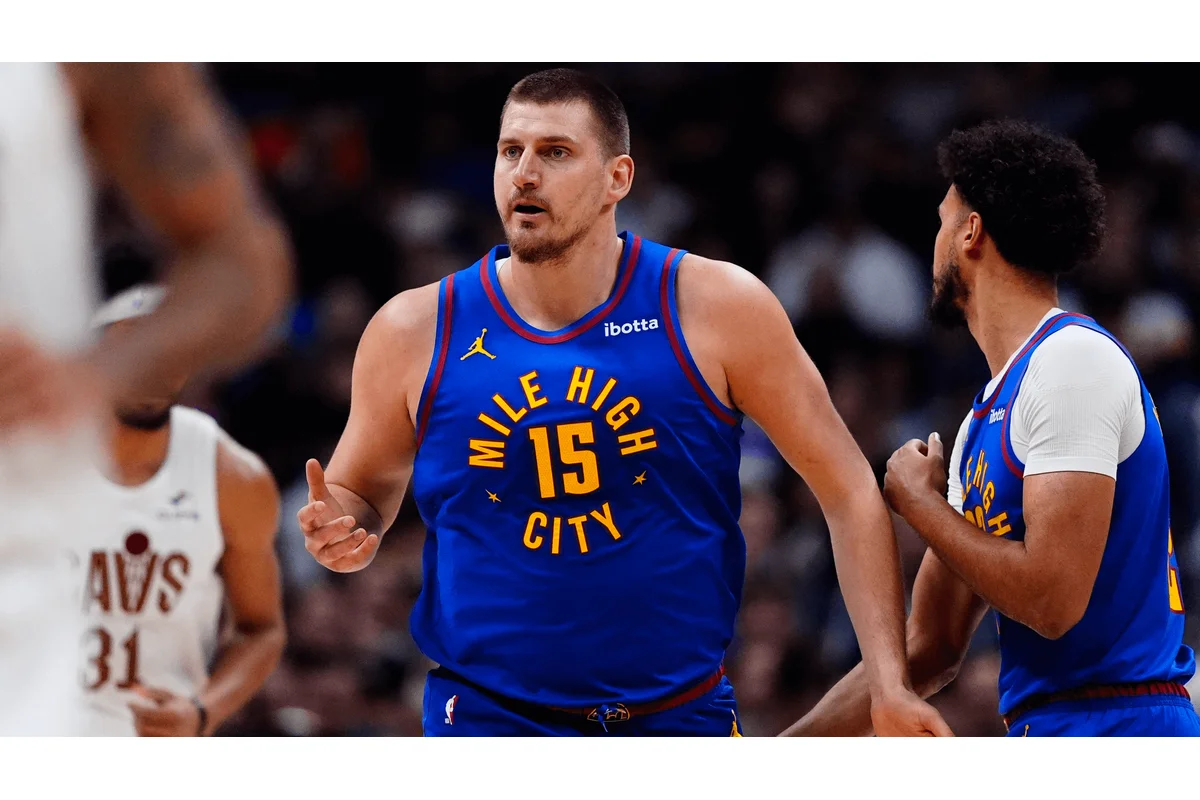
At the February trade deadline, the Sacramento Kings surprised many by acquiring De’Andre Hunter, despite widespread expectations for a major overhaul involving prominent players such as Domantas Sabonis and Zach LaVine. While big trades didn’t materialize due to the hefty contracts of Sabonis and LaVine, the move involving Hunter was more about strategic roster management than just the player himself. This decision ultimately created space for a key asset: rookie center Dylan Cardwell.
The Kings’ inability to find trade partners for Sabonis and LaVine left their rebuilding efforts constrained in the short term. Their expensive contracts made a trade unlikely, and it appears both players will remain with the team for at least another season. Instead, Sacramento focused its attention on smaller personnel changes that would keep their long-term plans intact and establish a foundation for growth.
The trade sent Keon Ellis, Dennis Schroder, and Dario Saric to other teams, bringing in Hunter as a new piece. Although Hunter’s future impact remains uncertain, the main advantage of this deal was the roster flexibility it provided the Kings.
The Unseen Value of Securing Dylan Cardwell
Undrafted and initially signed on a two-way contract, rookie center Dylan Cardwell seized his opportunity amid the Kings’ injury challenges. His performances quickly demonstrated his value, especially in terms of shot blocking and rebounding, distinguishing him among his rookie peers. Beyond his defensive presence, Cardwell also impressed fans at Golden 1 Center with his energy and athleticism, particularly as a lob threat.
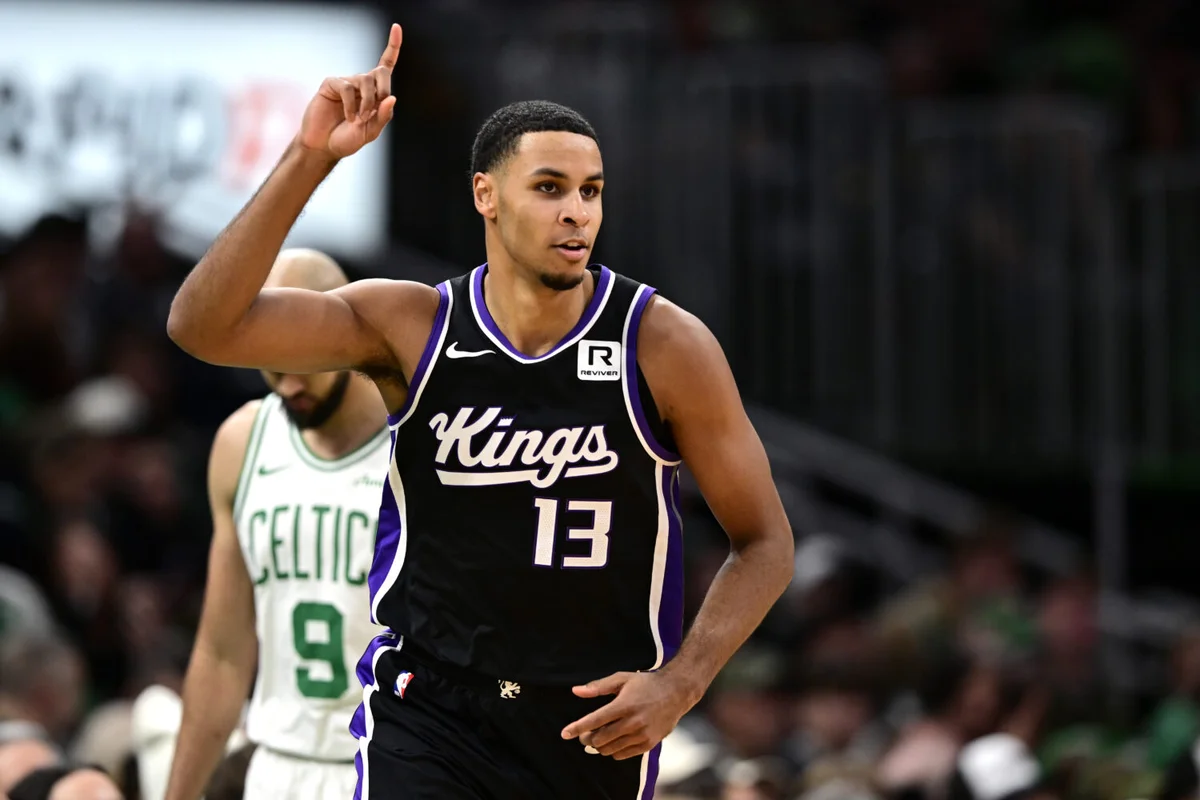
Recognizing his potential, the Kings were motivated to secure Cardwell on a full NBA contract—a move made possible only by the roster space created through the Hunter trade. This commitment shows the team’s confidence in Cardwell’s fit and contribution to their core lineup moving forward.
Without the trade that brought Hunter, the Kings would have faced considerable difficulty retaining Cardwell beyond the season, risking losing him to free agency. By making this calculated move, Sacramento not only preserved an emerging talent but also solidified a rookie foundation essential for their rebuilding efforts.
Implications for the Kings’ Future Development
The acquisition of De’Andre Hunter may attract headline attention, but it is the agreement to sign Dylan Cardwell that could have a longer-lasting impact on the Kings’ roster stability and growth trajectory. As the team navigates its rebuilding phase, maintaining control over promising young players like Cardwell allows Sacramento to build continuity and add toughness on the defensive end.
With Sabonis and LaVine likely remaining, the Kings’ roster remains anchored by their veteran stars while integrating energetic young players seen as key to the team’s future success. The Hunter trade, therefore, serves as a strategic maneuver to unlock roster flexibility rather than a headline-grabbing blockbuster. Moving forward, observing how Cardwell and Hunter develop will be crucial for evaluating Sacramento’s progress in balancing experience and emerging talent.
