
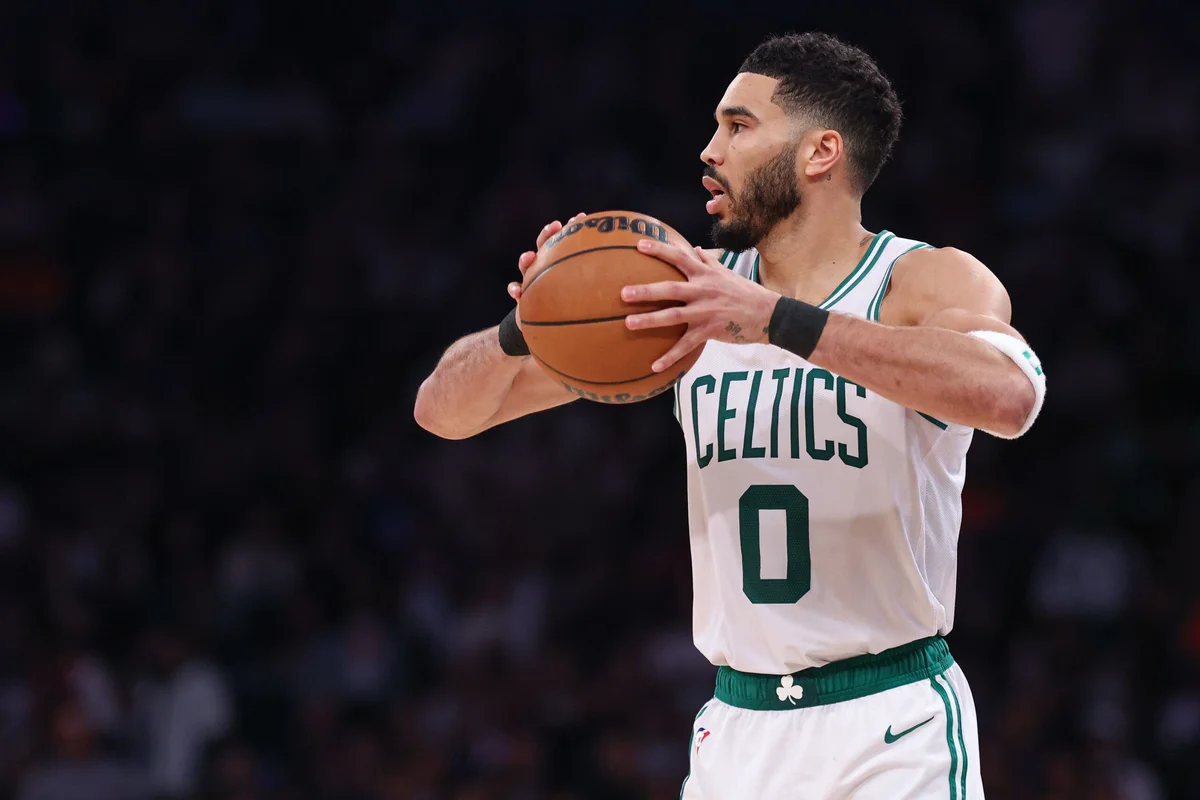
Jayson Tatum’s Achilles recovery has been a focal point since his rupture of the right Achilles tendon in May 2025 abruptly ended his Boston Celtics playoff run. This type of injury resonates deeply with basketball fans due to its severity and the notable precedent set by Kobe Bryant, who suffered a similarly devastating Achilles tear in 2013. An NBA doctor recently provided insights into the differences between Kobe’s recovery and what lies ahead for Tatum, highlighting key factors influencing their rehabilitation processes.
Overview of Kobe Bryant’s Achilles Injury and Recovery Journey
In 2013, Kobe Bryant sustained a Grade 3 torn Achilles tendon on his left foot, marking one of the most significant injuries in NBA history. Bryant’s return to the court eight months later was remarkably swift, positioning him as the second-fastest player to bounce back from such an injury. Despite this rapid comeback, his 2013-14 season was limited to just six games, and his post-injury years were continually hampered by ongoing physical challenges. The rapid recovery masked deeper, lasting impacts that prevented him from regaining his previous performance levels.
Key Factors Influencing Differences in Recovery
According to Dr. Abhinav Gautam, a pain management specialist, Tatum’s injury and recovery trajectory have vital distinctions compared to Bryant’s experience. In an exclusive interview, Dr. Gautam emphasized that Tatum benefits greatly from his youth, being in his mid-20s, whereas Kobe was in his mid-30s at the time of his injury. Age plays a significant role in healing capacity, with older athletes generally facing more complex recoveries due to diminished regenerative abilities.
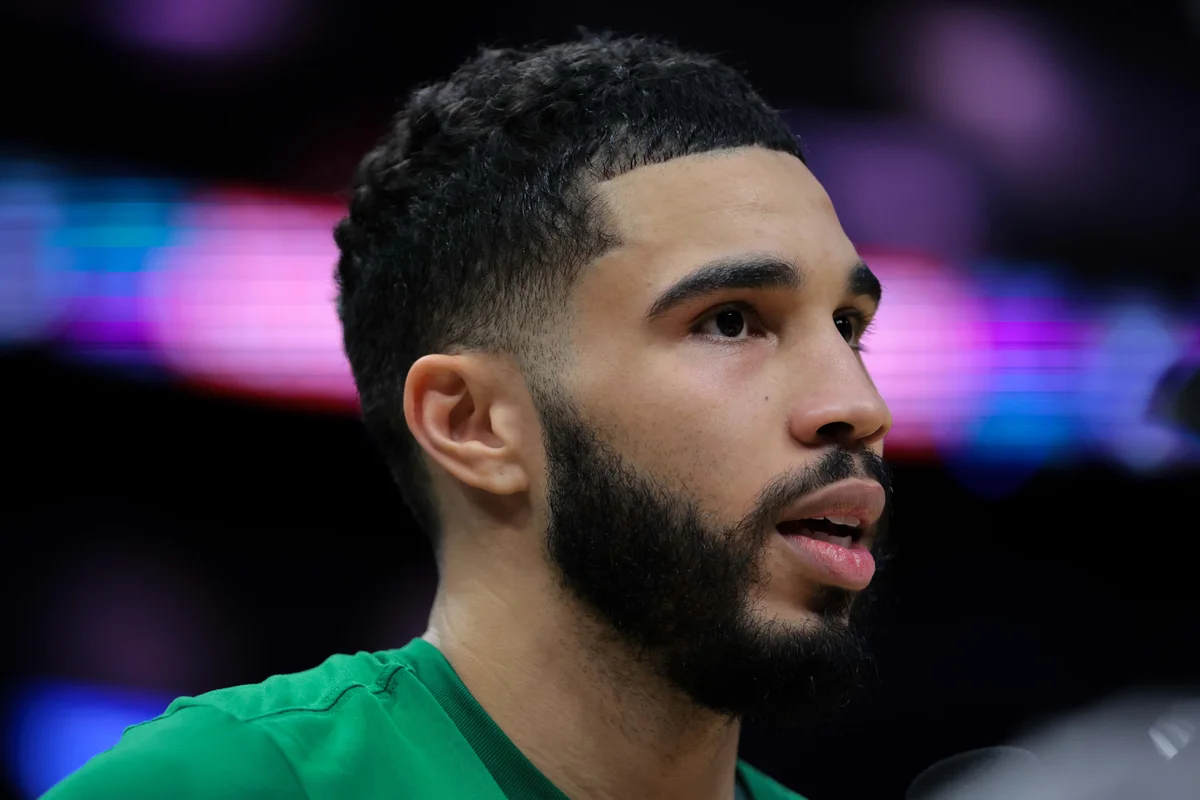
Modern medical and therapeutic technologies also provide Tatum with tools that were unavailable during Bryant’s rehabilitation. Dr. Gautam mentioned treatments such as red light therapy, pulsed electromagnetic field therapy (PEMF), and potentially advanced regenerative medicine techniques that can accelerate tissue repair and optimize recovery.
I mean, the advantage for Tatum is he was what, 26 when he injured himself,
Dr. Gautam said.
I think Kobe was like 30, I don’t know, 35, probably 10 years older, whatever, eight to 10 years older. I mean, unfortunately, as we get older, we tend to find that healing becomes more difficult.
But I think also probably what’s working to his advantage is that recovery technology is a lot further along than it was in the past,
Dr. Gautam added.
So I’m sure he’s doing red light therapy, PEMF, everything that he can. Maybe he’s even had some regenerative medical procedures done to try to optimize that recovery.
Potential Challenges Tatum Might Face During Comeback
Even with these advantages, experts remain cautious about Tatum’s ability to return to his pre-injury form. Achilles tendon ruptures can affect confidence and explosiveness—two critical elements of Tatum’s playing style. Dr. Gautam noted the possibility of a performance lag and cautioned that each athlete’s comeback varies depending on their individual circumstances and style of play.
Nevertheless, faith remains strong in Tatum’s dedication and work ethic. Dr. Gautam expressed optimism based on his experience working with elite athletes, highlighting the mental focus and determination that typically accompany such rehabilitations. He expects Tatum to approach his recovery as a “warrior,” striving to regain his full capabilities and contribute at the highest level once again.
There’s a high likelihood that a higher chance than not that there could be a performance lag versus pre-injury,
Dr. Gautam said.
Now we all especially, and it also depends on the player and the playing style, he has a pretty explosive playing style.
I think probably from my experience working with some of the best athletes in the world, people are, especially when they have an injury like this, they’re very focused on doing everything that they can to get back,
Dr. Gautam continued.
So I have a strong sense that this guy is a warrior, and I have a strong sense that he’ll probably be back close to a hundred percent.
Current Status and the Road Ahead for Tatum
As of now, there is no official timeline for Jayson Tatum’s return to action. Various rumors circulating about his recovery should be treated cautiously until credible updates come directly from the Celtics organization or Tatum himself. The Celtics and their fans remain hopeful, knowing that Tatum is receiving state-of-the-art treatment and adhering to a demanding rehabilitation regimen aimed at maximum recovery.
Impact of Tatum’s Recovery on the Celtics and the NBA
Jayson Tatum’s Achilles recovery will have significant consequences for the Boston Celtics’ competitive outlook. His presence on the court is vital for the team’s offensive and defensive strategies, and regaining his previous form could strengthen the Celtics’ championship ambitions. Moreover, Tatum’s recovery journey serves as a benchmark for modern sports medicine applied to high-profile NBA injuries, potentially influencing treatment approaches for other athletes facing similar challenges in the future.
Dr. Gautam compares Kobe Bryant's recovery in 2013 to Jayson Tatum's recovery:
"I mean, the advantage for Tatum is he was what, 26 when he injured himself. I think Kobe was like 30, I don't know, 35, probably 10 years older, whatever, eight to 10 years older." https://t.co/2g7QF0tKYQ pic.twitter.com/BoI48AFAJ3
— Itiel Estudillo (@Itiel_Estudillo) February 24, 2026
