
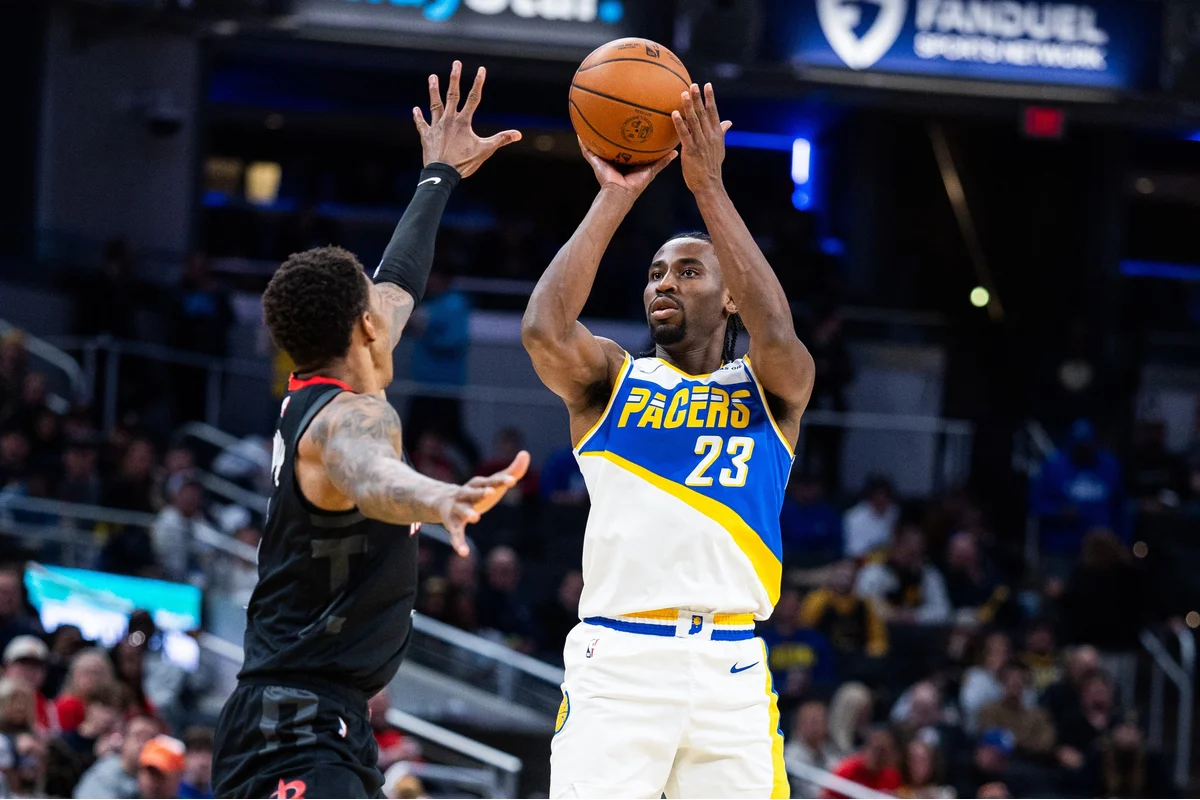
Indiana Pacers head coach Rick Carlisle sharply criticized the NBA’s recent inquiry into a $100,000 fine levied against his team, expressing outrage over the league’s conduct during the investigation. The dispute centers on whether forward Aaron Nesmith, sidelined by injury, was improperly withheld from play, with Carlisle alleging that NBA officials even questioned if Nesmith had been medicated to enable his participation in a game.
The conflict arose from a game in which Nesmith was clearly injured the night before and reportedly unable to hold the ball during play. Despite these facts, the NBA’s legal team concluded Nesmith should have been on the court, which led to the fine under the league’s anti-tanking rules designed to ensure competitive integrity.
League Investigation Conducted Without Direct Medical Evaluations or Team Consultations
Carlisle revealed that the NBA carried out its medical review without physically examining Nesmith or interviewing the Pacers’ medical personnel. He insisted that when the Pacers offered access to their team doctors to verify Nesmith’s injury status, the league declined the offer.
“They talked to their doctors who did not examine Aaron Nesmith, and we asked them if they wanted to talk to the kid, and they said no,”
Carlisle explained during a radio interview.
Further fueling Carlisle’s frustration was the league’s suggestion that the team might have medicated Nesmith to make him available for the game, a notion he described as unbelievable. His interview marked the first time details of the investigation process were publicly disclosed, coming at a time when the Pacers were struggling with a record roughly 30 games below .500.
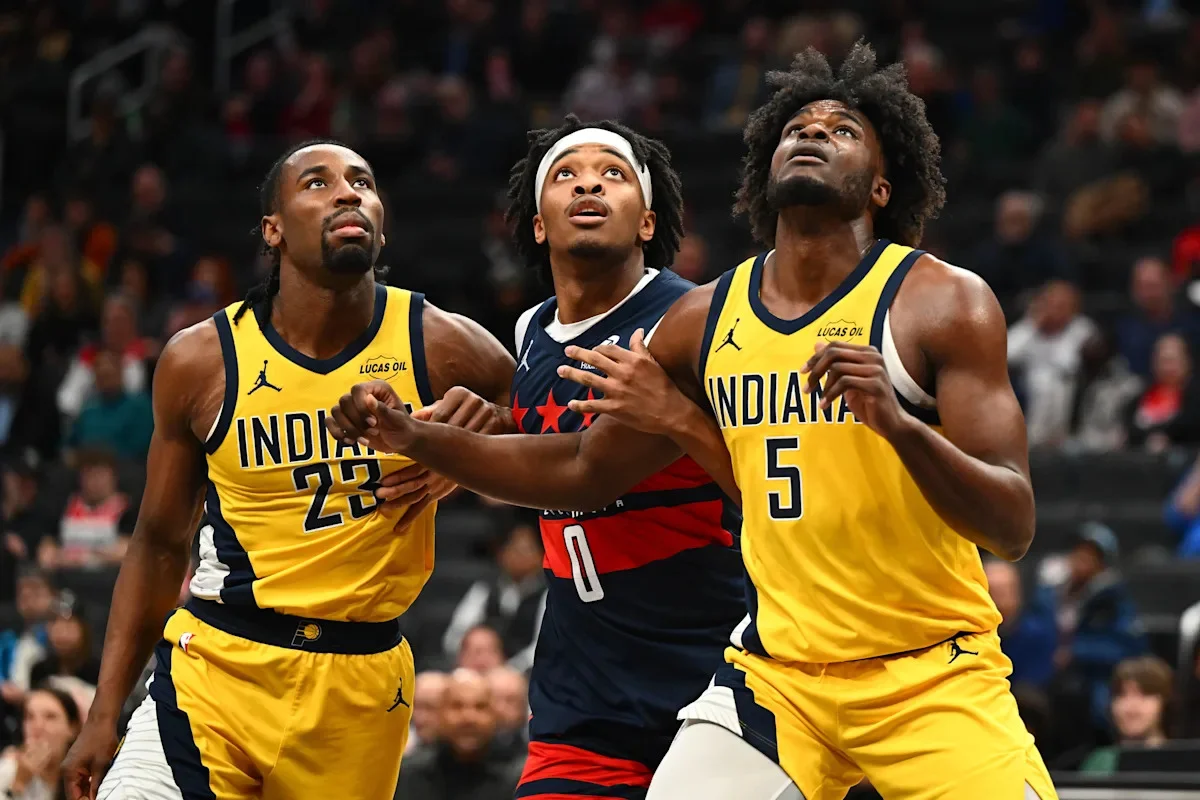
NBA’s $100,000 Fine Imposed Under Stricter Anti-Tanking Regulations
The financial penalty arises from the NBA’s player participation policy, introduced ahead of the 2023-24 season to combat tanking. This rule mandates that players must appear in at least 65 games to be eligible for significant awards and controls resting of healthy star players, especially during nationally televised matchups. Failure to comply triggers monetary fines.
Alongside the Pacers’ $100,000 fine, the Utah Jazz have already been fined $500,000 under the same framework this season. Commissioner Adam Silver publicly emphasized the league’s concern, stating that
“worse this year than we’ve seen in recent memory,”
referring to tanking, and announced plans for draft lottery reforms expected before the 2026-27 season.
Disagreement Over Who Holds Authority to Decide Player’s Fitness for Competition
At the heart of Carlisle’s criticism is the question of who should ultimately determine whether a player is medically fit to play. Teams employ their own medical staffs to assess injuries and make game availability decisions, while the NBA maintains oversight systems that can review these judgments if competitive integrity rules come into play.
Carlisle’s narrative suggests that the league overstepped by arriving at a ruling without directly examining Nesmith, consulting the team’s medical experts, or even interviewing the injured player himself. As of now, the NBA has not made public any detailed findings from the inquiry aside from confirming the fine.
Fine Remains in Place as Carlisle Stops Short of Launching Formal Appeal
The $100,000 fine stands firm under the current enforcement policies. Although Carlisle expressed clear dissatisfaction with both the process and outcome, he has not indicated that the Pacers intend to formally challenge the penalty at this time.
Carlisle’s decision to disclose specifics of the league’s investigative approach casts a spotlight on the tension between upholding competitive fairness and respecting team medical autonomy. The allegation that league officials contemplated medicating an injured Nesmith to meet playing requirements raises profound ethical and procedural questions about the intersection of medical judgment and league governance.
