
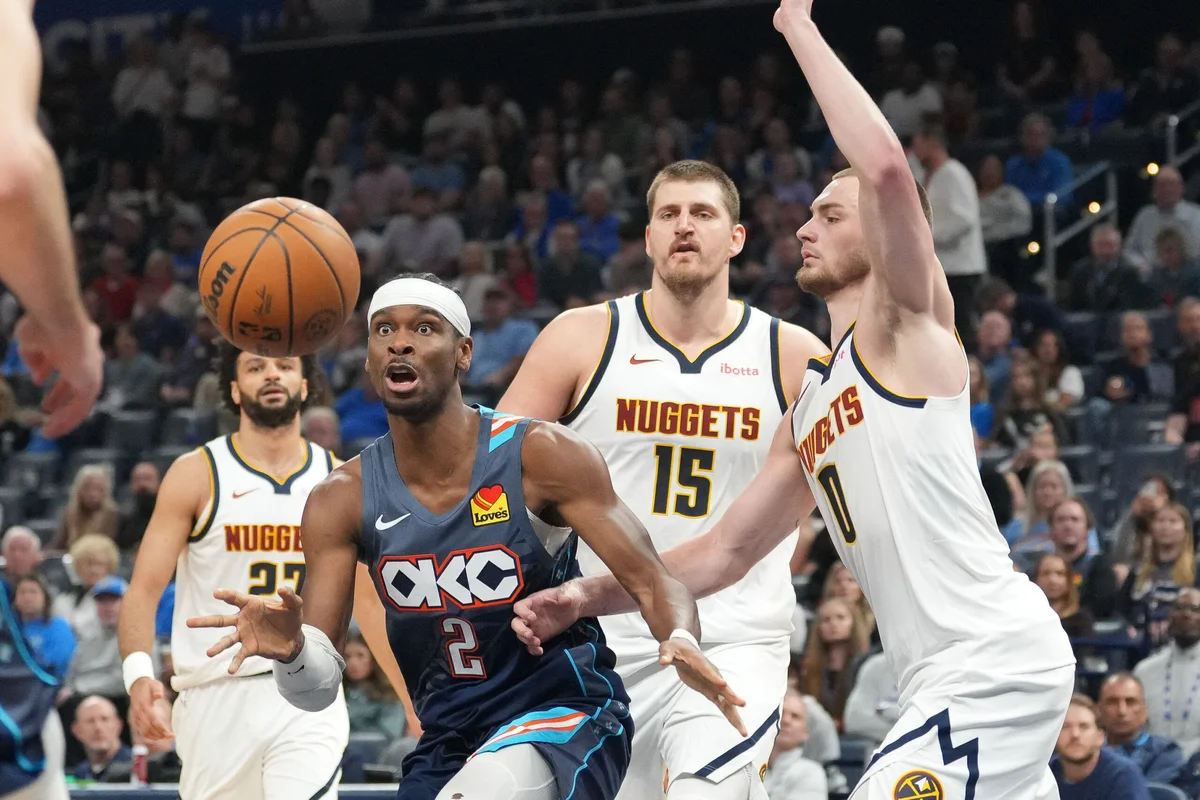
On Monday, March 2, 2026, the Denver Nuggets (37-23) will face the Utah Jazz (18-41) at the Delta Center in Salt Lake City, Utah. This game spotlights the Denver Nuggets vs Utah Jazz rivalry as Denver looks to continue their strong season while Utah aims to break free from a difficult stretch. The game will be broadcast on KJZZ and will test Denver’s potent offense against Utah’s struggling defense.
Recent Performance and Player Highlights from Denver’s Last Game
The Nuggets entered this contest following a narrow 127-121 loss to the Oklahoma City Thunder. Denver recorded a field goal shooting percentage of 41.7% (43 made from 103 attempts) and hit 18 of 48 three-pointers. They converted 17 of 22 free throws, marking a 77.3% success rate at the charity stripe. Denver pulled down 51 rebounds, including 11 on offense, and distributed 27 assists. Their defense forced 12 turnovers and recorded 10 steals during the game.
Oklahoma City outperformed them in shooting with a 46.5% field goal percentage (46 of 99), making 12 three-pointers. The Thunder capitalized at the free throw line, sinking 23 of 27 attempts (85.2%). They also secured 56 total rebounds (eight offensive) and blocked six shots. Denver committed 22 fouls compared to Oklahoma City’s 16, which slightly affected the flow of the game.
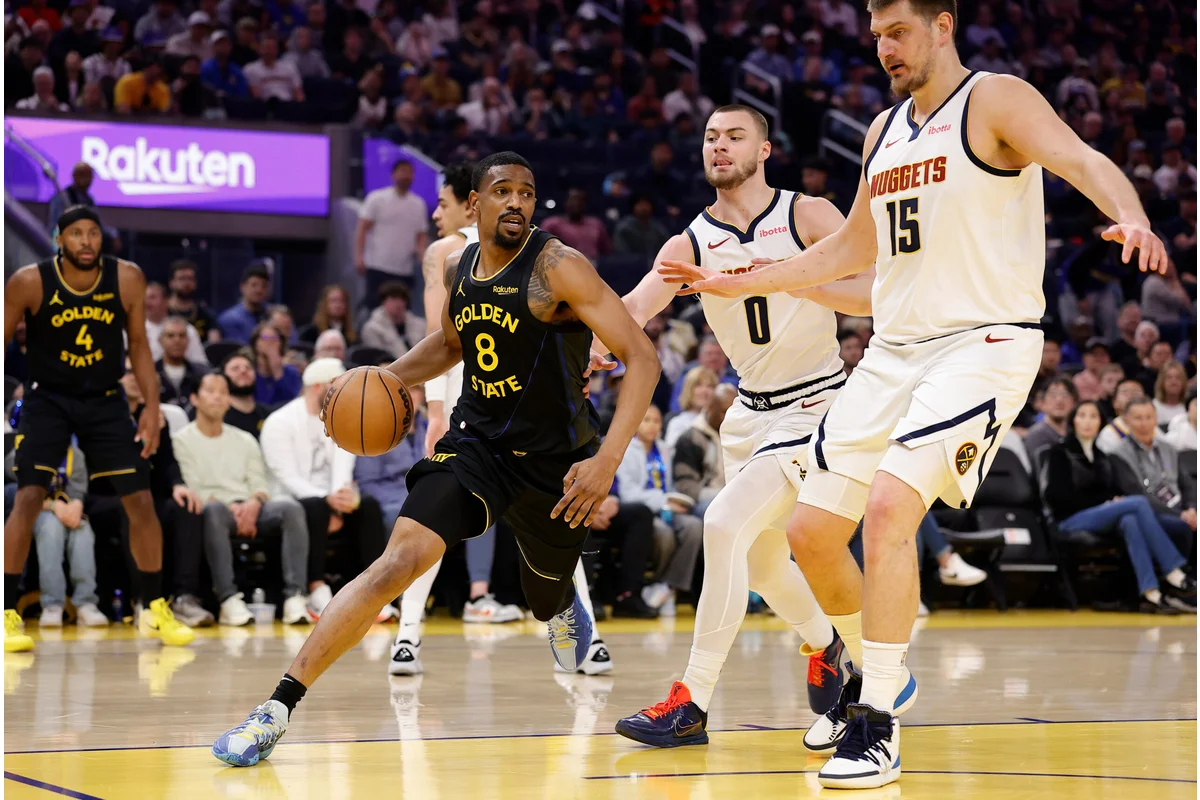
Jamal Murray stood out for Denver, scoring 39 points on 12 of 26 shooting. Playing 47 minutes, Murray also grabbed eight rebounds and contributed six assists, shooting 46.2% from the field. His performance was a key factor despite the team’s loss.
Denver Nuggets Statistical Overview and Season Context
The Nuggets enter this game as one of the league’s top offensive teams, averaging 120.5 points per game, ranking first in scoring. Denver shoots 49.2% from the field and 39.3% from beyond the arc on 830 of 2,113 attempts. Their free throw accuracy is strong as well, converting 80.6% of attempts.
Rebounding remains solid with 43.4 boards per contest, and Denver ranks eighth in the NBA in assists, tallying 1,689 on the season, reflecting good ball movement. However, they turn the ball over 13 times per game and commit about 19.1 fouls on average.
Defensively, Denver forces 12.2 turnovers per game and concedes 21.6 fouls. Opponents have hit 46.6% of their shots and Denver allows 42.9 rebounds each game. The Nuggets’ defense yields 34.9% shooting from three-point range and ranks 18th in points allowed per game, giving up 115.9 points on average.
Utah Jazz Struggle to Keep Pace Amid Defensive Woes
The Jazz come into this matchup with a 18-41 record, fresh off a 129-118 loss to the New Orleans Pelicans. Utah grabbed 37 rebounds (15 offensive, 22 defensive) but suffered from 18 turnovers, even as they forced 14 steals. The Jazz made 16 of 25 free throws, shooting 64% from the line, and hit 12 of 37 attempts from three-point range (32.4%). Their overall field goal shooting was 50%, converting 45 of 90 shots.
The Pelicans took advantage on offense, shooting 52.3% overall and 38.2% from three-point range, while making 24 of 27 free throws (88.9%). Utah allowed New Orleans to secure 40 total rebounds, 13 of which were offensive boards.
Ace Bailey provided a notable offensive effort for Utah, scoring 23 points on 9 of 17 shooting (52.9%) during his 29 minutes, alongside grabbing four rebounds and one assist, but it wasn’t enough to lift the team to victory.
Utah’s Season Performance in Offensive and Defensive Metrics
Utah’s offense averages 118 points per game, shooting 46.8% from the floor, which ranks mid-pack in the NBA. They collect 44.1 rebounds and are highly effective in playmaking, ranking second in the league with 29.9 assists per game. However, the Jazz also give up quite a few possessions, turning the ball over 16 times per game and committing 21.8 fouls, which places pressure on their defense.
Defensively, the Jazz rank last in the NBA in points allowed per game with 125.9. They do force a respectable 14.1 turnovers but allow opponents to shoot 49% overall and 37.3% from three-point territory. Opposing teams shoot 77.5% on free throws against them. Utah ranks 30th in opponent assists allowed with 30.5 per game and concedes 45 rebounds on average, ranking near the bottom in this category as well.
Implications for Monday’s Contest and What to Expect
The Denver Nuggets, led by stars such as Jamal Murray, enter the contest as the favored team, boasting superior offensive and defensive numbers compared to the struggling Utah Jazz. Denver’s ability to manage turnovers and sustain high-efficiency shooting could widen the gap against a Jazz team that has struggled defensively throughout the year.
Utah, on the other hand, will need significant defensive adjustments to contain Denver’s scoring and rebounding prowess. Their season-long issues in limiting points and controlling fouls present ongoing challenges, making this matchup an uphill battle.
Sports analysts like Josh Schonwald have already indicated confidence in Denver’s victory, reinforcing the expectation that the Nuggets will continue to assert dominance in this matchup. For Utah, the game represents an opportunity to halt a losing streak and sharpen their competitive edge on home court.
Overall, the Denver Nuggets vs Utah Jazz game is poised to reflect the contrasting trajectories of these Western Conference teams, providing an intense and potentially decisive encounter at the Delta Center in Salt Lake City.
