
The De’Andre Hunter trade has experienced a dramatic shift in perception over the last year, moving from optimism to disappointment and now returning to hopeful approval. This fluctuation coincides with the Cleveland Cavaliers’ recent winning streak, fueled by the impact of new additions, making the Hunter trade look more favorable in hindsight.
Originally, the Cavaliers were commended for prioritizing talent acquisition over financial considerations by bringing in Hunter to strengthen their playoff chances last season. With a roster already aiming high, securing a forward known for his size, defensive skills, and high-volume shooting appeared to be a decisive move. Cleveland rewarded themselves with a 64-win season and the top seed in the Eastern Conference, seeming to justify the trade.
Setbacks and Challenges with De’Andre Hunter
However, the promising start quickly faded as Hunter struggled significantly after a brief period of on-court success. Injuries and lack of effectiveness plagued him during crucial playoff games, leaving the Cavaliers unable to rely on the player they had counted on. This shortfall became even more apparent when other key teammates were unavailable, and Hunter’s inability to contribute as expected hurt the team’s postseason ambitions.
The following season did not offer relief, as Hunter continued to drag down lineup performance and lost his role to second-year wing Jaylon Tyson. With Cleveland faltering early in the campaign, their gamble on Hunter’s contract increasingly looked questionable, exacerbated by the complications of salary cap restrictions.
Another concern from their initial trade was the cost in draft assets. The Cavaliers gave up a first-round draft pick swap that seemed negligible initially, assuming Cleveland would remain atop the Eastern Conference standings. Their underperformance, however, meant the swap would activate, transferring a potentially valuable pick to another franchise, the San Antonio Spurs, threatening to weaken their future draft position.
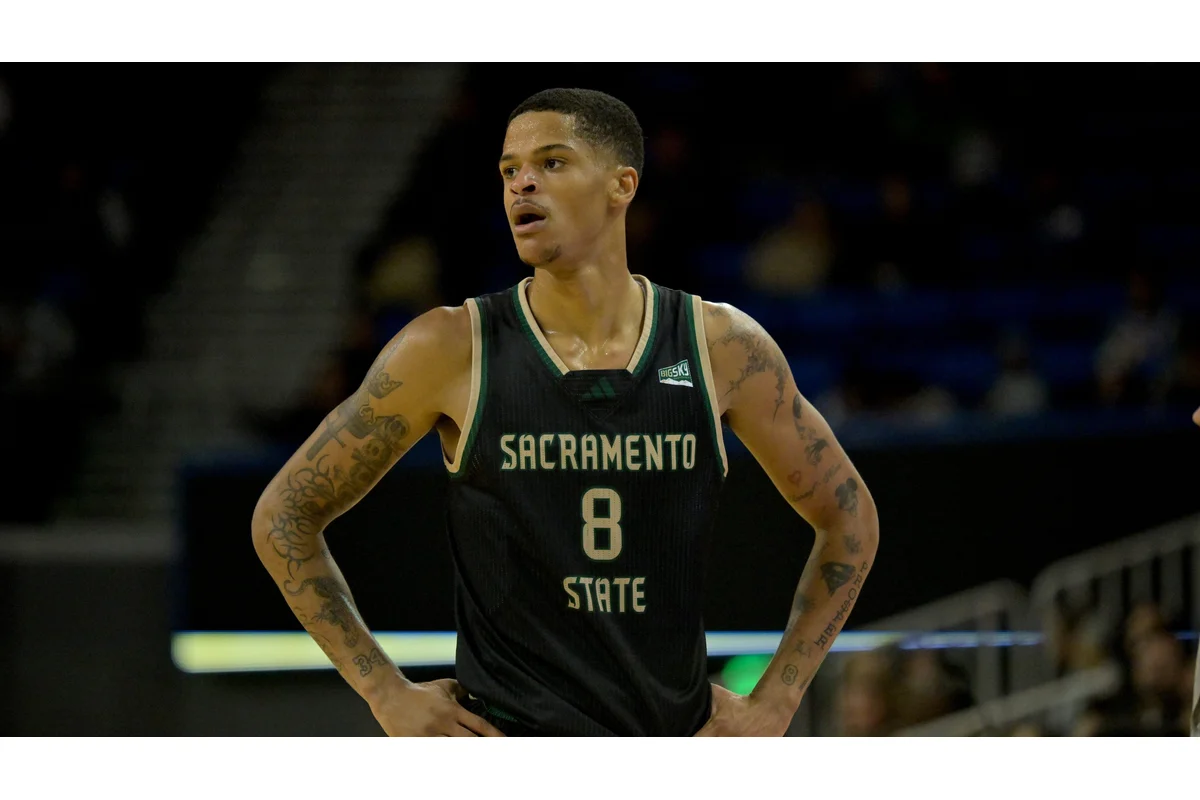
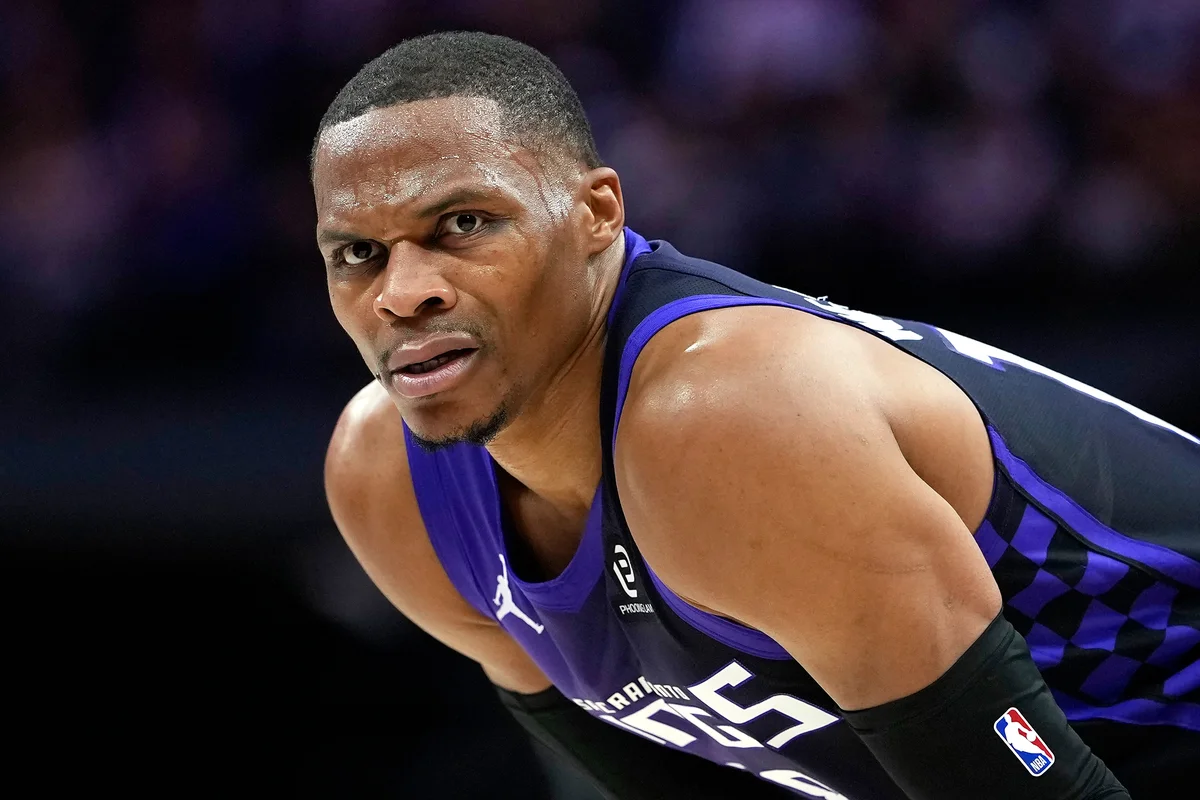
The turning point came at the trade deadline when the Cavaliers moved Hunter and a second-round pick to the Sacramento Kings, acquiring Dennis Schroder and Keon Ellis in return. This deal highlighted how the Kings still valued Hunter as a key asset, despite their tanking plans, while positioning Cleveland to benefit from new roster pieces.
How the Second Trade Reversed the Initial Hardship
Though Hunter is sidelined for the rest of the season due to eye surgery, the Cavaliers have since surged, winning 15 of their last 19 games and climbing to a strong playoff position in the Eastern Conference. While multiple players contribute to this success, Keon Ellis stands out as a critical addition, especially on the defensive end.
Ellis, who had a limited role with the Kings, has become a defensive force for Cleveland. Since his arrival just over a month ago, he has notched 19 steals and 15 blocks in 11 games, leading the Cavaliers in both steal and block percentages this season, even surpassing star Evan Mobley in blocked shots. His defensive presence has been impactful, all while costing the team just $2.3 million.
A further concern from the original Hunter trade involved a first-round pick swap with the Atlanta Hawks, initially threatening to push the Cavaliers far down the draft board. Early on, this appeared especially painful given Cleveland’s middling record and need for young, inexpensive talent.
Lessening Consequences of the Draft Pick Swap
As Cleveland’s performance has improved, the potential damage from this draft pick swap has diminished. The Hawks’ ongoing exchanges with the Spurs have introduced flexibility, with the Spurs holding one of the best records in the league and thus keeping the draft pick pushed lower in the first round.
Currently, the Cavaliers would move from approximately the 23rd pick to somewhere between 26th and 29th, with only a few games separating these positions. Given Cleveland’s forthcoming relatively manageable schedule, the slide in draft position may not carry the heavy cost once feared.
In retrospect, the initial Hunter trade may not be classified strictly as a win given the price paid and Hunter’s underperformance in the playoffs. However, the Cavs’ swift adjustments—acquiring defensive talent like Keon Ellis—have transformed their outlook significantly. What once seemed like a costly misstep has evolved into a step forward, with the Cavaliers steadily building momentum and enhancing their roster every day.
