
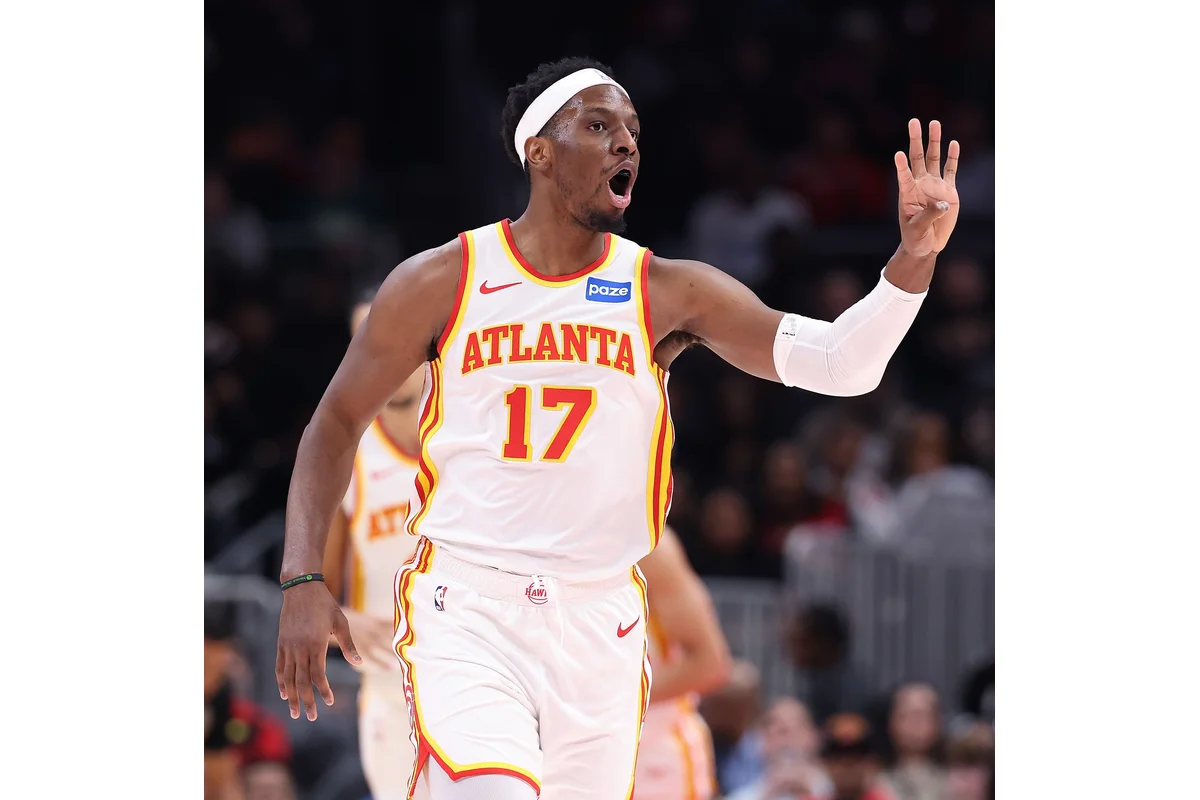
The Atlanta Hawks have officially canceled their planned Magic City Monday promotion, which was scheduled for March 16 during a game against the Orlando Magic. The decision came on March 9 after discussions involving NBA commissioner Adam Silver, who cited widespread concerns from fans, players, employees, and partners within the league. The move reflects sensitivity around associating an NBA event with the well-known Atlanta strip club Magic City.
The cancellation follows in the wake of vocal criticism by several NBA players and figures, including Luke Kornet and Al Horford, who expressed unease about the appropriateness of the promotion and its implications.
Reasoning Behind the Hawks’ Decision to Cancel the Event
The NBA issued a formal statement explaining the decision, emphasizing that the league reached out to Hawks leadership to better understand the intent behind the promotion but ultimately decided to cancel it due to significant apprehensions shared by multiple stakeholders.
Commissioner Adam Silver said,
“When we became aware of the Atlanta Hawks’ scheduled promotion, we reached out to Hawks leadership to better understand their plans and rationale. While we appreciate the team’s perspective and their desire to move forward, we have heard significant concerns from a broad array of league stakeholders, including fans, partners and employees. I believe canceling this promotion is the right decision for the broader NBA community.”
The Origins and Plans for Magic City Monday
The Hawks initially announced Magic City Monday earlier in March to celebrate Magic City, a popular Atlanta strip club seen as a cultural landmark. The promotion was designed to bring elements of Magic City’s unique atmosphere into State Farm Arena, featuring performances by Atlanta rapper T.I. during halftime and music curated by DJ Esco beforehand. Fans were also invited early to attend a live recording of the Hawks AF Podcast discussing the Magic City documentary and the club’s history in Atlanta’s music, sports, and cultural scenes.
The team planned to release a special Magic City x Atlanta Hawks hoodie and serve the club’s famous lemon pepper wings through Magic City Kitchen within the arena, aiming to honor what they termed an “iconic cultural institution.”
Player and Public Pushback Against the Promotion
The Hawks’ announcement triggered immediate criticism from some in the NBA community. San Antonio Spurs center Luke Kornet became a leading voice opposing the event, publishing a detailed essay urging the Hawks to cancel, arguing the league should prioritize respect for women and avoid promoting venues associated with their objectification.
Kornet wrote,
“The NBA should desire to protect and esteem women, many of whom work diligently every day to make this the best basketball league in the world. We should promote an atmosphere that is protective and respectful of the daughters, wives, sisters, mothers, and partners that we know and love. Allowing this night to go forward without protest would reflect poorly on us as an NBA community, specifically in being complicit in the potential objectification and mistreatment of women in our society.”
Following Kornet’s stand, former Hawks All-Star Al Horford publicly supported the message, sharing Kornet’s statement on social media with the caption, “Well said Luke.”
Hawks Respond to NBA and Community Concerns Over Promotion
After the NBA announced the cancellation, the Atlanta Hawks expressed disappointment but respected the league’s decision. The organization reiterated its ongoing commitment to authentically celebrating Atlanta’s culture in ways that unite the community.
The team stated,
“While we are very disappointed in the NBA’s decision to cancel our Magic City Night promotion, we fully respect its decision. As a franchise, we remain committed to celebrating the best of Atlanta — with authenticity — in ways that continue to unite and bring us all together.”
The Cultural Significance of Magic City in Atlanta
Magic City has been a well-known strip club in Atlanta since its establishment in 1985 and is owned by Michael “Magic” Barney. Over the years, it has grown beyond its nightlife reputation to become a considerable cultural institution, especially within the local hip-hop community, hosting performances and supporting the careers of many artists.
The club’s influence has been documented in the Starz docuseries Magic City: An American Fantasy, produced by Hawks’ principal owner Jami Gertz, highlighting its impact on Atlanta’s music, sports, and cultural landscape.
Reactions from NBA Figures and the Broader Community
The skepticism expressed by Luke Kornet captured a sentiment shared by other players and league figures who viewed the event as conflicting with NBA values. Kornet’s essay noted that multiple players across the league were surprised by the Hawks’ decision to celebrate Magic City in this manner, emphasizing the league’s responsibility to foster respect for women in all aspects.
Kornet reflected on his motivations, stating during an interview,
“I really just saw the statement last week, the announcement by the Hawks. Just in terms of like the public voice as it…”
Alongside Kornet’s vocal opposition, Al Horford’s supportive public endorsement added weight to calls for reconsideration. Their combined reactions contributed to growing pressure that ultimately influenced the cancellation.
Broader Implications and What Might Follow
The cancellation of the Magic City Monday event illustrates the complex balance sports organizations must navigate when engaging with culturally charged institutions. While Magic City holds undeniable significance within Atlanta’s cultural fabric, the backlash highlights ongoing concerns about how such venues are perceived in relation to promoting respect and inclusivity, particularly regarding women.
For the Atlanta Hawks and the NBA, this episode may lead to more cautious vetting of promotional partnerships in the future, aiming to align with evolving standards across league stakeholders. It also underscores the growing influence of player voices in shaping organizational decisions, signaling a shift towards more socially conscious engagement within professional sports.
Statement from NBA commissioner Adam Silver: “When we became aware of the Atlanta Hawks’ scheduled promotion, we reached out to Hawks leadership to better understand their plans and rationale. While we appreciate the team’s perspective and their desire to move forward, we have… https://t.co/mI3d9qvAF1
— Shams Charania (@ShamsCharania) March 9, 2026
— Atlanta HaWWWWWWks (@ATLHawks) March 9, 2026
Luke Kornet was asked what made him passionate to write his substack essay about ATL's Magic City Night, knowing the possible backlash from social media…
"I really just saw the statement last week, the announcement by the Hawks. Just in terms of like the public voice as it… pic.twitter.com/39l5Hl7HnH
— Cory Mose (@Cory_Mose) March 3, 2026
Luke Kornet is requesting the Hawks cancel tonight's "Magic City Monday" theme night with the iconic Atlanta strip club.
"The NBA should desire to protect and esteem women." pic.twitter.com/8gOuMlQ5zq
— Front Office Sports (@FOS) March 2, 2026
Well said Luke. pic.twitter.com/pGHxezOC1b
— Al Horford (@Al_Horford) March 3, 2026
