
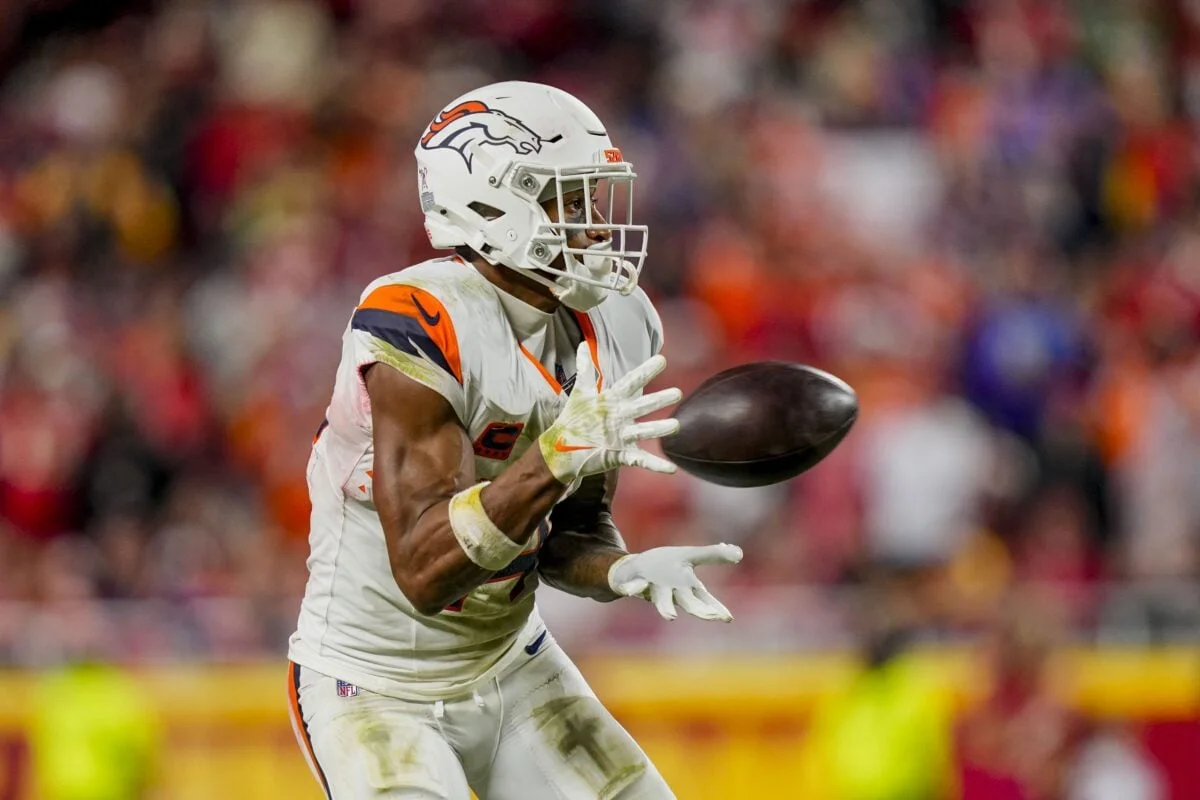
The Denver Broncos are entering a pivotal offseason as they aim to build on their near miss of a Super Bowl 60 appearance. With Super Bowl 61 within reach, the team recognizes the need for key improvements, particularly on offense, to transform potential into success. The offseason focus will heavily revolve around strengthening the wide receiver unit to enhance the passing attack.
While the Broncos attempted to address offensive weaknesses last year by adding new talent at wide receiver, running back, and tight end, the results were mixed. The wide receiver group remained below average in 2025, the running game showed little advancement, and tight end Evan Engram did not deliver the hoped-for production. Notably, Denver’s receivers struggled with dropped passes, with Courtland Sutton and Troy Franklin among those struggling to maintain consistency in catching the ball.
Why the Broncos Can No Longer Rely on Sutton as Their Primary Receiver
For several seasons, Courtland Sutton has been Denver’s leading target in the passing game, accumulating 155 catches for 2,098 yards and 15 touchdowns over the last two years. Despite these numbers, Sutton has caught less than 60 percent of targets in this span, signaling a plateau in his performance as the team’s primary receiver.
Although Sutton occasionally makes spectacular catches and critical conversions on third down, his overall production does not align with the expectations of a true WR1. Pro Football Reference highlights that Sutton has registered 17 drops since 2024 began, and his passer rating when targeted stands at only 90.5. This indicates a performance ceiling that hinders Denver’s ability to consistently move the ball downfield.
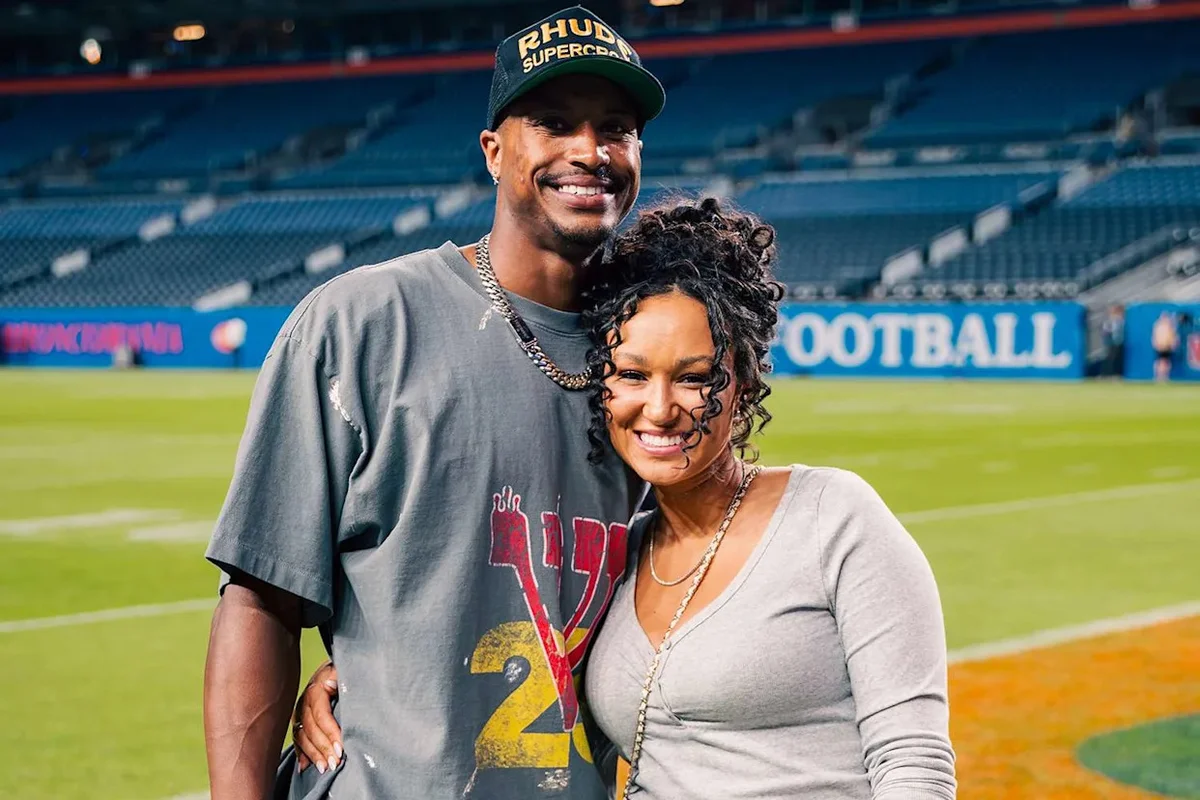
The root issue appears to be the disparity between Sutton’s usage and his effectiveness; he is targeted as often as top-tier receivers, yet his inability to fulfill that role fully has capped the passing game’s potential and contributed to costly drops. Many analysts suggest Sutton is better suited as a secondary receiving option rather than the primary target.
Looking Ahead: Adjusting Roles and Targeting Elite Receivers in Free Agency
At nearly 31 years old in 2026, Sutton may have only a few remaining years at his current performance level. The Broncos must confront this reality in the upcoming offseason and consider acquiring an established WR1 through trade or free agency to relieve pressure on him. Playing alongside a true number one receiver would allow Sutton to shift into a role where he faces less formidable coverage, such as no. 2 or no. 3 cornerbacks, potentially boosting his efficiency and reducing mistakes.
A move to bring in wideouts like AJ Brown or Jaylen Waddle has been suggested as a way to elevate the entire receiver group’s effectiveness and provide Sutton an opportunity to thrive as a complementary player. This adjustment would accommodate the strengths Sutton has demonstrated, while addressing the demanding skill set required of a top receiver in the NFL.
While Sutton remains a beloved figure in Denver’s locker room and an exemplary teammate, these performance realities demand honest assessment and strategic action. The Broncos’ upcoming decisions around their offensive weapons will likely shape their competitiveness in the near future, highlighting the importance of both personnel moves and role clarification.
Upgrading the receiver corps and accepting Sutton’s best fit could be key to unlocking Denver’s passing offense and pushing the franchise toward a genuine Super Bowl contender status.
