
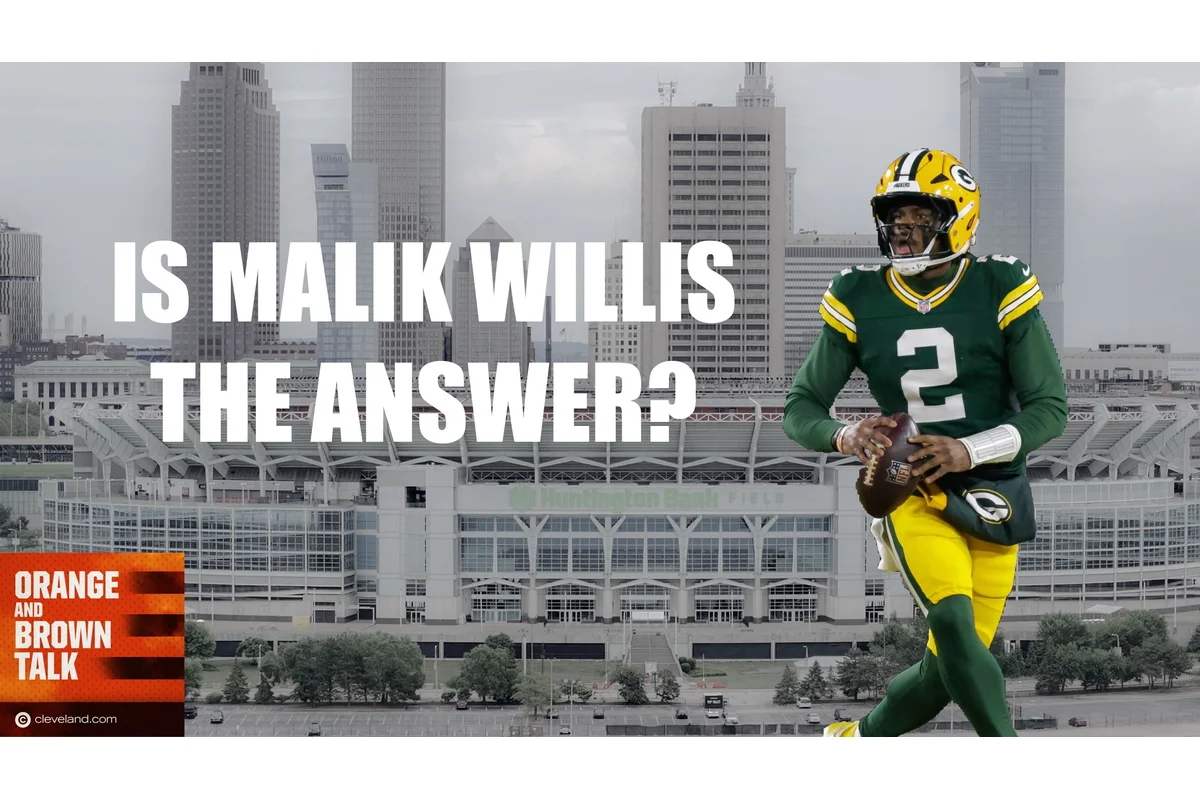
As the Miami Dolphins evaluate their quarterback options for the future, speculation about Malik Willis joining the team has increased amid uncertainty surrounding Tua Tagovailoa’s position. However, financial complexities and Willis’ growing free-agent value suggest that a reunion between Willis and Miami may not be straightforward.
Financial Challenges Affecting Miami’s Quarterback Decisions
NFL insider Ian Rapoport recently discussed Miami’s quarterback situation during an interview with Rich Eisen, highlighting why acquiring Malik Willis might be more difficult than it appears. While some view Willis as a natural fit due to his past connections with Miami’s new general manager Jon-Eric Sullivan and head coach Jeff Hafley—both linked to Willis from their time in Green Bay—monetary constraints could limit the Dolphins’ options.
Rapoport explained that if Miami opts to trade Tagovailoa, the team would need to absorb a large portion of his guaranteed $54 million salary for the 2026 season. Letting him go immediately would trigger significant dead cap penalties, with a trade still costing Miami about $45 million against the salary cap.
If they are gonna do a trade, they are gonna eat a lot of the salary,
Rapoport said.
So it would really be just like, can they say whatever the number is, five or ten, and get some sort of draft pick, like a mid-round pick, something like that. So either way, cap-wise, it’s stable.
This financial reality means that moving on from Tagovailoa won’t free up as much salary cap space as many expect, putting pressure on any new quarterback acquisitions, including Willis.
Malik Willis Faces High Demand on the Free-Agent Market
Willis is entering free agency with strong momentum after an impressive finish to the 2025 NFL season. In limited playing time, he completed 85.7% of his passes during his late-season starts, achieving a passer rating of 145.5 across four games. He recorded 422 passing yards, three touchdowns, and no interceptions, while also demonstrating effective mobility. His performance earned him an 89 grade in PFSN’s Quarterback Impact Metric during his final appearance of the year.
However, the Dolphins’ financial situation remains strained despite creating some salary cap relief by releasing veterans like Bradley Chubb and Tyreek Hill. Tagovailoa’s contract remains a major cap obstacle for Miami in 2026.
Regarding Willis’ market prospects, Rapoport noted:
I think Malik Willis is just gonna have a really, really good market. Like, when he’s played in some tough situations, he has been really impressive. So can they find a way to keep him under the cap? I don’t know, because they’re gonna have competition.
This suggests Willis may attract lucrative offers from several teams, complicating Miami’s ability to secure him without significant cap maneuvering.
Tua Tagovailoa’s Role Adds Another Layer of Complexity
Tagovailoa’s performance during the 2025 season raises questions about the Dolphins’ quarterback future. He ranked 27th in PFSN’s Quarterback Impact Metric, completing 67.7% of his passes for 2,660 yards with 20 touchdowns and 15 interceptions. Additionally, he was responsible for 30 sacks, and he was ultimately benched for Miami’s final three games.
Given this performance and the substantial salary commitment, Miami faces a difficult decision regarding whether to retain Tagovailoa or move on, especially with Willis appearing as a promising alternative but one that could be costly to acquire and retain.
Implications for Miami’s Quarterback Strategy Moving Forward
The assumptions that Malik Willis would seamlessly replace Tua Tagovailoa for Miami overlook the financial realities and competitive free-agent market pressures. Although Willis possesses the skill set and connections with Miami’s current leadership, his rising stock and the cap hurdles associated with Tagovailoa limit the straightforwardness of any transition.
As free agency and roster decisions approach, Miami will need to weigh the costs and benefits carefully, balancing potential upgrades at quarterback with the financial structure required to remain competitive in the NFL.
💻 @RapSheet #PhinsUp released several high-profile players over the weekend — is Tua next? What is their plan this offseason?#NFL pic.twitter.com/0skNnJsd92
— Rich Eisen Show (@RichEisenShow) February 17, 2026
