
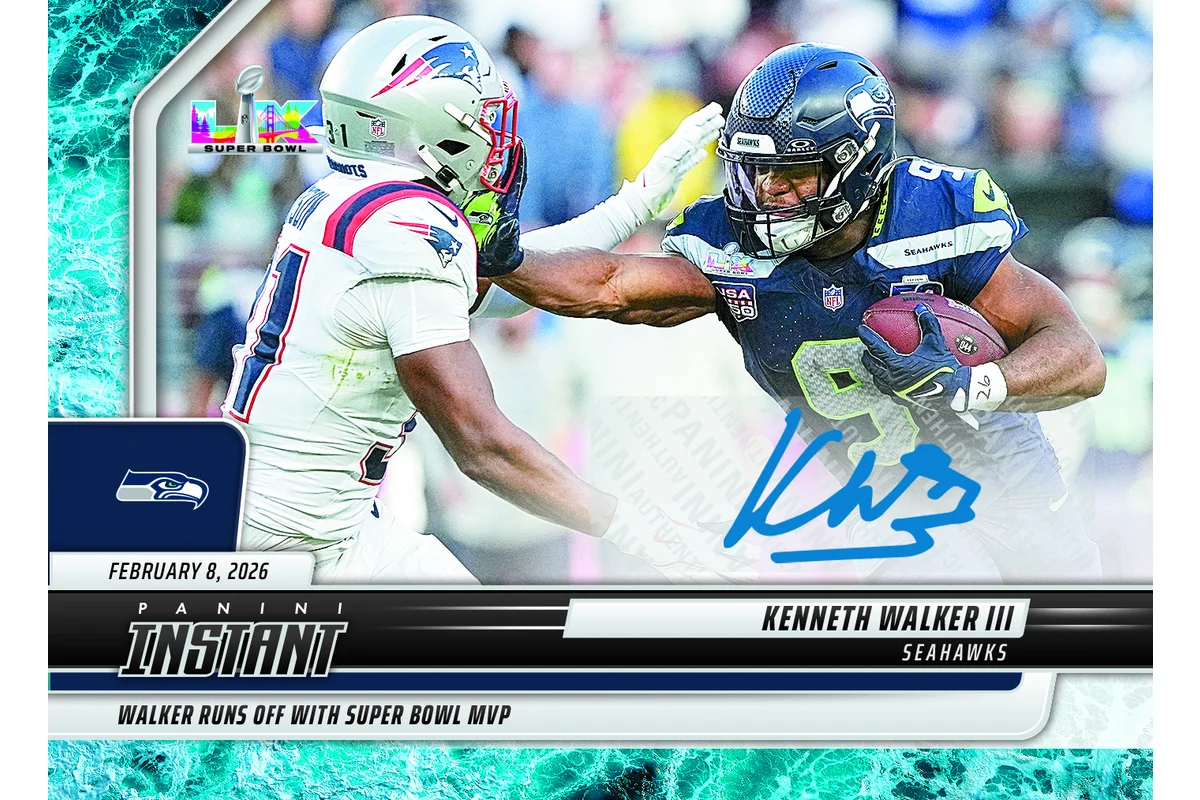
Kenneth Walker III, the standout running back who powered the Seattle Seahawks through the playoffs and earned Super Bowl LV MVP honors, may still be viewed as expendable by the team heading into the 2026 free agency period. This perspective is largely tied to the Seahawks’ continued commitment to a run-heavy offensive scheme rooted in the Shanahan/Kubiak coaching tree, which treats running backs as replaceable assets.
Despite Walker’s impressive postseason performance, the Seahawks’ system and upcoming roster decisions suggest they might not retain him long term, favoring younger, more cost-efficient options aligned with their offensive philosophy. The Seahawks’ reluctance to apply the franchise tag to Walker highlights this approach, raising questions about the team’s priorities as they prepare for the future.
The Seahawk Offense’s Legacy of Viewing Running Backs as Interchangeable
The offense that Seattle continues to run is shaped by the legacy of Mike Shanahan and Gary Kubiak, a style known for producing talented running backs yet simultaneously diminishing their perceived value. This offensive model emphasizes outside zone-stretch running plays which have proved successful for many backs, fostering a belief that individual running backs are more interchangeable than irreplaceable.
Historically, this scheme has elevated numerous backs who flourished within its structure. In Denver, players such as Olandis Gary, Mike Anderson, and Clinton Portis achieved 1,000-yard rushing seasons. Washington produced Alfred Morris, a sixth-round pick who quickly became a 1,000-yard rusher in 2011. Today, Kyle Shanahan applies a similar system with the San Francisco 49ers, where backs like Matt Breida and Raheem Mostert have thrived.
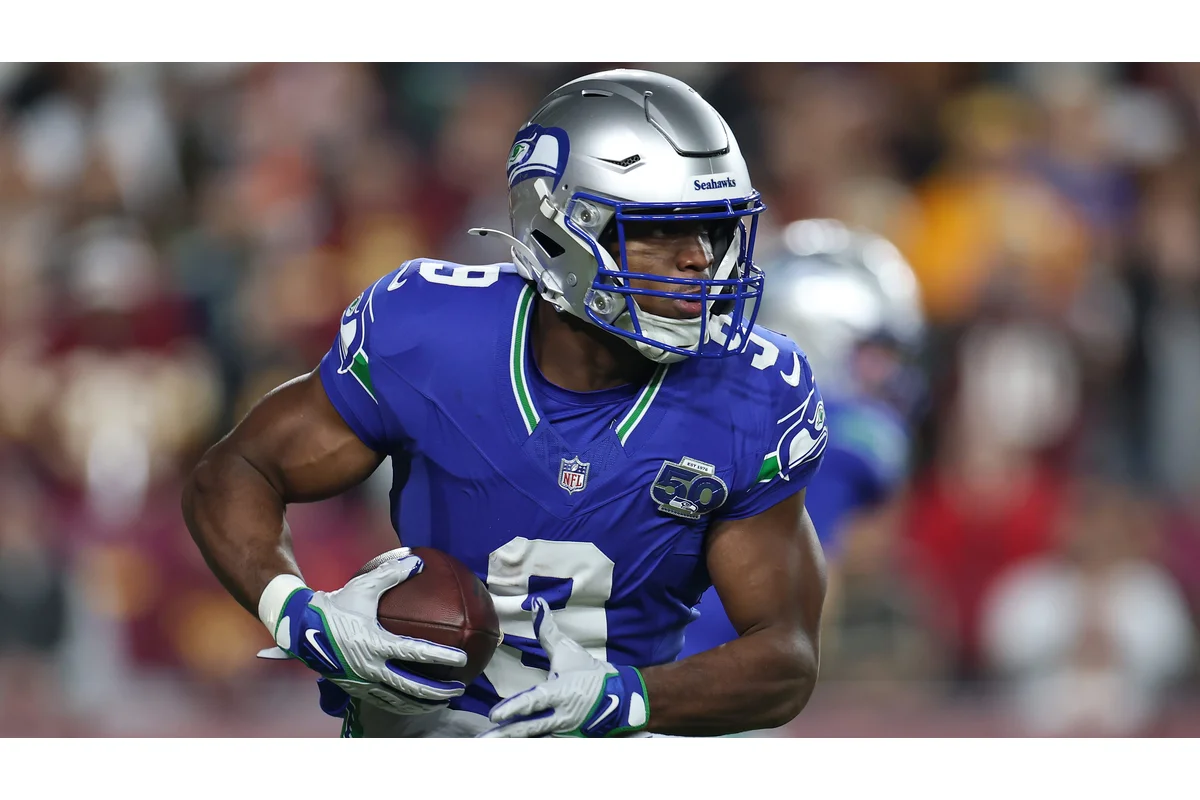
With Klint Kubiak’s departure to the Las Vegas Raiders, Seattle’s offensive leadership transitioned to Brian Fleury, a former tight ends coach familiar with Shanahan’s principles. Fleury’s experience as the 49ers’ run-game coordinator ties him directly to the system that runs through Seattle’s play-calling. The Seahawks are set to maintain their traditional run-first and play-action passing strategy, which inherently keeps the running back position viewed through a replaceable lens.
Why Kenneth Walker III’s Situation Is More Complex Than It Seems
Although the Seahawks’ offensive philosophy tends to treat running backs as commodities, Kenneth Walker III stands out as an exceptional talent who could challenge this norm. Walker demonstrated elite ability throughout the playoffs, earning accolades that remind fans of the rarity of a running back of his caliber, especially one honored as Super Bowl MVP—the first since Terrell Davis achieved the same feat.
Brian Fleury’s coordination with the 49ers exposed him to working alongside Christian McCaffrey, a distinguished running back who has elevated the Shanahan system with his rare talents, winning the 2023 NFL Offensive Player of the Year award. Walker’s potential to similarly transform the Seahawks’ offense, combining patience, fluidity, and explosiveness, makes his possible departure a strategic gamble.
General manager John Schneider’s overt nonchalance regarding Walker’s contract talks does not fully capture the gravity of the decision facing the Seahawks. While the front office could draft or sign younger, cheaper backs to fill Walker’s role, replicating his unique blend of skills and impact would be a significant challenge.
The Implications of the Seahawks’ Approach to Running Back Management
Seattle’s adherence to a Shanahan/Kubiak-influenced ground game signals that the team prioritizes system continuity over individual player retention, especially in the running back position. This approach aligns with the belief that the 2026 draft class’s depth will enable the Seahawks to find cost-effective replacements without jeopardizing offensive efficiency.
The decision to let a Super Bowl MVP like Walker potentially test the free-agent market reflects a broader, business-oriented mindset, emphasizing fiscal strategy and long-term planning. As NFL Media analyst Bucky Brooks noted,
“Given the depth of the 2026 RB class and the Seahawks’ belief in the Shanahan/Kubiak system, which has always viewed RB as disposable assets, the Walker news is not surprising. The ‘Hawks will likely target a RB on Day 2 to replace the SB MVP with a younger and cheaper option…. As they say, ‘It’s business, never personal.’”
— Bucky Brooks, NFL Media Analyst
Ultimately, the Seahawks are balancing respect for Walker’s contributions with the realities of salary cap management and offensive philosophy. Their choice will influence how the team shapes its backfield ahead of the 2026 NFL season and the extent to which they continue the legacy of producing interchangeable running backs.
Given the depth of the 2026 RB class and the Seahawks’ belief in the Shanahan/Kubiak system, which has always viewed RB as disposable assets, the Walker news is not surprising. The ‘Hawks will likely target a RB on Day 2 to replace the SB MVP with a younger and cheaper option….… https://t.co/9dlnw98GAr
— Bucky Brooks (@BuckyBrooks) February 17, 2026
Kenneth Walker III had 161 scrimmage yards in #SuperBowlLX, the most by a RB since Terrell Davis in Super Bowl XXXII.
That was the last time a RB won Super Bowl MVP. @Seahawks
— NFL Researcher (@NFL_Researcher) February 9, 2026
