
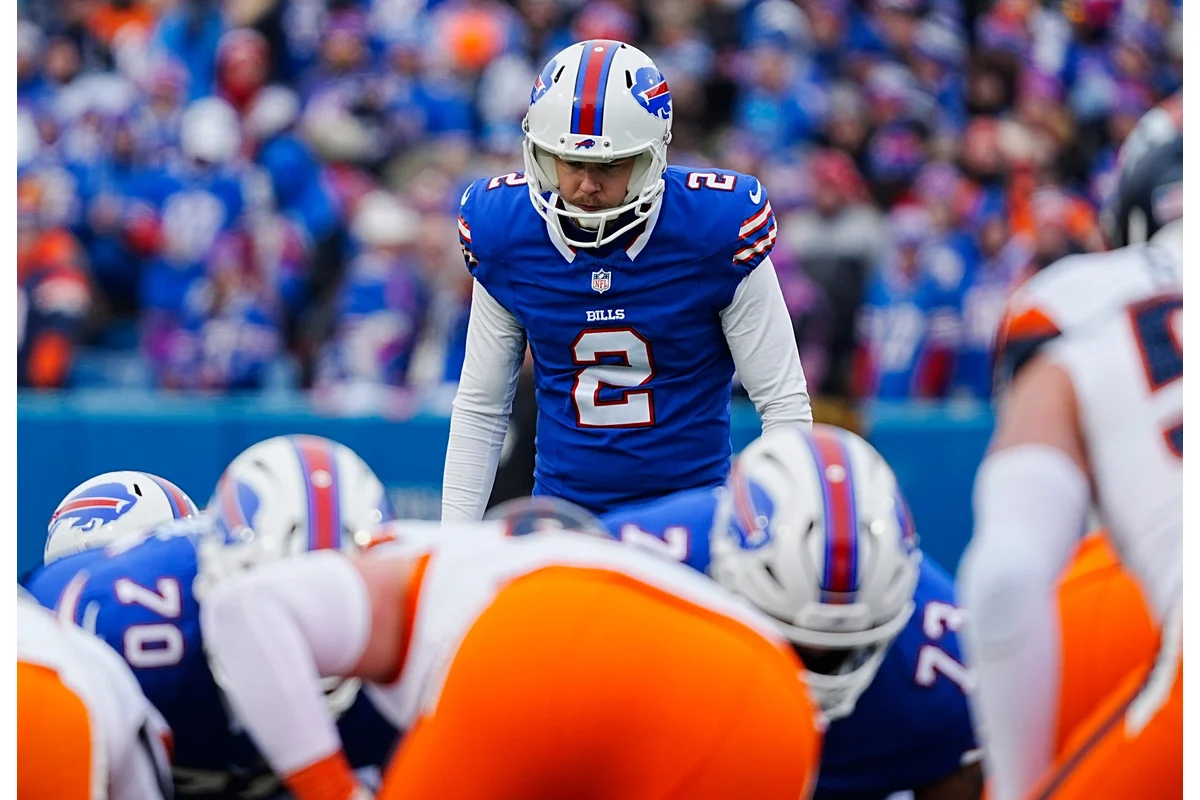
The Buffalo Bills face a difficult free agency landscape in 2026 as they look to address critical roster weaknesses. With pressing needs at wide receiver and a weakening offensive line, the team must carefully navigate the challenges of the 2026 Buffalo Bills free agency pitfalls to avoid costly mistakes that could hamper their progress.
Critical Free Agents Buffalo Should Steer Clear Of This Year
As the Bills enter 2026, their roster shows alarming gaps, particularly at wide receiver and on the defensive front. Their previously reliable defensive line did not perform well in the playoffs, and now the interior offensive line is losing two of three key players. The team’s salary cap situation compounds these issues, creating a difficult environment for adding top-tier free agents.
While every offseason offers opportunities to improve, the 2026 free agent market carries many risks. The Bills have made several questionable signings in recent years, often overpaying or betting on veterans past their prime. This year requires a more cautious approach, recognizing that some available players pose more harm than help.
Why George Pickens Is Not the Answer at Wide Receiver
George Pickens stands out as one of the most talented receivers available, young and showing promise for a long-term role. However, the timing is off for the Bills to invest heavily in a receiver with an anticipated $30 million per season contract. The overall 2026 wide receiver market is weak, and the Bills risk overpaying for players whose production does not justify such high salaries.
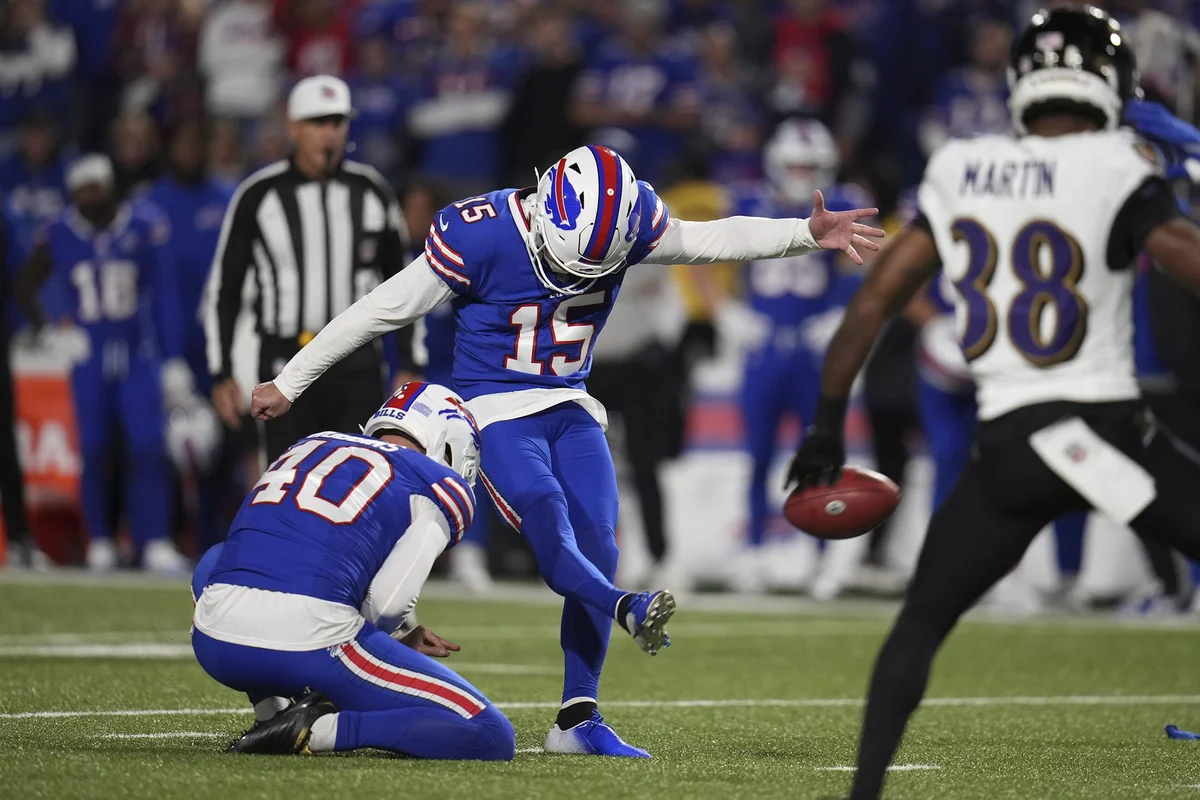
Adding Pickens could deepen the team’s salary cap struggles without fully solving the receiver problem. Given the questionable market conditions, the Bills would be better served focusing on acquiring receivers through the draft or trades rather than sinking resources into expensive free agents.
Khalil Mack’s Price Tag Outweighs His Potential Returns
Khalil Mack remains a strong pass-rusher despite being 35 years old, but his $18 million average annual value is prohibitive given his recent output. With only 5.5 sacks and 32 tackles last season for the Chargers, his performance does not match such a hefty price. Buffalo has previously spent excessively on aging defensive ends and gained limited results, making Mack another risky investment.
Deebo Samuel’s Style Does Not Fit Buffalo’s Offensive Scheme
Deebo Samuel faces similar obstacles as Pickens regarding the free agency market’s timing and cost. His unique skill set, while valuable, does not align with the Bills’ recent struggles in deploying horizontal, streaky receivers. Past coaching errors, more than personnel deficits, have hindered this style’s success in Buffalo’s offense.
Samuel’s strengths might not be fully utilized within the Bills’ offensive system, reducing his potential impact and making him a less attractive target despite his talent.
Trey Hendrickson’s Injuries Make Him a Hazardous Option
Among the six, Trey Hendrickson arguably offers the most on-field value but represents a tough risk. After missing nine games and ultimately requiring core muscle surgery in December, his availability is in question. At an expected $25 million per season contract, the Bills would be hard pressed to fit him under their defensive end budget while mitigating the risk of further injuries.
Buffalo has generally shied away from aging players with recent injuries, and Hendrickson’s situation fits that profile. His injury history and expected cost place him beyond practical reach.
Tyler Linderbaum’s Cost and Experience Limit His Appeal
Buffalo appears to have identified Sedrick Van Pran-Granger as a potential successor on the offensive line behind Connor McGovern. Tyler Linderbaum, although an upgrade, demands a higher salary and more experience than the team is willing to commit to right now. The Bills need to focus on younger and more cost-effective players to rebuild their line.
Allowing Van Pran-Granger to develop as a starter is a calculated risk that could pay dividends without the salary hit Linderbaum’s acquisition would bring.
Tyreek Hill’s Uncertain Health Makes Him an Unrealistic Target
Tyreek Hill brings undeniable skill and production, but after suffering a severe injury this past season, there is no guarantee he will return to play at the same level, or at all. His release by the Miami Dolphins places him on the market, but the severity of his health issues makes him a non-starter for Buffalo.
The Bills have no need to expend resources or cap space on a marquee free agent who carries such significant question marks about his playing future.
Implications for Buffalo’s Offseason Strategy and Outlook
The 2026 Buffalo Bills free agency pitfalls suggest the team must exercise caution in pursuing top-tier names that come with high salaries or injury concerns. With a franchise that is balancing significant roster needs against salary cap constraints, making the wrong choice could set back the team’s progress.
Instead, the Bills are likely to focus on drafting promising talent and targeting value signings that fit their system and budget. Avoiding these six players—George Pickens, Khalil Mack, Deebo Samuel, Trey Hendrickson, Tyler Linderbaum, and Tyreek Hill—could help the Bills maintain financial flexibility and build a more sustainable roster going forward.
