
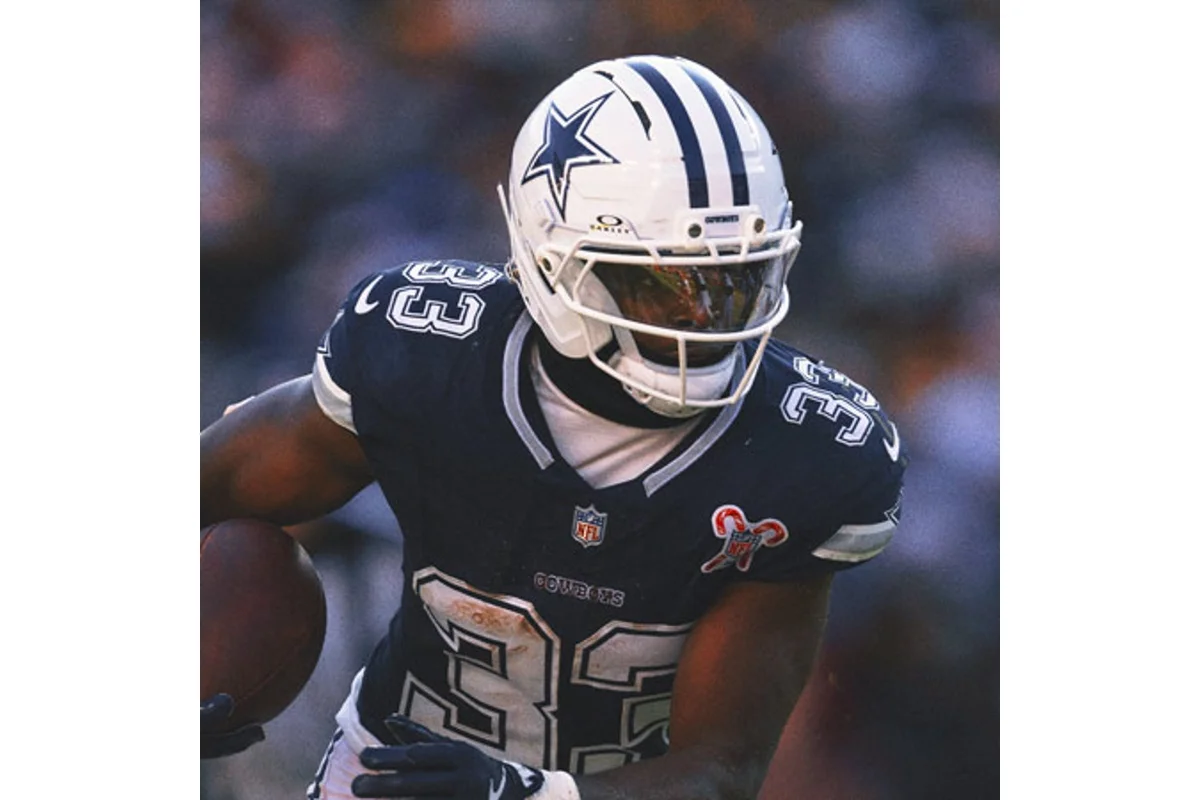
Running back Javonte Williams chose to bet on himself last year by signing a one-year deal worth $3 million. He responded with a standout performance, rushing for a career-high 1,200 yards. As a result, Williams secured a three-year contract valued at $24 million to remain with the Dallas Cowboys, a deal that shines a light on the complexities of the running back market and contract valuations.
How Contract Reports Can Mislead Expectations
The Williams contract was the first major agreement signed by a free agent ahead of the new season, yet initial reports often exaggerate the contract’s actual value. For instance, the reported $16 million in guarantees likely do not represent fully guaranteed money at signing, and details about the contract’s structure remain unclear. Early scoops generally favor sensational figures that create a perception more favorable than reality, as reporters sharing initial news seldom provide comprehensive, verified details.
The Hidden Undervaluation of Running Backs
Even if the reported $8 million annual average for Williams is accurate, it places him only 16th among current running backs. Williams agreed to this deal before the NFL’s annual tampering period in Indianapolis, where he may have discovered that other offers could have been more lucrative. The Cowboys may have worked hard to prevent such bidding wars, possibly negotiating directly with Williams in ways that skirt collective bargaining rules.
Market Comparisons with Top Running Backs
When considering the open market, only elite running backs command top-tier contracts. Saquon Barkley of the Philadelphia Eagles leads with an average of $20.6 million per year, while Christian McCaffrey of the San Francisco 49ers holds a deal averaging $19 million annually. This gap highlights an essential reality: the demand for running backs is limited compared to the available supply.
Supply and Demand Dynamics in the Running Back Position
The abundance of capable running backs arising from college football each year means teams have many options, often opting for younger, cheaper, and healthier players acquired through the draft over expensive veterans. Many running backs have their best performances while on rookie contracts, after which teams frequently pursue replacements rather than investing heavily in established veterans.
Impact of Williams’ Deal on Upcoming Free Agents
While the Cowboys secured Williams before he could explore other offers, his contract has set a benchmark that will influence negotiations for other running backs aiming for new deals. Players such as Kenneth Walker III, Breece Hall, Travis Etienne, Rico Dowdle, Rachaad White, Isiah Pacheco, and JK Dobbins will face the challenge of surpassing the $8 million mark set for a back who rushed for 1,200 yards last season.
Jahmyr Gibbs’ Contract Outlook Amid the Current Market
Lions running back Jahmyr Gibbs, eligible for a second contract, has exhibited the kind of talent warranting a market-level salary. However, the Williams contract may place downward pressure on what the Lions offer.
Gibbs, whose ability aligns more closely with stars like Barkley and McCaffrey than other upcoming free agents, should theoretically command a higher deal. Despite this, the Williams agreement underscores how the running back market remains constrained, reflecting broader uncertainties in valuing the position adequately.
The Broader Significance for NFL Running Back Contracts
The Williams contract highlights the uneasy state of financial valuations for running backs across the league. As teams continue to prioritize youth and cost-saving measures, the offers available to veteran players entering free agency remain limited. This dynamic will compel running backs and their agents to navigate a market that undervalues the position despite demonstrated performance, affecting contract negotiations for years to come.
