
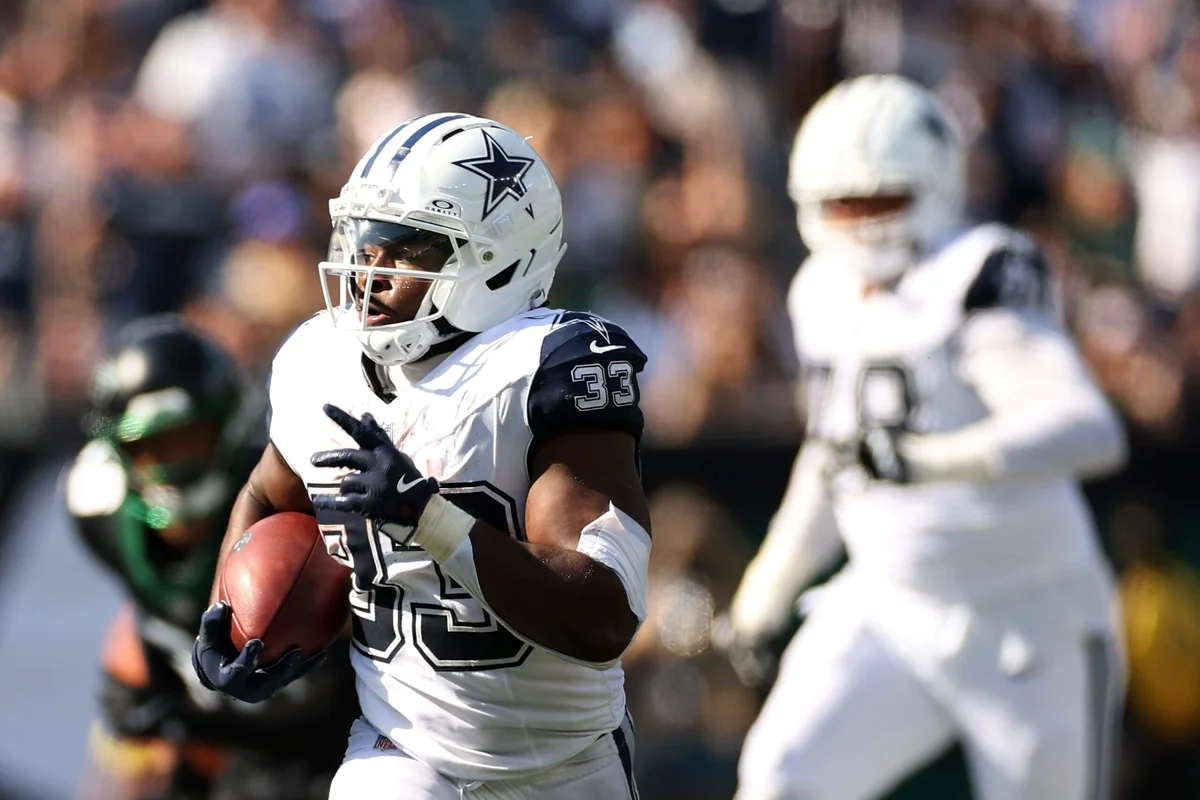
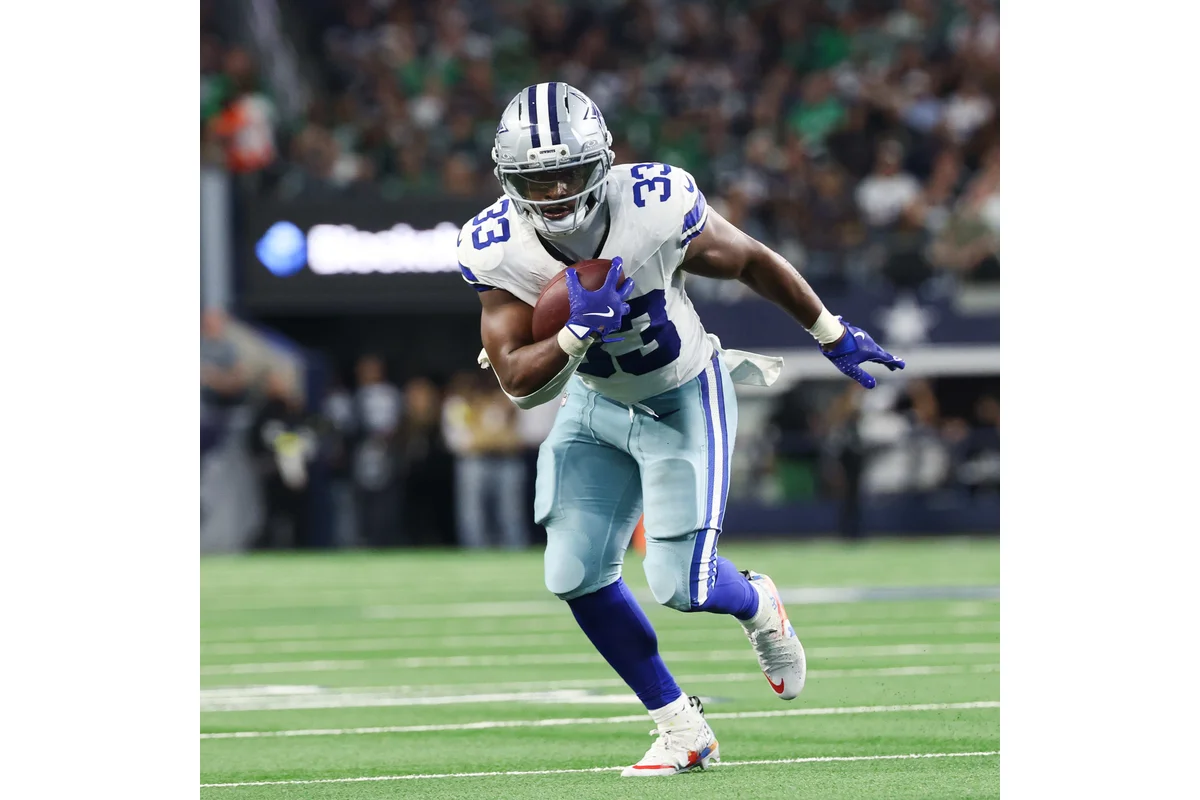
Jerry Jones secured Javonte Williams with a new contract in 2024, signaling an important step for the Dallas Cowboys as they prepare for the upcoming season. The deal comes at a relatively modest cost compared to previous running back contracts, yet Williams now stands at 26 and arguably exhibits more potential than Zeke Elliott did at the same career stage. This new contract impact gives the Cowboys a solid foundation at the running back position but does not solve the bigger challenges looming over the franchise.
Comparison to Past Contract Decisions Reflects Ongoing Strategy Issues
Recalling the 2019 offseason, Jerry Jones prioritized extending Zeke Elliott’s contract with a six-year, $90 million deal, despite quarterback Dak Prescott’s imminent need for a new agreement. At that time, only a few running backs such as Saquon Barkley and Christian McCaffrey earned more annually than Elliott, pointing to a misaligned investment strategy. By contrast, the Williams deal costs less than a third of Elliott’s overall extension, underscoring the Cowboys’ attempt to maintain value while capturing promising talent.
Jones’ focus on Williams stems from his power and explosiveness, traits reminiscent of Elliott’s peak form but more cost-efficient. Nonetheless, this strategic move raises questions about the true priorities within the roster, as Williams was signed before addressing the quarterback situation or other critical free-agent issues.
Remaining Contract Negotiations Create Uncertainty
While signing Williams was a straightforward decision, several significant player negotiations remain unsettled. Wide receiver George Pickens is at a crossroads, with the possible use of the franchise tag looming if a long-term agreement cannot be reached. Pickens, viewed by many as one of the most talented receivers with his combination of size, speed, and route-running skills, faces scrutiny over his commitment on and off the field, complicating discussions.
The Cowboys could keep Pickens under the franchise tag for $28 million this fall, a solution that provides a temporary fix but risks tension if Pickens resists or misses games.
Edge Rush and Defensive Needs Pose Major Challenges
The Cowboys’ defense remains a major concern heading into the offseason. Their best pass rusher last season was Jadeveon Clowney, a 32-year-old veteran who arrived late and logged only 8.5 sacks in 13 games—the best numbers he’s produced in recent years. However, skepticism surrounds his consistency and future value, especially compared to former Cowboy DeMarcus Lawrence, who secured a three-year, $32 million deal with the Seattle Seahawks.
Clowney earned $3.4 million last year and could now seek a contract far exceeding that amount, complicating Dallas’ plans. The team also lacks depth on the edge and may struggle to acquire the top rookies like Arvell Reese, David Bailey, and Rueben Bain. This scarcity amplifies the importance of tough decisions on contracts and free-agent signings.
Kicking Game and Salary Cap Constraints Add Pressure
Kicker Brandon Aubrey, who earned less than $900,000 in 2023, is due for a salary bump, with peers such as Harrison Butker making upwards of $6 million annually. Aubrey’s compensation demands must be balanced against overall cap space restrictions, creating another financial puzzle for Jones.
With the Cowboys’ star offensive players projected to consume around 67% of the salary cap, restructuring contracts and making cuts—like releasing lineman Terence Steele—are necessary to generate roughly $70 million in additional flexibility. This cap maneuvering is crucial to funding essential defensive upgrades and contract renewals for Williams, Pickens, and Aubrey.
Veteran Safety and Cornerback Options Highlight Defensive Priorities
The Cowboys need to address secondary strength by targeting safety Reed Blankenship and acquiring cornerback Trent McDuffie. Adding linebacker Nakobe Dean also figures into their defensive improvement plans, even if they draft promising rookie Sonny Styles. These moves reflect an urgent need to reinforce a unit that struggled heavily last season, limiting the team’s overall success regardless of offensive performance.
Jones’ Heavy Workload Signals a Critical Offseason Ahead
In summary, signing Javonte Williams was a positive start but only scratches the surface of what Jerry Jones must accomplish this offseason. With Dak Prescott delivering one of his best career performances yet the team only managing seven wins, the window to capitalize on their quarterback’s prime years is narrowing. The pressure mounts for Jones to not only finalize key player contracts but to balance investments across offense and a beleaguered defense.
Jones faces the daunting task of spreading resources wisely, ensuring the retention of Williams, Pickens, and Aubrey, all essential contributors who do not play defense, while correcting glaring defensive weaknesses that have stunted Dallas’ playoff aspirations for years.
The next several months will reveal if Jones can navigate this complex balancing act effectively or if the challenges of roster management will continue to impede the Cowboys’ progress.
“Like, will Pickens at least act like he’s playing hard when the ball isn’t coming his way?” – Michael Irvin, Hall of Fame Receiver
“Pay the man.” – Unattributed (context suggests support for Brandon Aubrey’s contract)
“Just the same, 4.5 of those sacks came in his last two games, which a cynic might construe as a guy playing for his next contract.” – Unattributed (on Jadeveon Clowney’s late-season performance)
