

PHILADELPHIA — On Monday, Philadelphia Eagles’ wide receiver A.J. Brown shared a heartfelt 9-minute, 8-second video on Instagram, imploring NFL players struggling with mental health challenges to seek counseling and turn to their faith instead of giving in to despair. His message followed the tragic deaths of three young NFL athletes, highlighting the ongoing mental health crisis within the league and Brown’s personal dedication to mental health advocacy.
Brown’s intimate testimonial not only revealed how he personally manages his struggles, but also showcased the supportive and understanding culture fostered within the Eagles’ locker room, encouraging openness and leadership on such critical issues.
The Circumstances Behind Brown’s Message
A.J. Brown’s plea came just days after the death of Minnesota Vikings receiver Rondale Moore, 25, who was found in his garage with a suspected self-inflicted gunshot wound. Moore’s career had been derailed by injuries that sidelined him for much of the last two seasons, exacerbating his struggles. Tragically, Moore’s passing marked the third apparent suicide among young NFL players within ten months.
In November, Marshawn Kneeland, 24, a defensive end for the Dallas Cowboys, reportedly took his own life after a high-speed police chase and crash. Similarly, LSU receiver and NFL prospect Kyren Lacy, also 24, died by suicide following a high-speed chase just days before his criminal trial.
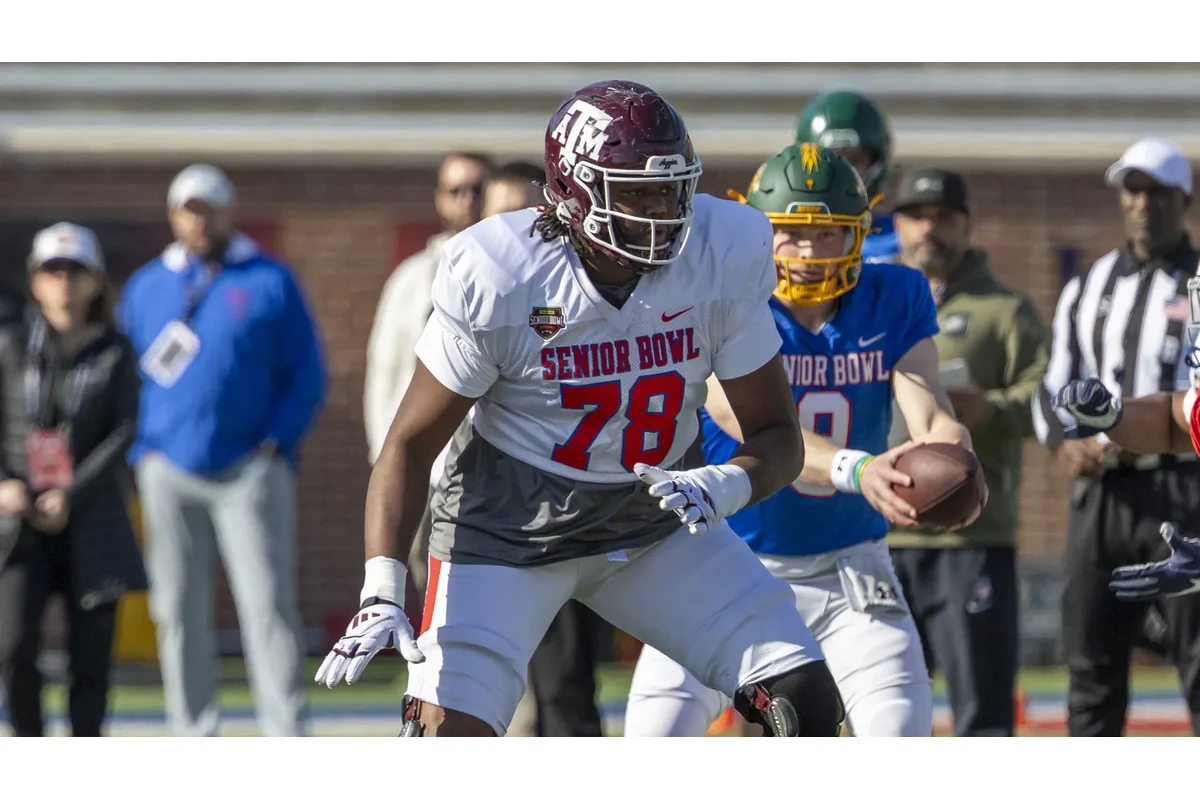
These successive tragedies compelled Brown to speak out with urgency and sincerity.
“Don’t take the easy way out,”
Brown said.
“I once thought that was the way. I was 23 years old and I thought the same thing.”
He continued with a pleading reminder:
“Don’t end it like that, bro. Don’t end it like that.”
Brown’s Approach to Mental Health and Advocacy
Although Brown has discussed his mental health before, Monday’s message was his most intense and deeply personal to date. Filmed in his parked car, Brown’s remarks centered on his Christian faith as a source of strength, but he was equally resolute about the importance of professional counseling.
“Go talk to [God], first and foremost, before you even go talk to a therapist. But go talk to a therapist,”
Brown encouraged.
“Reach out to your loved ones. Go talk to somebody, bro. Get it off your chest. You’re not too tough to talk to someone.”
Brown’s openness about his mental health is rare in the NFL, a league historically reluctant to address these issues openly. His tendency to speak candidly, sometimes critically, about the Eagles’ offense and his own situation has drawn mixed reactions, including sparring with head coach Nick Sirianni and publicly hinting at a desire to be traded multiple times during the 2025 season. Brown has also boycotted the media on two occasions recently.
Despite these challenges, Brown is met with patience and understanding from his team and coaching staff, largely due to his ongoing mental health struggles.
Philadelphia Eagles’ Culture Promoting Mental Health Awareness
The Philadelphia Eagles’ organizational culture stands out for its empathy and acceptance, largely built on the leadership styles of head coach Nick Sirianni and former coach Doug Pederson. Eagles owner Jeffrey Lurie emphasized hiring Pederson in 2016 because of Pederson’s emotional intelligence, which fostered an environment of support that proved critical in the team’s success, including three Super Bowl appearances and two championships.
Several players have publicly shared their mental health journeys under this leadership. In 2017, then-Eagles guard Brandon Brooks opened up about managing severe anxiety with therapy and medication, breaking taboos within the league. The team went on to win the Super Bowl that season.
More recently, in Sirianni’s first season (2021), right tackle Lane Johnson missed three games due to his own mental health battle, yet played a key role as the Eagles advanced to and won two subsequent Super Bowls.
Brown has similarly been accepted for who he is, even when displaying unconventional behavior. For example, after a playoff game following the 2024 season, Brown was seen reading a self-help book on the sidelines, leading Sirianni to comment:
“Some guys pray in between, some guys meditate in between. A.J. reads in between.”
Sirianni also praised Brown as:
“A.J. Brown, is a great, great, great person.”
Within the Eagles organization, Brown’s heart and intentions are generally seen as genuine despite occasional diva-like or insubordinate moments, which were most prominently displayed through his emotional and candid Monday message.
Insights from Brown on Overcoming Personal Struggles
The A.J. Brown Foundation’s mission statement includes the goal:
“Our vision is to cultivate a generation of resilient and confident young individuals.”
Brown’s own pride in maintaining his mental health reflects that vision.
“I take pride in my mental health,”
he said.
“Something I practice each and every day.”
Brown shared practical advice from his experience, encouraging people to keep fighting internal battles actively. He suggested methods such as recording affirmations and talking to oneself in the third person, emphasizing self-compassion regardless of others’ opinions.
“Stay in that fight,” Brown advised.
“Be strong. Do whatever you need to do. Get on your phone. Record videos of yourself talking to yourself. Say affirmations around the crib. Sticky notes. … Talk in third-person to yourself.”
He told listeners to disregard critics and embrace their uniqueness. “Let them call you crazy.”
In the high-pressure NFL environment, Brown cautioned that setbacks and criticism are common.
“I want you to understand, in the NFL community, things aren’t always going to go your way. You may not get everything that you desire. Sometimes this game is not friendly. People are going to say nasty things about you. Call you this call you that. … But none of those things, in that moment, define you. You just have to understand that this is just a short moment in your life that’s just going to go, just like that,”
he said with a finger snap to show the passing nature of hardship.
Brown admitted that material success and pleasing family are not always fulfilling, stressing the centrality of faith.
“I understand what it feels like when you’re trying to take care of your family. None of that stuff is fulfilling. The only thing that’s fulfilling in this world is our Lord and savior, Jesus Christ.”
He also revealed how he personally copes with dark moments by focusing on his family, particularly his two young children, and drawing strength from within.
“Nobody cares about you, bro. Especially as a man. You have to do what makes you happy,”
Brown said.
“I don’t care what they call you. I don’t care whatever … whatever you think you failed at. … Whenever you have a negative thought, say 10 positive things about yourself.”
His closing words reinforced the importance of hope and persistence.
“That sun is gonna shine,” Brown said.
“It ain’t gonna stay rainy forever, bro.”
The Broader Impact of Brown’s Message on Mental Health Awareness
A.J. Brown’s candid appeal arrives at a critical moment for the NFL, as the league grapples with a rising awareness of mental health struggles among players and ongoing tragic losses. By sharing his personal story, Brown is encouraging his peers to acknowledge their pain openly and to seek help rather than let it overwhelm them.
The Philadelphia Eagles’ sustained commitment to mental wellness, demonstrated through leadership by Jeffrey Lurie, Doug Pederson, Nick Sirianni, and players like Brandon Brooks and Lane Johnson, sets a strong example for how sports organizations can support athletes beyond physical health.
Brown’s message also reaches beyond the gridiron, touching on broader cultural challenges surrounding masculinity, vulnerability, and coping with public scrutiny. His foundation’s work to build resilience among youth underscores the lasting significance of addressing mental health early.
As tragedies continue to affect the NFL community, voices like Brown’s may inspire more players to seek counsel, speak openly about their struggles, and prioritize faith or support systems as vital pillars of healing.
