
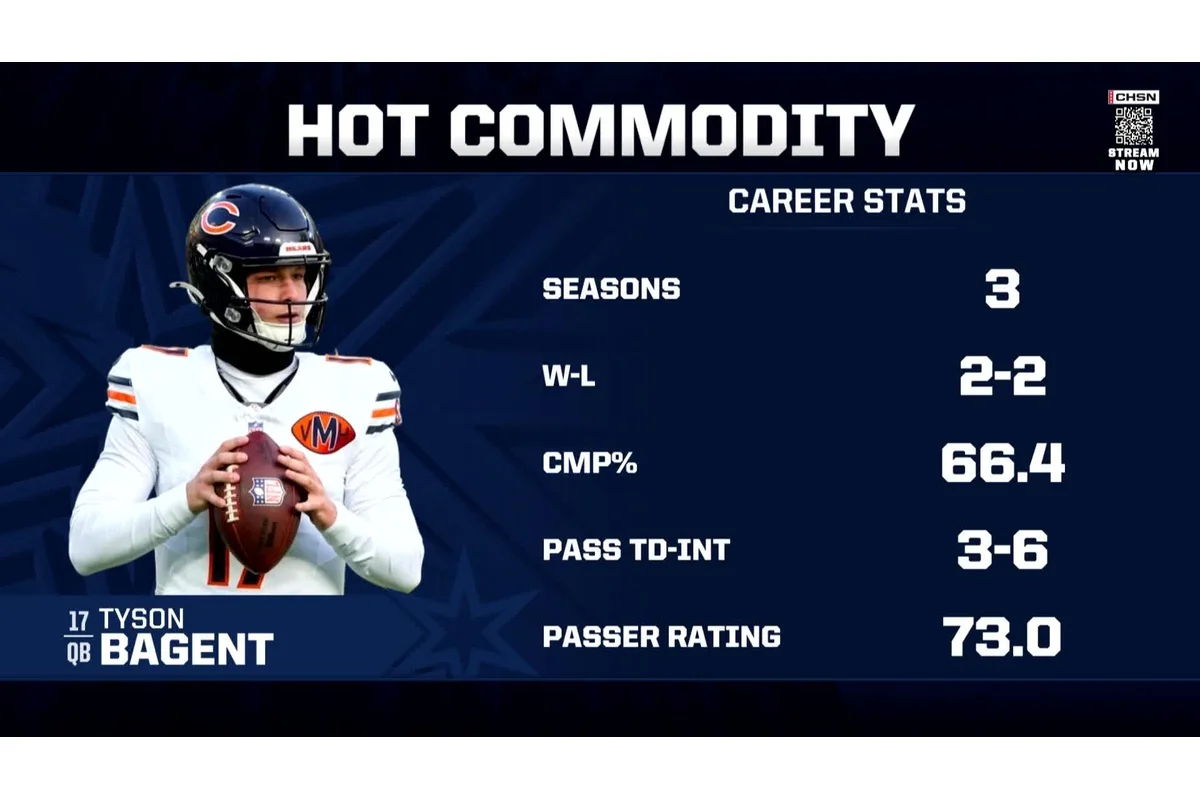
Speculation surrounding the Chicago Bears and backup quarterback Tyson Bagent has intensified as the team indicates openness to trading him, provided the price aligns with their expectations. This development comes amid a busy NFL offseason where teams evaluate talent and construct their rosters heading into the 2026 campaign.
The Bears, crowned 2025 NFC North champions, are reportedly seeking substantial compensation for Bagent, reflecting his perceived value despite his backup status. The trade discussions underscore the Bears’ careful roster planning as they assess moving parts while aiming to strengthen the squad further.
Estimating the Cost for Tyson Bagent
Assessing the trade market for Tyson Bagent presents challenges, as backup quarterbacks rarely command high trade capital. However, Chicago is signaling that while it is receptive to trade inquiries, it will engage only if the return is significant enough to strengthen the team. According to Brad Biggs of the Tribune, who covers Bears trade developments closely, the asking price is steep: a second-round draft pick or two selections equating to that value.
The Bears let it be known they’ll take calls on Bagent, whom Johnson holds in high regard. It probably would take a second-round pick (or two picks equaling that value) to make it worthwhile for the Bears. The New York Jets are in the market for a starter and could be looking to go the budget route after sinking $30 million guaranteed into Justin Fields. I’m not sure a team would offer a Round 2 pick for Bagent. It’s worth noting the Bears have had meetings with agents representing some No. 2-type quarterbacks, so they’re putting contingency plans in place.
– Brad Biggs, Tribune
While demanding a second-round pick may seem ambitious given Bagent’s backup status, it’s a negotiation tactic to protect the Bears’ interests. Setting a high initial asking price allows room for bargaining before settling on a final deal. The objective is to balance a valuable return for the team while ensuring Bagent moves to a situation that offers a chance to compete for a starting position.
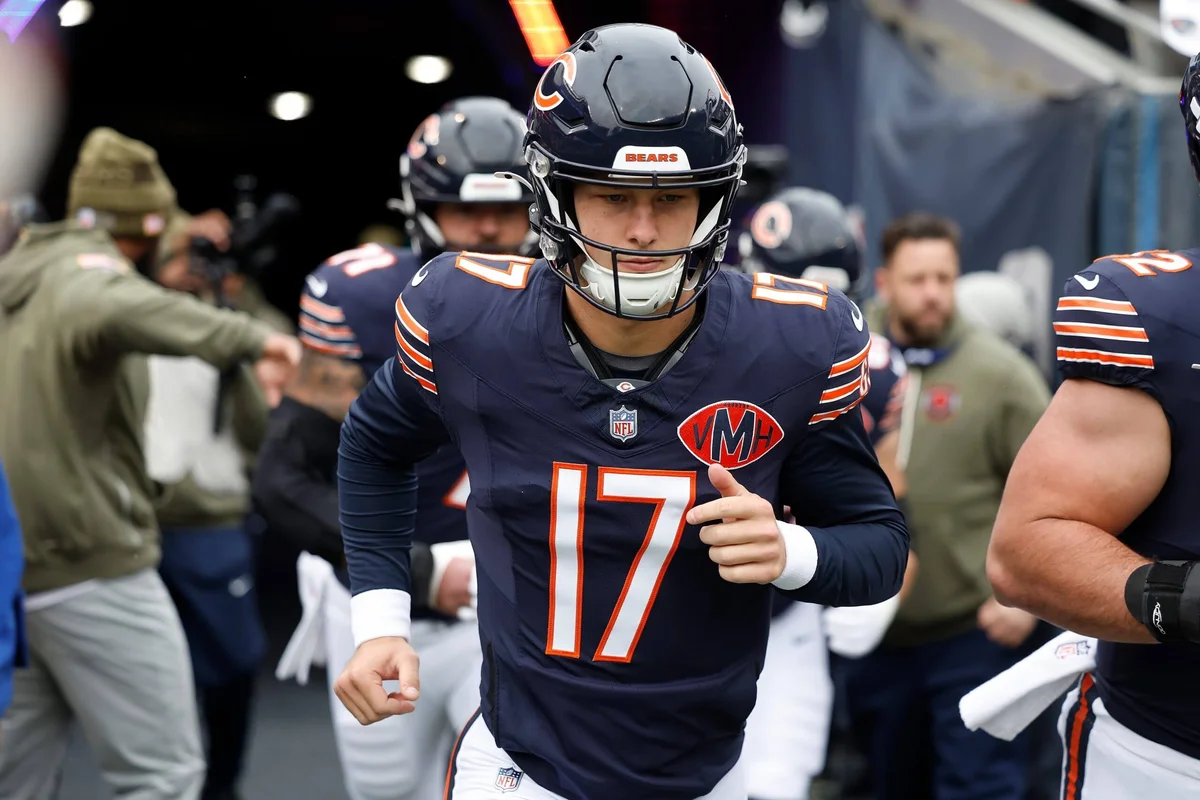
Given the growing buzz about the quarterback class entering the 2027 NFL Draft, the timing also favors the Bears considering a trade now. Selling high before the influx of upcoming talent arrives could be advantageous. Still, the franchise appears prepared to be patient, potentially waiting until free agency unfolds to identify teams left seeking quarterback options.
Trade Discussions Around Linebacker Tremaine Edmunds
The Bears’ trade chatter isn’t limited to Bagent. Linebacker Tremaine Edmunds has emerged as another notable player possibly available for trade. ESPN reporter Jeremy Fowler suggests that Edmunds holds strong trade value and the team is seriously contemplating moving him to alleviate salary cap constraints.
Interest reportedly comes from the Tennessee Titans, Las Vegas Raiders, and New York Giants, all of whom possess significant salary cap space and might benefit from acquiring a proven linebacker. Edmunds carries a cap hit of $17.4375 million going into the last year of his four-year deal signed in March 2023.
If no trade materializes, the Bears are expected to cut Edmunds, which would free up approximately $15 million in cap space, leaving the team with a $2.4375 million dead money charge.
A Closer Look at Wide Receiver DJ Moore’s Trade Prospects
The situation involving wide receiver DJ Moore adds further complexity to the Bears’ offseason maneuvering. According to Brad Biggs, the team believes it can find a trade partner for Moore and potentially obtain a Day 2 draft pick in return. However, completing such a deal might require the Bears to creatively cover parts of Moore’s contract to facilitate a trade.
One source was relatively confident the Bears could find a taker for Moore and might be able to get a Day 2 pick in return. Perhaps some creativity would be required to swing a deal in which the Bears paid down some of the money. They would trade Moore only to try to improve in 2026.
– Brad Biggs, Tribune
Balancing the desire to enhance immediate roster strength while maintaining fiscal flexibility is a key challenge here. Moving Moore could increase cap space and introduce new assets, but trading him solely for draft picks might not align with the front office’s goal of competing at a higher level next season.
Bears Leadership Comments at the Combine
During the 2026 NFL Scouting Combine, Bears General Manager Ryan Poles and Head Coach Ben Johnson discussed prevailing team needs and roster strategies. Their public remarks on players like DJ Moore and the quarterback situation have fueled trade rumors, particularly around how the team intends to manage depth and salary obligations moving forward.
Implications of the Trade Rumors for the Bears’ Future
The potential trades involving Tyson Bagent, Tremaine Edmunds, and DJ Moore indicate a Bears organization focused on strategic roster building with a mix of immediate competitiveness and future flexibility. Trading Bagent now could yield draft capital that not only assists in improving the 2026 squad but also aligns with the team’s overall quarterback plans as the 2027 draft approaches.
Meanwhile, moving Edmunds or Moore could relieve salary cap pressure and provide fresh pieces or picks to diversify team assets. These decisions come within a broader turbulent NFL offseason landscape, featuring an ongoing labor dispute and heightened competition within the NFC North.
As the Bears approach free agency and the trade deadline periods, fans and analysts alike will watch closely to see if the front office can turn this flurry of rumors into deals that materialize into a stronger, more balanced roster for 2026 and beyond.

