

The NFL’s franchise tag deadline on Tuesday brought key developments affecting players’ free agency prospects, notably advancing Alec Pierce’s potential contract negotiations. The Indianapolis Colts designated the transition tag to quarterback Daniel Jones, a decision that prevents the team from tagging Pierce, thus increasing his chances of entering free agency or agreeing to a new long-term deal by July 15. This move plays a critical role in shaping Pierce’s 2026 contract outlook and the league’s upcoming free agent market dynamics.
Franchise Tag Deadline Shifts Market for Players
Tuesday marked the deadline for NFL teams to apply franchise tags to their players, locking those athletes into a guaranteed salary for the 2026 season while barring them from exploring open-market offers. Players tagged by their teams have until 4 p.m. on July 15 to negotiate a permanent contract before competing under the franchise tag during the next season. Prior to Tuesday’s deadline, only two players—Kyle Pitts Sr. of the Atlanta Falcons and George Pickens of the Dallas Cowboys—had been franchise tagged.
The number rose to three after the New York Jets tagged running back Breece Hall. The Colts disrupted convention by applying a rare transition tag on Daniel Jones, the first quarterback in over three decades to receive this designation. This action creates ripple effects for other Colts players, particularly wide receiver Alec Pierce, accelerating his free agency prospects.
Super Bowl MVP Kenneth Walker III Set to Enter Competitive Free Agency
One notable outcome of the deadline was the Seattle Seahawks’ choice not to franchise tag running back Kenneth Walker III, allowing him to become a free agent. Walker, the reigning Super Bowl MVP, becomes only the fourth player with this distinction to test the free agency market, joining a select group of athletes who substantially benefit from such opportunities.
At 25 years old, Walker is part of a strong running back class that includes 2022 draftee Travis Etienne and former Pro Bowler Najee Harris. Walker’s four-year tenure in Seattle earned him just under $8.5 million, but forecasts suggest his market value could exceed $36 million over the next four years. Teams like the Jacksonville Jaguars and Kansas City Chiefs are expected to compete vigorously for his services, though a late contract extension with Seattle before the new league year begins remains a possibility.
New York Jets Retain Breece Hall Despite Limited Team Success
In contrast, Breece Hall will not have an immediate chance to test free agency after the Jets applied the franchise tag to him. Hall will continue his career with a team that has struggled for more than ten years, although he has enjoyed individual achievements amid the Jets’ difficulties. His 2026 season under the franchise tag guarantees a payout of $14.293 million, making him the fourth-highest-paid running back by annual salary in the NFL.
The Jets have indicated ongoing efforts to secure a long-term deal with Hall before the season commences. Despite the franchise tag restricting his free market opportunities, the guaranteed salary and the team’s commitment represent positive aspects amid an otherwise stagnant organizational performance.
Trey Hendrickson Prepares to Enter Free Agency After Bengals Tag Decision
Defensive end Trey Hendrickson received a franchise tag from the Cincinnati Bengals but will remain poised for free agency in less than a week. Now 31, Hendrickson is entering free agency for just the second time in his career, having previously signed a four-year, $60 million contract with the Bengals in 2021, which ultimately exceeded $92 million over five seasons.
Though injuries impacted his recent season, Hendrickson’s credentials as a four-time Pro Bowler and the NFL’s sack leader in 2024 with 17.5 sacks bolster his market value. Several teams seeking a dependable pass rusher will likely show interest, marking his departure as another significant exit from the Bengals’ 2021 Super Bowl roster.
Transition Tag Leaves Daniel Jones in a Complicated Position
Daniel Jones’s transition tag placement stands out as the first by any NFL quarterback since Jeff George in 1996. This designation results in Jones forfeiting approximately $6 million compared to a franchise tag contract, earning $37.833 million under the transition tag. The Colts’ choice reflects a strategic gamble: they now must match any offer Jones receives from other teams or risk losing him without compensation.
This decision notably affects wide receiver Alec Pierce’s situation. Because only one franchise or transition tag can be applied per team, the Colts’ use of the tag on Jones precludes tagging Pierce. Consequently, Pierce moves closer to free agency unless he reaches an agreement with the Colts by the mid-July deadline.
The Colts appear to accept the risk of losing Jones, partly influenced by recent developments involving Arizona Cardinals quarterback Kyler Murray. The Cardinals plan to release Murray at the start of the new league year due to an onerous $36.8 million salary cap charge, meaning Murray will likely play for the league minimum elsewhere—an event expected to dampen NFL quarterback contract values, thus indirectly impacting Jones’s free agency interest.
Alec Pierce’s Rising Profile Fuels Anticipation for a Lucrative Contract
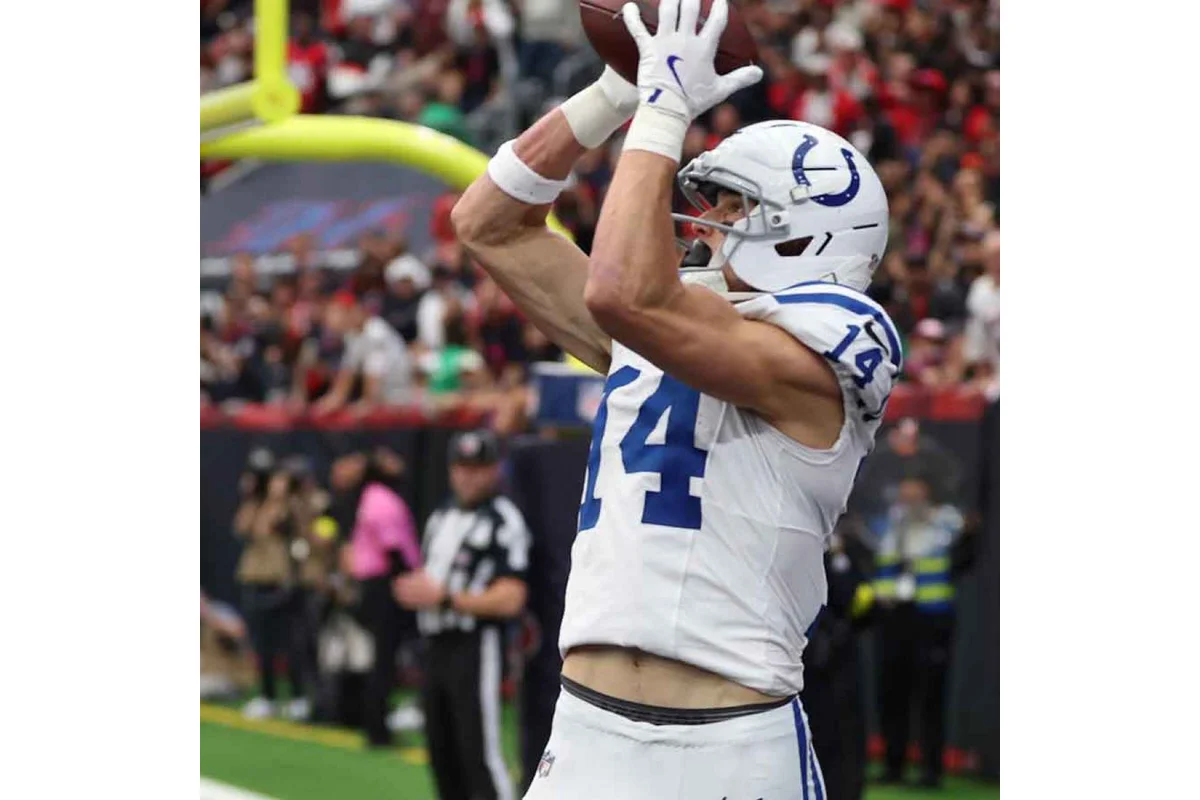
Alec Pierce, now 25 and entering his fifth NFL season with the Colts, is widely regarded as one of the league’s top big-play wide receivers. Pierce topped the NFL in yards per reception in both 2024 and 2025, recording 22.3 and 21.3 yards per catch respectively, while surpassing 1,000 receiving yards for the first time in his career last season.
Following an $8.66 million rookie contract, Pierce is projected to earn nearly $81 million on a four-year extension—an estimate considered conservative due to limited receiver class strength and high demand for proven wideouts. Teams like the Pittsburgh Steelers, who sought to bolster their receiving corps over the past season, are expected to actively pursue Pierce’s services in free agency.
The Colts’ decision to tag Daniel Jones directly benefits Pierce’s prospects, accelerating his potential for a substantial payday. Whether Pierce remains in Indianapolis or signs elsewhere, the offseason will determine his final contract structure ahead of the 2026 season.
