
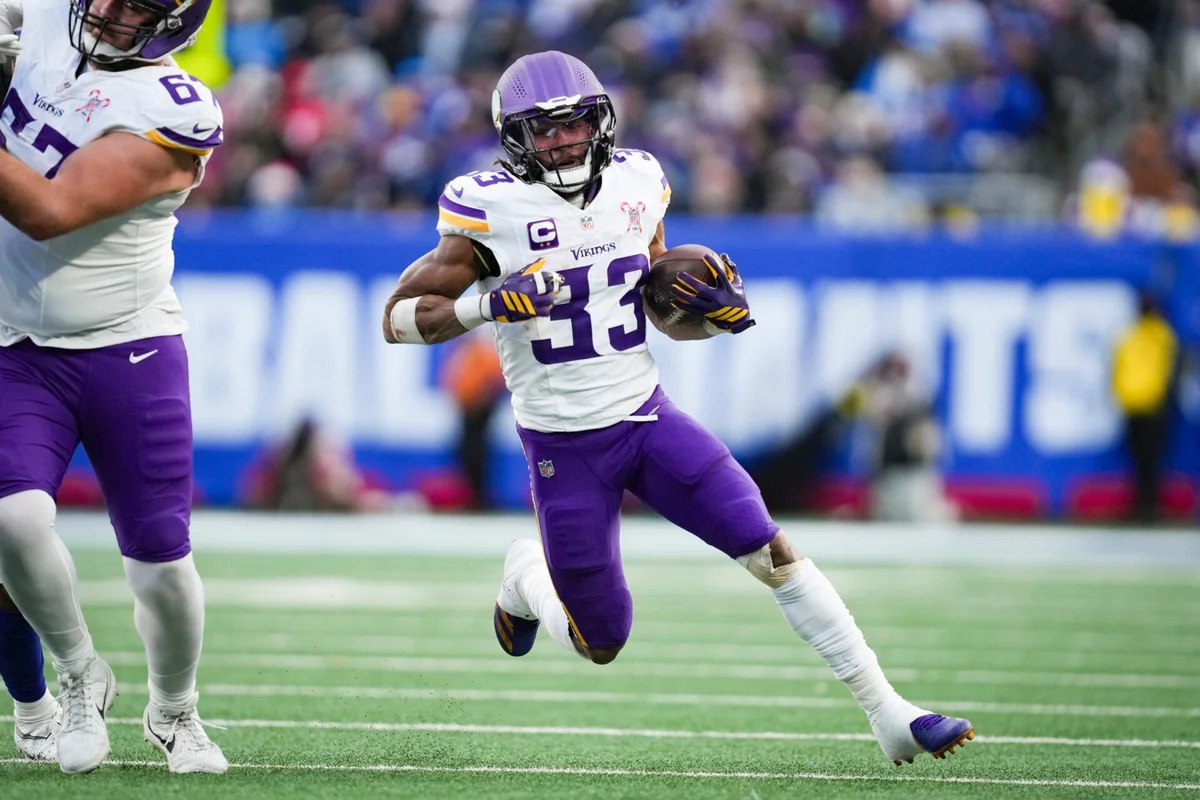
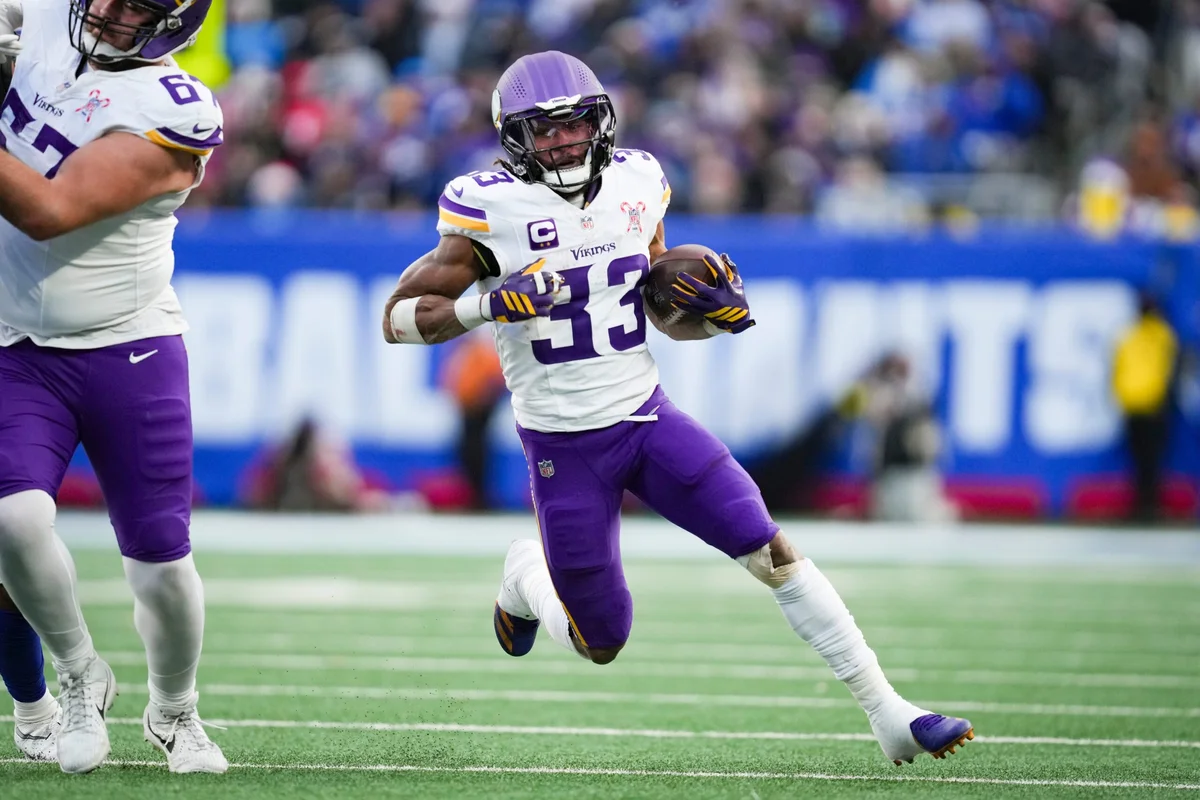
Following the report from Adam Schefter that the Minnesota Vikings intend to release running back Aaron Jones, some Green Bay Packers fans began hoping for a possible reunion. While the idea of Jones returning to Green Bay in the final phase of his career holds appeal, practical circumstances indicate it is unlikely to happen.
The Packers’ general manager, Brian Gutekunst, has already made it clear that Josh Jacobs will be the team’s primary running back for the 2026 season. Although Gutekunst showed initial interest in bringing Jones back a few years ago, he ultimately decided against it, signaling a significant shift in the Packers’ roster plans.
Details Behind the Packers’ Change of Plans on Aaron Jones
Gutekunst explained the decision at the time by highlighting a breakdown in contract negotiations and the emergence of unexpected alternatives. He said,
“We weren’t able to come to an agreement that we thought we might be able to with Aaron, and then, quite frankly, some opportunities opened up that we didn’t expect as well. As hard as that is when you’re emotionally attached to a player like Aaron and everything he’s done for the club, you have to do what’s right for the Green Bay Packers … I feel I owe that to the organization.”
The central issue in talks was Jones’s reluctance to accept a considerable pay reduction, which led to the Packers focusing on Jacobs. Since then, Jacobs has established himself as the lead back, while Jones’s path back to Green Bay has become more complicated.
Current Running Back Situation Influences Jones’s Prospects in Green Bay
With Jacobs expected to remain the featured running back, Jones would only have a chance to play as a backup if he returned to Green Bay. The Packers also are monitoring third-round draft pick MarShawn Lloyd, who has faced multiple injuries over nearly two seasons but may be poised to claim the No. 2 running back role if healthy.
Lloyd’s availability and potential role add uncertainty to Jones’s chances because the Packers would likely prioritize developing this younger player. Jones would be relegated to a limited role, only stepping up significantly if Jacobs or Lloyd were sidelined during the 2026 season. This scenario offers little appeal to a veteran player in the twilight of his career.
Packers’ Approach to Experience and Age Shapes Roster Decisions
The Packers’ strategy does not typically include signing free agents over 30 years old, especially those who may come with higher salary demands and concerns about longevity. Exceptions, like Julius Peppers’s signing at age 34, are extremely rare. Two years ago, Green Bay considered Jones replaceable, and two additional years of physical wear at a demanding position have not altered that perspective.
As Aaron Jones turns 32 next season, he is unlikely to accept a spot that involves waiting for opportunities based on others’ injuries. He still maintains a strong professional track record and likely aims for a more impactful role elsewhere, rather than a marginal position within Green Bay’s backfield.
Looking Ahead: Packers’ Running Back Depth and Future Plans
The Packers now rely on Jacobs as their lead running back, hoping he can stay healthier than he was in 2025. Meanwhile, Lloyd’s potential return puts additional pressure on the depth chart. Beyond those two, Green Bay seeks affordable depth through later draft picks rather than costly veteran signings with durability issues.
This realistic approach leaves little room for Jones to secure a meaningful role. A reunion may be an appealing narrative, but it is an ill-fitting solution for the Packers and their veteran running back. Jones provided the team with years of solid performance, but both sides appear better off moving forward separately as Jones explores opportunities that offer him a substantial contribution during the final stages of his career.
Sources: Vikings have informed running back Aaron Jones and defensive tackle Javon Hargrave that, barring a trade, they will be released at the start of the league year this month.
Jones’ release will save the Vikings $7.75 million against the cap, Hargrave’s $10.9 million. pic.twitter.com/s5DdCTOWTX
— Adam Schefter (@AdamSchefter) March 1, 2026
