
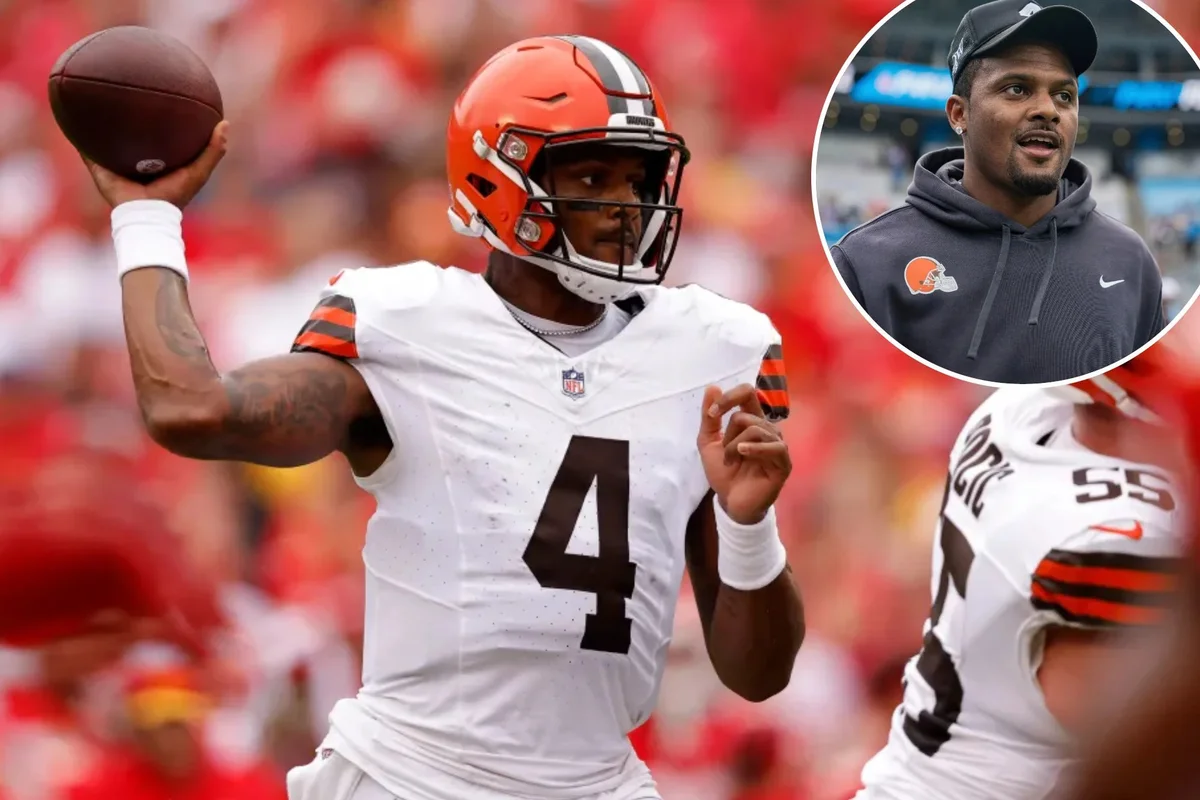
The Cleveland Browns continue to grapple with the financial consequences of Deshaun Watson’s contract, which has left the team locked into a challenging salary cap situation through 2026. Although the new NFL league year begins Wednesday, the Browns are effectively compelled to keep Watson on the roster due to the salary cap implications of his fully guaranteed $230 million deal.
Cleveland plans to officially part ways with Watson in March 2027, using a post-June 1 designation to spread what was expected to be an NFL-record dead cap hit across two seasons. The total dead cap charge will reach approximately $86.2 million, with $34.6 million counting against the Browns’ 2027 salary cap and $51.5 million in 2028.
How Miami’s Move Has Shifted Perceptions of Cleveland’s QB Burden
While this remains a significant setback for Cleveland, the Miami Dolphins’ recent decision to release quarterback Tua Tagovailoa has unexpectedly softened the spotlight on the Browns’ ongoing salary cap challenges. Miami will absorb an accelerated $99 million cap hit in 2026, a number surpassing Cleveland’s prospective dead cap charge for Watson.
Officially an end of an era in Miami. This dead cap charge even exceeds what the Browns would take for cutting Deshaun Watson next offseason. https://t.co/ygdQSJ2Od1
?Daniel Oyefusi, NFL Insider
Comparing Cleveland’s Situation to Past Quarterback Salary Cap Challenges
Cleveland’s predicament, though difficult, is not unique in NFL history. The Denver Broncos found themselves in a similar financial bind with Russell Wilson as they transitioned under new head coach Sean Payton. Likewise, the Browns are preparing to finalize their exit from Watson’s contract in the second year of offensive coordinator Todd Monken’s leadership.
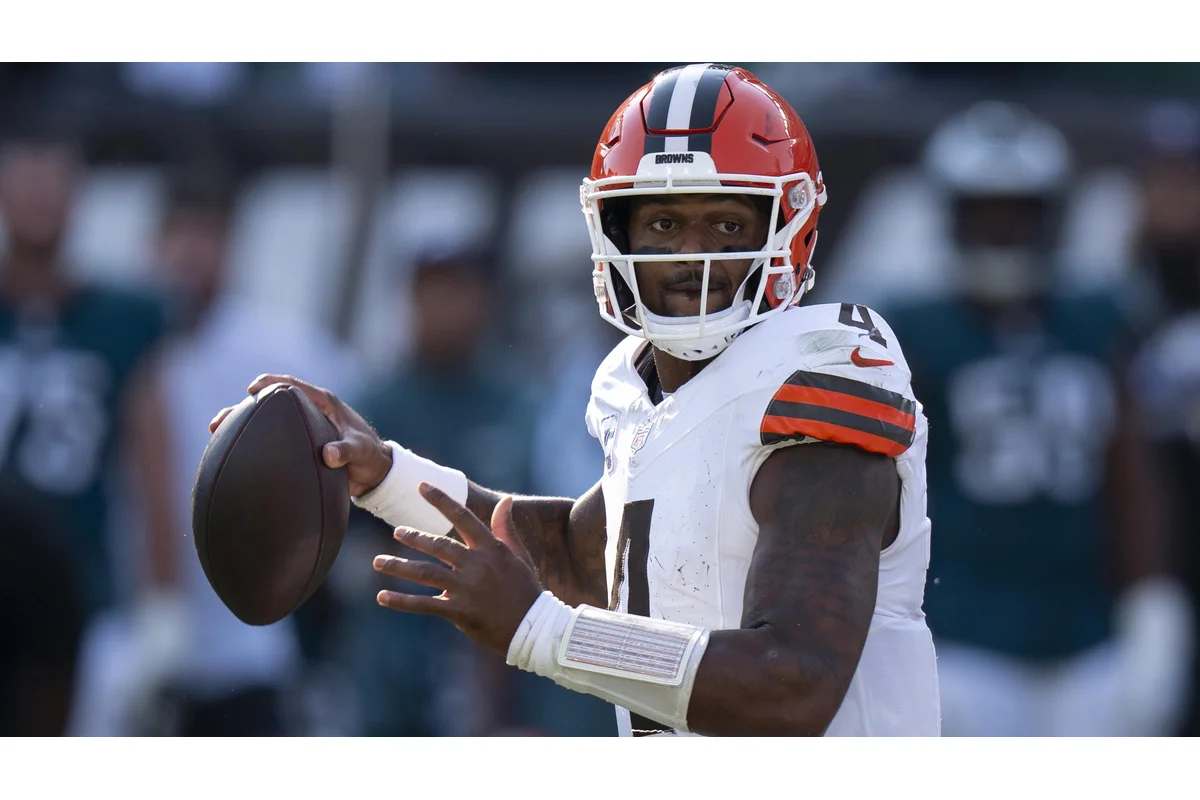
According to Jason Fitzgerald, founder of Over the Cap, the Dolphins face two less-than-ideal options to manage Tua’s dead cap figures in 2026. Depending on how they treat an option bonus in Tagovailoa’s contract, Miami will carry a dead cap charge of either $67.4 million or $55.4 million that year.
In contrast, Cleveland’s strategy staggers its largest dead cap charge for Watson until 2028, giving the team time to anticipate the NFL’s salary cap growth, which increased by $22 million between 2025 and 2026. This forward-looking approach allows a better financial preparation for the massive hit.
The Long-Term Effects of Contract Missteps on Teams and Fans
This entire situation reflects a major miscalculation for the Browns and remains a lasting burden for owner Jimmy Haslam and his organization. However, similar quarterback contract mismanagement has affected other teams recently, including Miami currently, and the Arizona Cardinals, who are dealing with challenges surrounding Kyler Murray’s contract.
Despite the severity of these dead cap hits, the Browns can find some solace knowing they are no longer alone in this difficult position. Teams like Denver and Miami serve as cautionary tales, and Cleveland’s fans might take small comfort in not being the sole franchise burdened by huge dead money in recent years.
Officially an end of an era in Miami. This dead cap charge even exceeds what the Browns would take for cutting Deshaun Watson next offseason. https://t.co/ygdQSJ2Od1
— Daniel Oyefusi (@DanielOyefusi) March 9, 2026
Dolphins will be able to split Tuas dead money at either
$67.4M/$31.8M
or
$55.4M/$43.8M.
Depends on what they do with an option bonus. My understanding of the rule is they could exercise the option and still use the June 1.
— Jason_OTC (@Jason_OTC) March 9, 2026
