
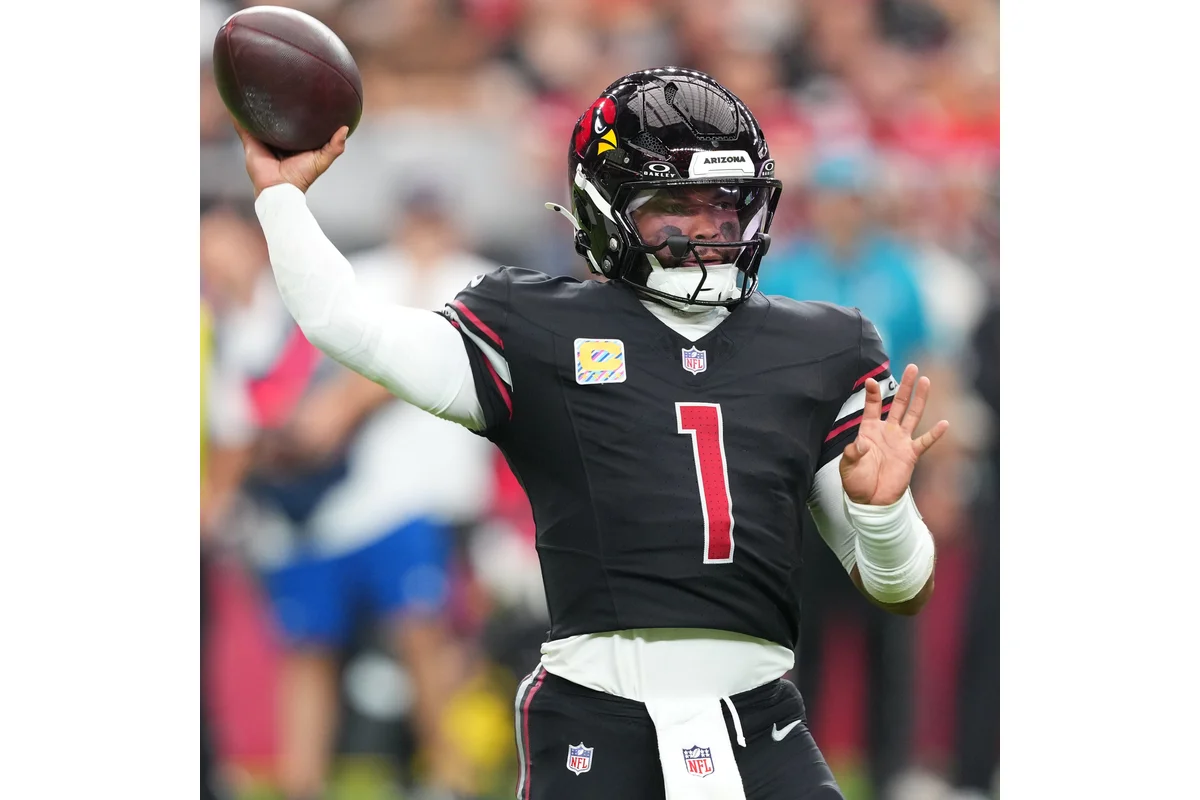
The Arizona Cardinals have officially released quarterback Kyler Murray, ending his six-year tenure with the team that began when he was drafted first overall in 2019. This decision comes as part of a major organizational rebuild, saddling Arizona with a $36.8 million dead cap hit but freeing Murray to enter one of the most intriguing free agency periods of his career.
At 28 years old, Murray showed promise early on with two Pro Bowl appearances, but his time in Arizona was marred by frequent injuries and uneven performance. Over the last four seasons, he missed considerable playing time in three, losing his starting role during the 2025 campaign. The Cardinals, led by General Manager Monti Ossenfort, opted to absorb significant financial consequences to move forward without their former franchise cornerstone.
Potential Landing Spots Begin to Take Shape for Murray
Several NFL teams have emerged as potential destinations for Kyler Murray in free agency. The Minnesota Vikings are widely considered the leading candidate to sign him, with head coach Kevin O’Connell known for reviving quarterback careers, including those of Sam Darnold and Daniel Jones. O’Connell’s success in developing quarterbacks makes Minnesota an attractive opportunity for Murray.
The New York Jets also stand out as a viable landing spot after cycling through three starters last season and seeking long-term stability at quarterback. Joining the Jets would place Murray alongside a dynamic offensive group, featuring stars like Garrett Wilson and Breece Hall, offering a chance to ignite the team’s long-awaited offensive spark.
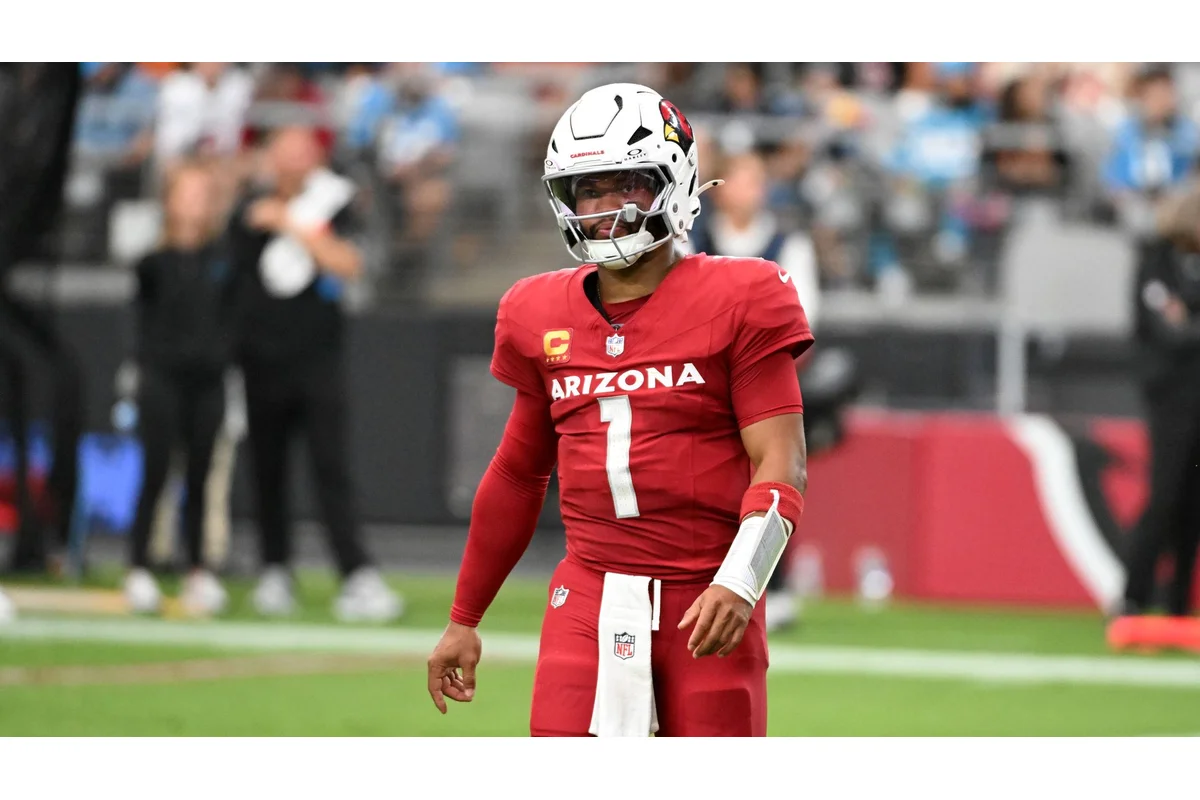
In addition, the Atlanta Falcons and Cleveland Browns are keeping close watch. Atlanta boasts an exciting offensive lineup including Bijan Robinson and Kyle Pitts, while Cleveland’s offensive coordinator Todd Monken has prior experience with mobile quarterbacks, having worked with Lamar Jackson, which could benefit Murray’s playing style.
Contract Structure Makes Signing Murray More Feasible
Murray’s contract situation provides financial flexibility for interested teams. Because the Cardinals will shoulder the remaining guaranteed money under offset terms, his new team can sign him at the veteran minimum salary. This arrangement allows Murray to prioritize fit, culture, and championship potential rather than maximum pay.
This setup benefits clubs with limited cap space but competitive rosters, positioning Murray as a high-upside rental option for 2026. This gives him the opportunity to rebuild his value and compete for a longer-term deal based on performance.
Yet Murray’s injury history remains a significant concern. He has missed at least six games in three out of the last four seasons, which, combined with his preference for shotgun formations and hesitance to throw in tight windows, presents challenges for teams crafting their offensive schemes.
Nevertheless, Murray’s talents remain undeniable. His combination of mobility and arm strength can transform an offense when he is healthy. Teams willing to adapt their systems to his unique skill set could unlock the explosive playmaker once feared by opposing defenses.
The Next Chapter in Murray’s Career and Its Broader Implications
The Cardinals’ choice to release Murray closes a significant chapter for both the quarterback and the franchise. As free agency opens, his next team will not only shape the trajectory of his career but also impact their own championship prospects. Whether a team bets on his ability to overcome recent struggles and durability doubts will be closely watched across the league.
This high-profile free agency period carries a hopeful yet tense atmosphere around Murray’s prospects, as he strives to prove he can still perform at an elite NFL level and contribute meaningfully to a contender’s future.
