
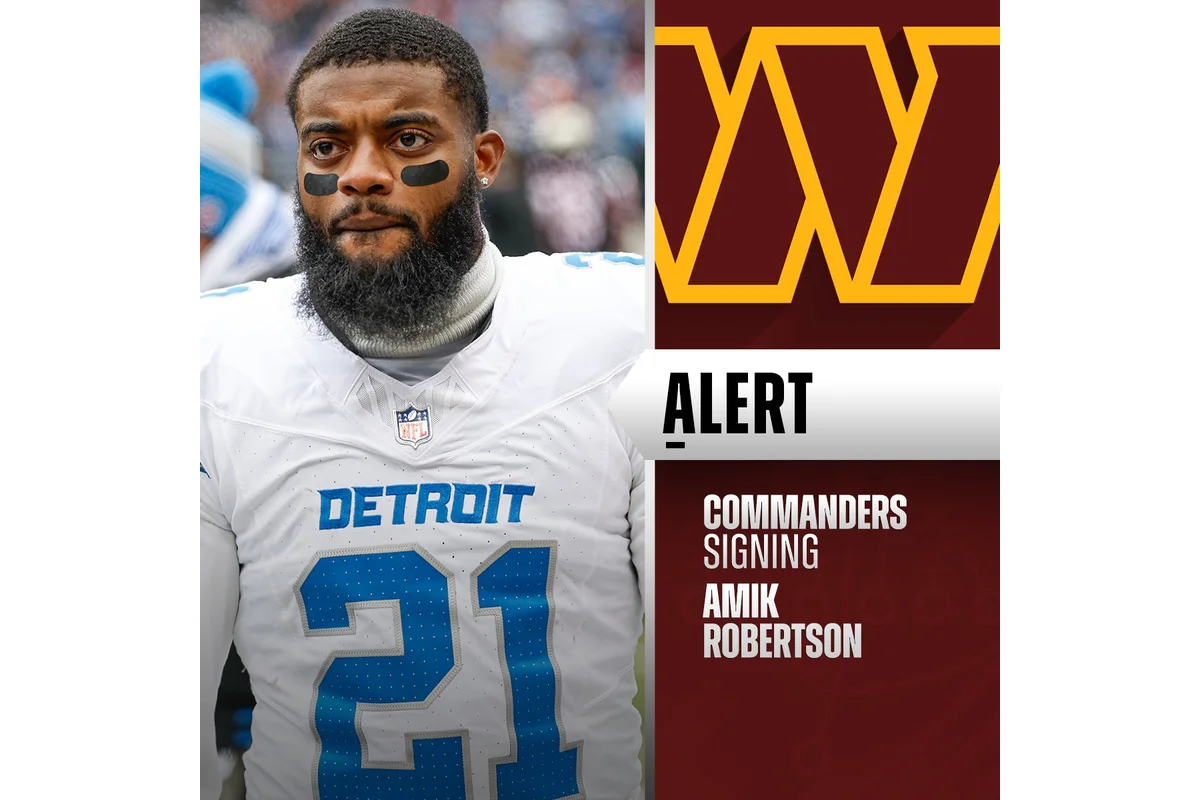
The Detroit Lions must address significant gaps in their defensive secondary following Amik Robertson’s move to the Washington Commanders, a deal reportedly valued at two years and $16 million, according to NFL Network’s Tom Pelissero. Although Detroit may have had the financial freedom to retain Robertson, pressing needs in other areas, particularly along the offensive and defensive lines, have forced the franchise to reconsider its priorities as they prepare for the 2026 season.
In response, the Lions are looking to free agency with an emphasis on rebuilding around players who stood out during the 2025 season. Fans fondly recall the “Legion of Whom” — a collection of defensive backs who started the season as backups but earned starting roles out of necessity. This group, comprising Thomas Harper, Arthur Maulet, Rock Ya-Sin, and Nick Whiteside, emerged as a core part of Detroit’s defensive plans. With Robertson gone, the Lions are expected to prioritize re-signing three of these players to affordable contracts as they aim for stability in their secondary unit.
Key “Legion of Whom” Members Poised to Benefit from Robertson’s Exit
Based on their recent performances and market evaluations, the three prominent members of the Legion of Whom are unlikely to seek or command costly deals. Arthur Maulet is projected to receive a contract comparable to his 2025 deal with Detroit, which was one year for $1.25 million. Rock Ya-Sin, who stepped up notably after the injury to Terrion Arnold, is expected to secure a salary around $1.3 million annually, according to Spotrac estimates.
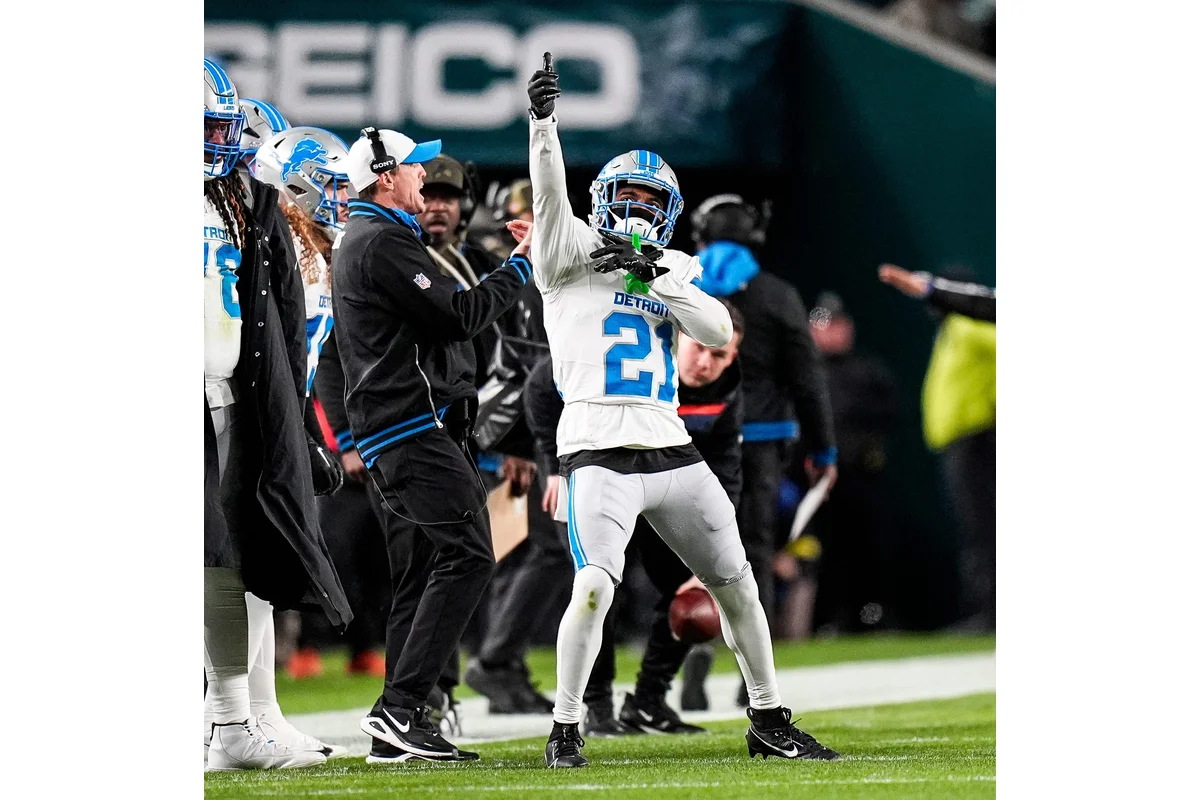
Nick Whiteside is anticipated to be offered a one-year contract worth approximately $1 million if there is limited outside interest. The Lions will likely view these re-signings as cost-effective opportunities to maintain depth and continuity in their defensive backfield without sacrificing valuable cap space for more urgent needs elsewhere.
Defensive Coordinator Sees Familiar Faces as Key to Navigating Next Season’s Challenges
These defenders quietly played critical roles for Detroit and defensive coordinator Kelvin Sheppard during the past season. Given the team’s intention to prioritize cap resources on enhancing the offensive line and edge rushers, it seems unlikely that the Lions will invest heavily in their cornerback and safety positions. The secondary remains a question mark heading into the next season.
Bringing back familiar contributors from the Legion of Whom could provide Sheppard with steady options as he leads the Lions into what promises to be a challenging second year. Their experience will offer relief behind starters Terrion Arnold and D.J. Reed, particularly if injury setbacks occur again. Still, Detroit will probably continue to explore other free agent defensive backs to strengthen their defensive backfield further.
As the Lions work to fill gaps created by Robertson’s departure, the strategy of leaning on experienced yet affordable players reflects both financial prudence and a commitment to cultivate defensive synergy for the 2026 campaign.
