
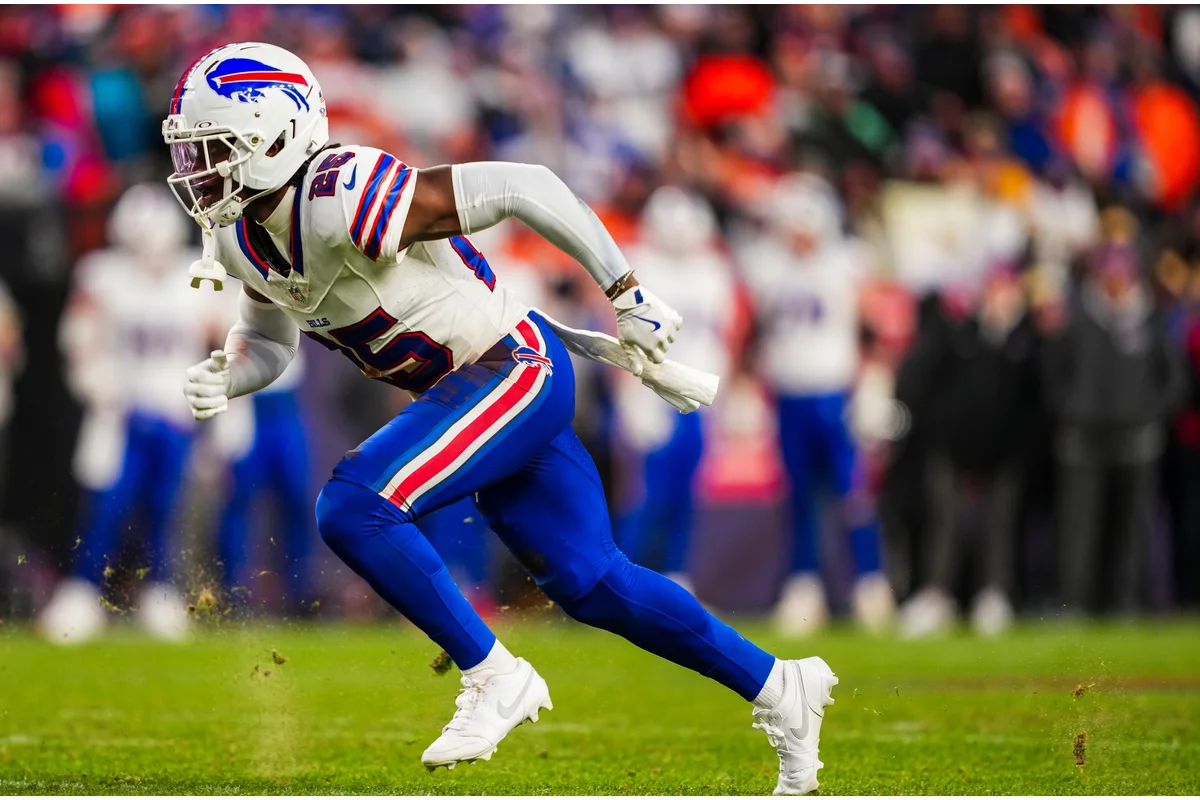
The Pittsburgh Steelers have secured veteran safety Darnell Savage on a one-year deal, bolstering their secondary as free agency opens. Savage, a former first-round draft pick, brings experience from multiple teams over the past seven NFL seasons, aiming to provide stability amid a shifting safety roster.
Savage’s Recent Career and Contributions
In the 2025 season, Savage appeared in 12 games across three teams—Jacksonville, Washington, and Buffalo—starting once for the Bills. Despite being released twice last year, his overall career remains notable, having started 82 of 85 games through his first six seasons. Originally selected 21st overall by the Green Bay Packers in 2019, Savage spent his first five professional years there, accumulating 10 interceptions, 371 tackles, and 41 passes defended.
Steelers’ Rationale for Adding Savage
At 5-foot-11 and 198 pounds, Savage is expected to provide valuable depth behind a Steelers secondary facing uncertainty. Key players such as Kyle Dugger, Chuck Clark, Jabrill Peppers, and Miles Killebrew all remain free agents, leaving openings the team must prepare for. Signing Savage helps the Steelers maintain competitiveness and experience at safety.
Background and Early Promise in the NFL
Darnell Savage’s NFL entry was marked by immediate impact; after the Packers traded up to select him during Matt LaFleur’s first season as head coach, Savage started as a rookie. He was a standout player at Maryland, earning second-team All-Big Ten honors. His rookie season earned him a place on the PFWA All-Rookie Team with two interceptions, 55 tackles, and two forced fumbles. Savage’s second year saw him reach a personal best of four interceptions.
Implications for the Steelers and What to Expect
Adding Savage at this juncture gives Pittsburgh experience and flexibility as the team navigates a critical offseason. With numerous safeties entering free agency, Savage’s presence could influence how the Steelers shape their defensive backfield moving forward. His signing signals a strategic move to reinforce the secondary while assessing the ongoing talent landscape.
