
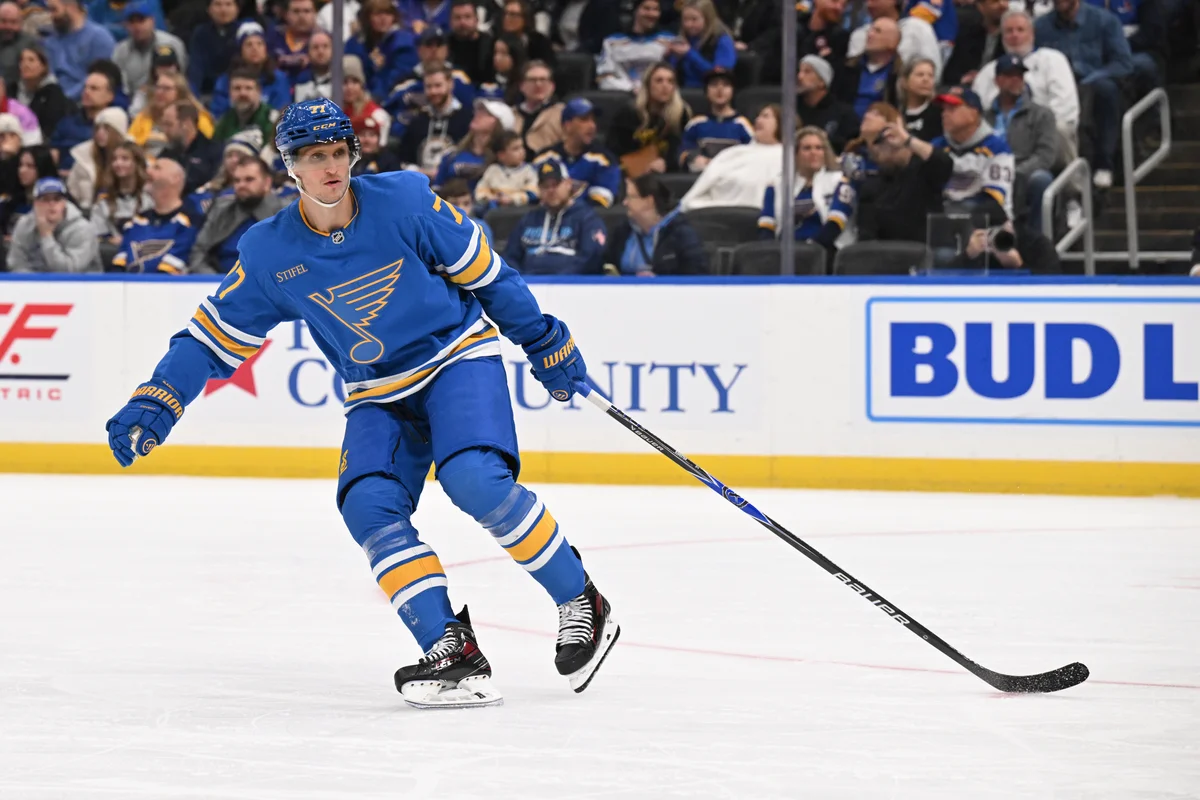
The New Jersey Devils’ recent trade to acquire Nick Bjugstad has sparked confusion among many NHL followers, with insider David Pagnotta openly questioning its rationale. Taking place amid an injury-plagued season for the Devils, this move appears to be a strategic measure tied to the team’s challenges with player health and roster stability.
The Devils face an uncertain stretch, especially with several players slated to compete in the upcoming Milano-Cortina Olympics despite not being fully fit. One prominent example is Jack Hughes, who has dealt with injuries but was medically cleared for the Games. NHL analyst Elliotte Friedman suggested on his 32 Thoughts Podcast that some teams may opt to shut down key players after the Olympics, a move that could significantly impact contenders but less so for non-contending squads like New Jersey.
How Bjugstad Fits into New Jersey’s Depth Strategy Amid Unpredictable Conditions
With the trade deadline approaching and the likelihood of further roster changes caused by trades or injuries, the Devils are preparing for multiple scenarios. Friedman noted the possibility of certain players leaving the team, increasing the need for capable replacements who can maintain competitive play. In this context, Bjugstad offers valuable depth, serving as a reliable professional who can step in and stabilize the lineup.

“Some Devils fans were surprised at the Nick Bjugstad deal. Two things: they might be moving out players and need replacements. But, when times are tough, you need good pros. Bjugstad’s a good pro.”
?Elliotte Friedman, NHL analyst
This statement highlights that the Devils are unlikely to actively pursue a playoff push this season. Instead, adding Bjugstad is a practical way to sustain the team’s performance through adversity, especially with the uncertainties surrounding player availability following the Olympics.
Bjugstad’s Role in Supporting the Devils Through the Season’s Challenges
New Jersey’s strategy includes maintaining a competitive roster without relying heavily on call-ups from the American Hockey League (AHL). By integrating Bjugstad, the Devils aim to fill potential gaps caused by trades and injuries while keeping the team’s overall competitiveness intact. Bjugstad is expected to handle a bottom-six forward role effectively, contributing valuable ice time and experience.
Though unlikely to post prolific scoring numbers, Bjugstad’s consistent presence offers head coach Sheldon Keefe flexibility and reliability when deploying the forward lines. This stability may be a critical factor as the team navigates what remains of the season, balancing development with competitive play.
The Devils’ recent additions resemble approaches seen from teams like the Columbus Blue Jackets and Buffalo Sabres, who have made surprising turnarounds by assembling the right supporting pieces. While New Jersey’s ultimate trajectory remains uncertain, strategically incorporating players like Bjugstad could prove essential in managing this transitional phase.
Overall, the Nick Bjugstad Devils trade reflects a pragmatic response to the team’s pressing needs, emphasizing depth and professionalism during an unpredictable stretch. As the season progresses and the trade deadline passes, the significance of such roster adjustments will become clearer in shaping the Devils’ future direction.
