
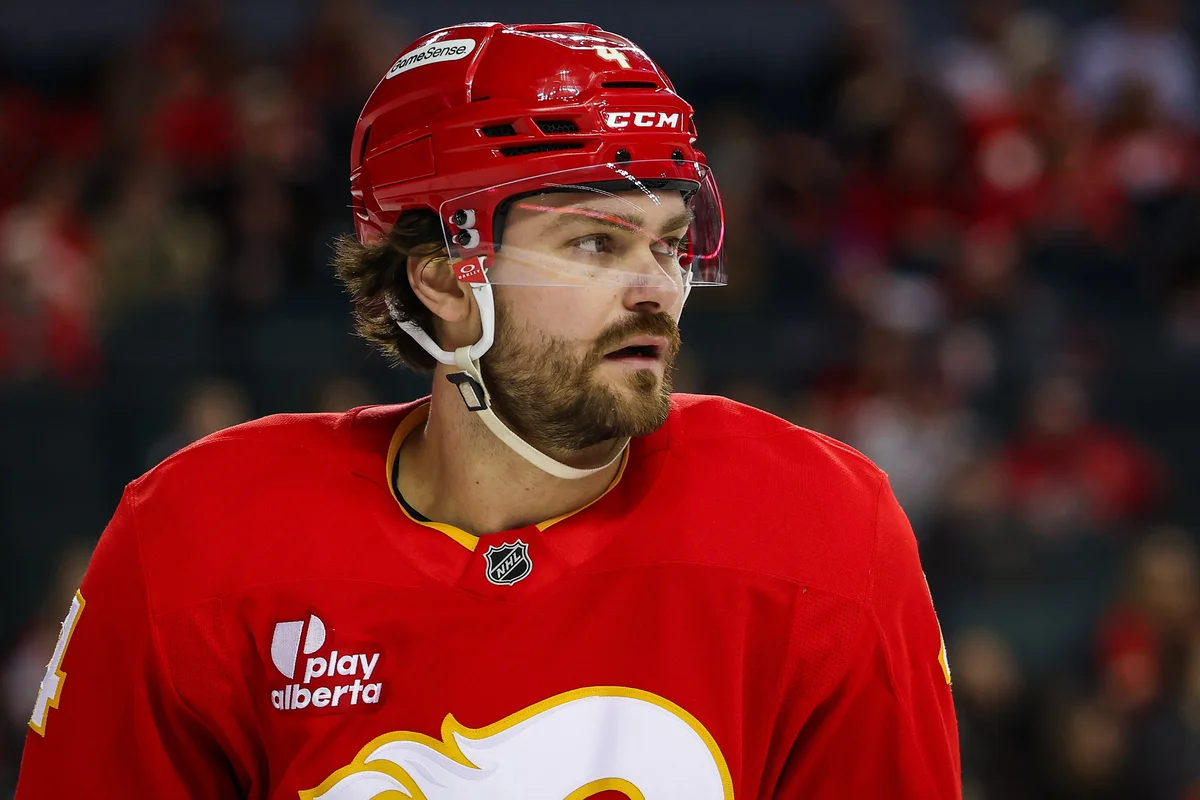
In 1994, Peter Andersson was preparing to represent Sweden at what he believed would be his second Olympic Games when he received a phone call that changed everything. At his doorstep, ready to leave, he was informed by a New York office that playing in the Olympics would force his NHL team, the New York Rangers, to expose him to waivers—a risk they were unwilling to take. Reluctantly, he canceled his plans and watched from home as Sweden captured the gold medal.
Peter recalls the heartbreak vividly:
“I booked the flight, and as I’m walking out of my house to get to the taxi, the phone rings,”
he said.
“Somebody from the office in New York said, ‘Hey, you can’t go, because if you go, the Rangers have to put you on waivers, and they don’t want to.’ So I had to cancel everything, stayed home, and then I watched on TV when Sweden won the gold medal.”
He added quietly,
“I was close to having a gold medal, but I couldn’t go.”
A Legendary Introduction to the Olympics
Peter’s first Olympic experience in 1992 remains a treasured memory, even though the team finished fifth. At 27, he was chosen to play alongside Borje Salming, a Swedish hockey legend and his childhood idol, but with an unexpected twist. The coach asked him to switch to playing on the right side, something he had never done before. Peter accepted without hesitation, honored to share the ice with the Hall of Famer.
Recalling the experience, Peter said,
“The coach called to say he picked me for the team, and that he had a bit of an issue: ‘I want you to play with Borje Salming, but you have to play on the right side.’ I never played on the right side, but I said, ‘Oh, s—, that’s no problem.’ Borje Salming was my idol growing up. Everybody’s idol. He was a legend in Sweden.”
He described Salming as a tireless worker and exceptional teammate:
“He worked so hard, did absolutely everything for his teammates. A great guy in the locker room. You can’t be better than that.”
Rasmus Andersson’s Path to the Olympic Stage
Now, Peter’s son Rasmus Andersson is poised to carry the Andersson family’s Olympic tradition forward as a defenceman for Sweden’s Tre Kronor team. At 29 years old and playing for the Vegas Golden Knights, Rasmus embraces the excitement and mystery of his first Olympic appearance, a stark contrast to his usual routine of games and travel.
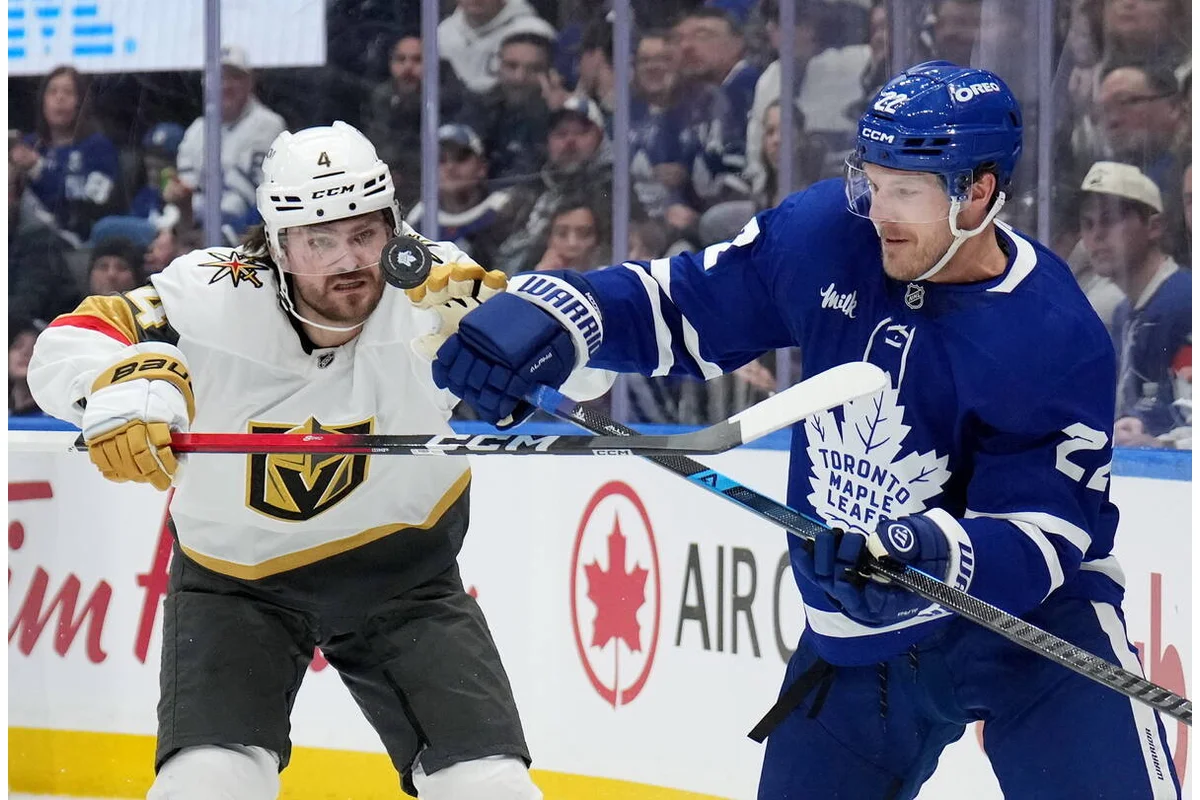
“Half the Olympic experience is staying with other athletes, and seeing what they do, and how they get prepared,”
Rasmus said.
“I think that part will be cool. In our life, it’s just game, hotel, flights, come home. I bet you it will be like your first year in the NHL when you experience everything for the first time. At the end of the day, you’re there for hockey, and that’s the one thing you know what to do. Everything around you, just appreciate the two weeks you have there and take it as it comes.”
The Weight of Legacy and Inspiration
Although Peter rarely discusses his Olympic experiences in depth, Rasmus is gradually discovering the family history.
“He doesn’t really tell us a lot about the Olympics. He said about ’92 it was the coolest experience he had, playing with Borje, but he doesn’t go in depth. He said, ‘You’ll see when you get there,’”
Rasmus shared with a laugh. For the younger Andersson, uncovering what lies beyond the rink is part of the journey.
Rasmus has already felt awe toward his teammates, describing moments where he found himself simply watching hockey greats like Erik Karlsson and Victor Hedman during power-play drills.
“At 4 Nations I caught myself just staring at Erik Karlsson and Victor Hedman doing power-play drills,”
he recounted.
“I was the seventh d‑man and was just like, ‘Oh my god.’ Honestly, I just wanted to be a good teammate and would just stand there and watch them. When I see these guys, I totally understand why I’m not playing. You do your thing and I’ll just try to keep the room a little loose. It was a pinch‑me moment of guys I really looked up to.”
The Olympic Impact Back Home in Sweden
In Sweden, hockey carries immense national pride, especially during the Olympics. Rasmus acknowledges the weight of the event, referencing the legendary trio of Mats Sundin, Peter Forsberg, and Nicklas Lidstrom, who elevated Sweden’s profile during the 2006 Games.
“In Sweden it’s always The Big 3 – (Mats) Sundin, (Peter) Forsberg and (Nicklas) Lidstrom, because of the 2006 Olympics,”
he explained.
“If you want to build your brand after your career, especially in Sweden, it’s all about performing in the Olympics.”
Peter reflects on how different the Olympics were during his time, when NHL players could not participate. The atmosphere was more intimate, with athletes from various winter sports cheering on the hockey team and players bonding in shared apartments like university roommates.
“I hope Rasmus and his teammates take some time to see some other stuff,”
Peter said. Recently stepping away from coaching in Sweden, he plans to support his daughter at the Winter Olympics in Milan, understanding that the Games extend far beyond any single sport.
The Passing of the Torch Amid Unfinished Dreams
Years after missing out on gold, Peter recalls a poignant moment when a former teammate, Christian Due-Boje, showed him his Olympic gold medal from 1994 with a gesture of gratitude.
“He brought his gold medal with him,”
Peter said.
“He shows me and goes, ‘Shake my hand.’ And says thank you. I said, ‘What are you talking about?’ He said, ‘Yeah, I got picked instead of you. Here’s the gold medal. You can feel it if you want, but I can’t give it to you.’”
Though Peter never earned an Olympic medal, the memories and lessons remain invaluable.
“A gold medal… could have been for me, but I didn’t get any medal,”
he reflected without bitterness, but with pride and hope:
“I hope Ras will get one.”
